
Last updated November 4, 2026
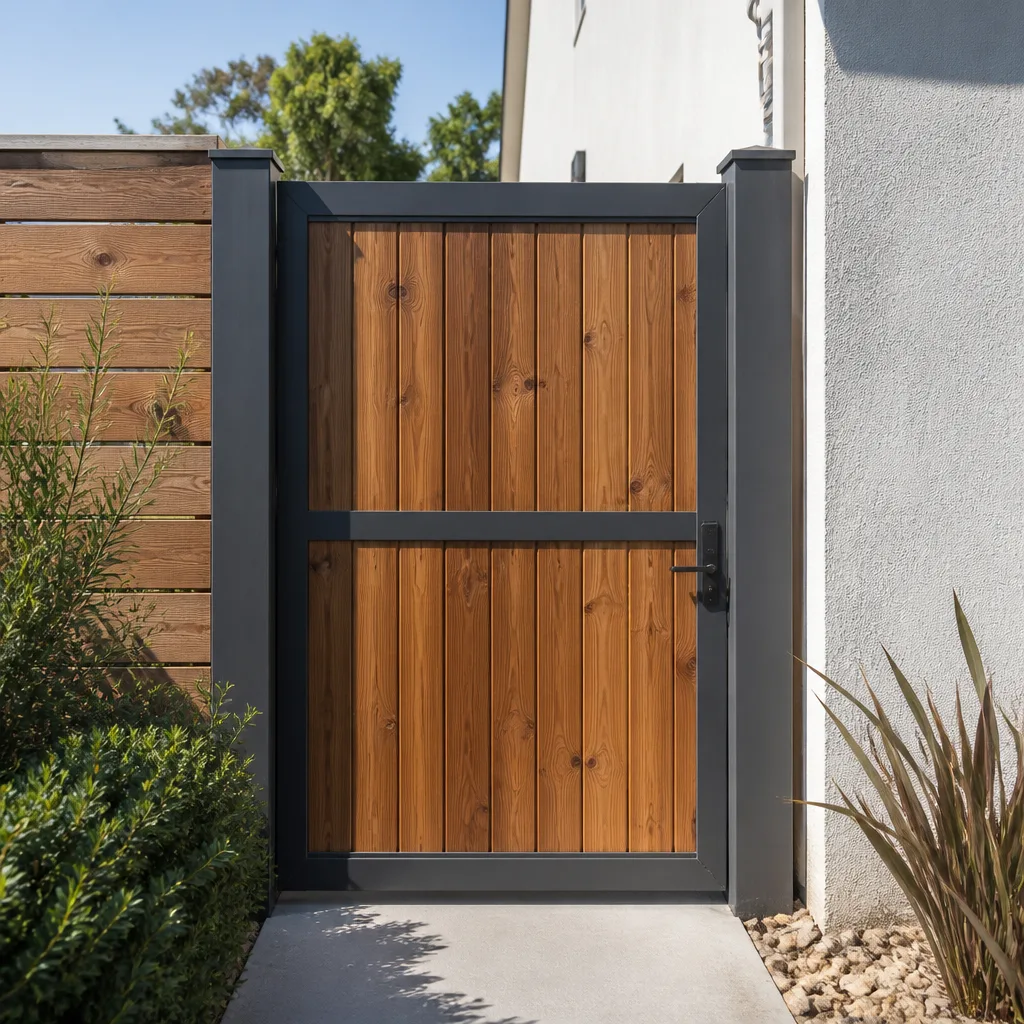 Wood & steel frame
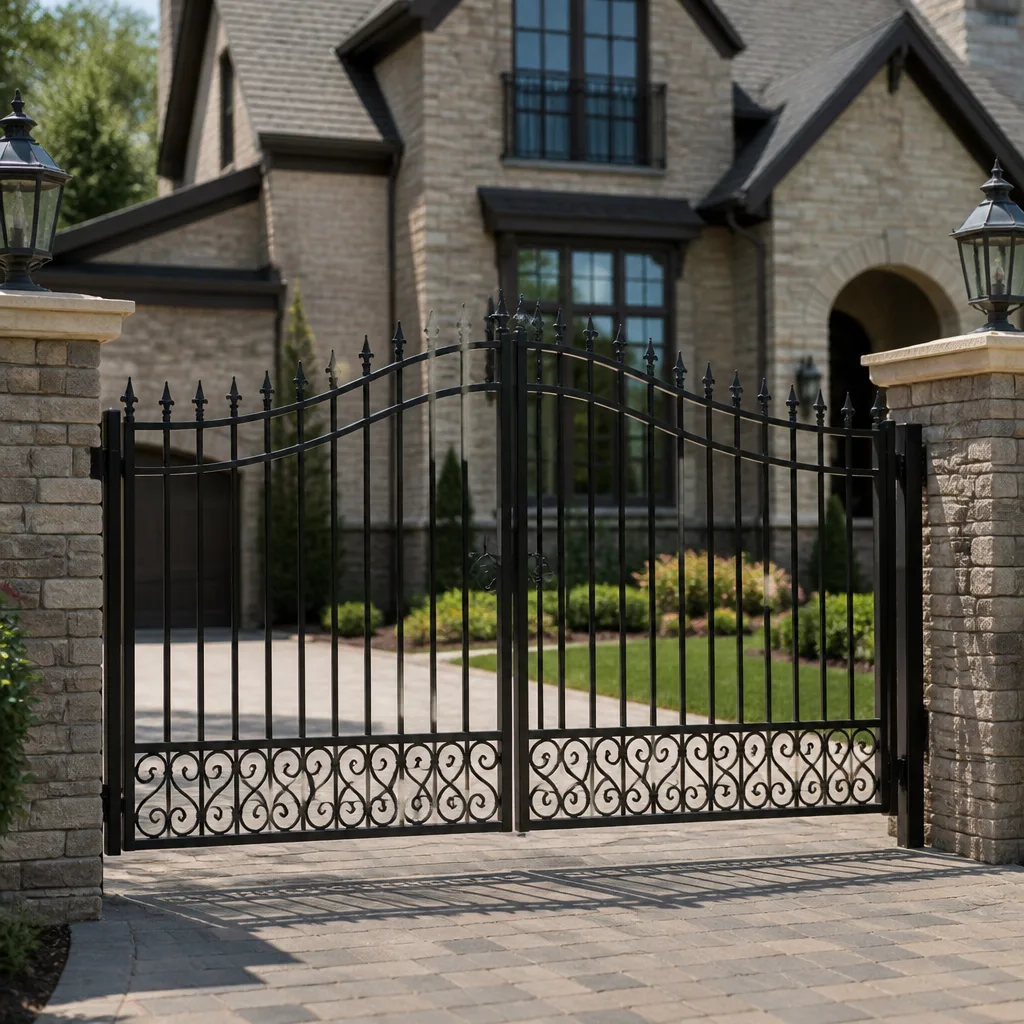 Wrought iron
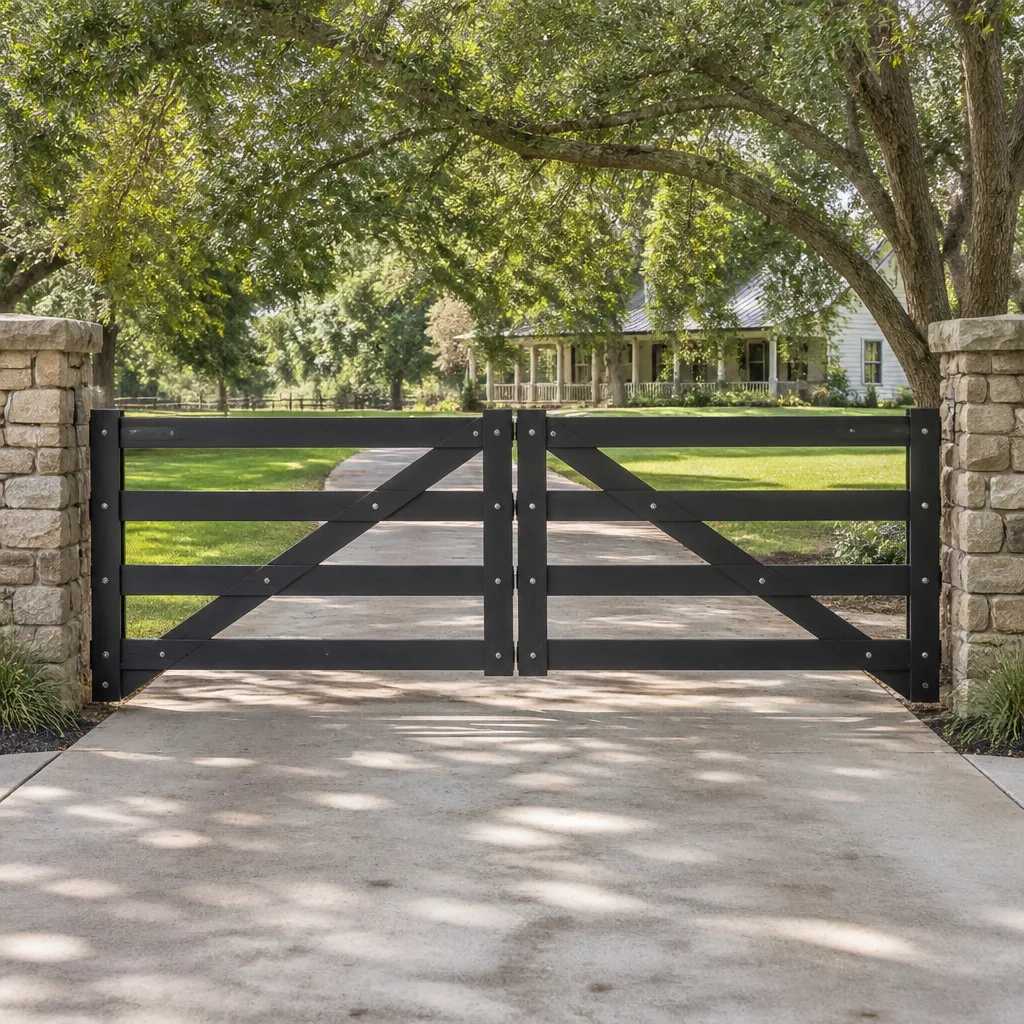 Farm & ranch
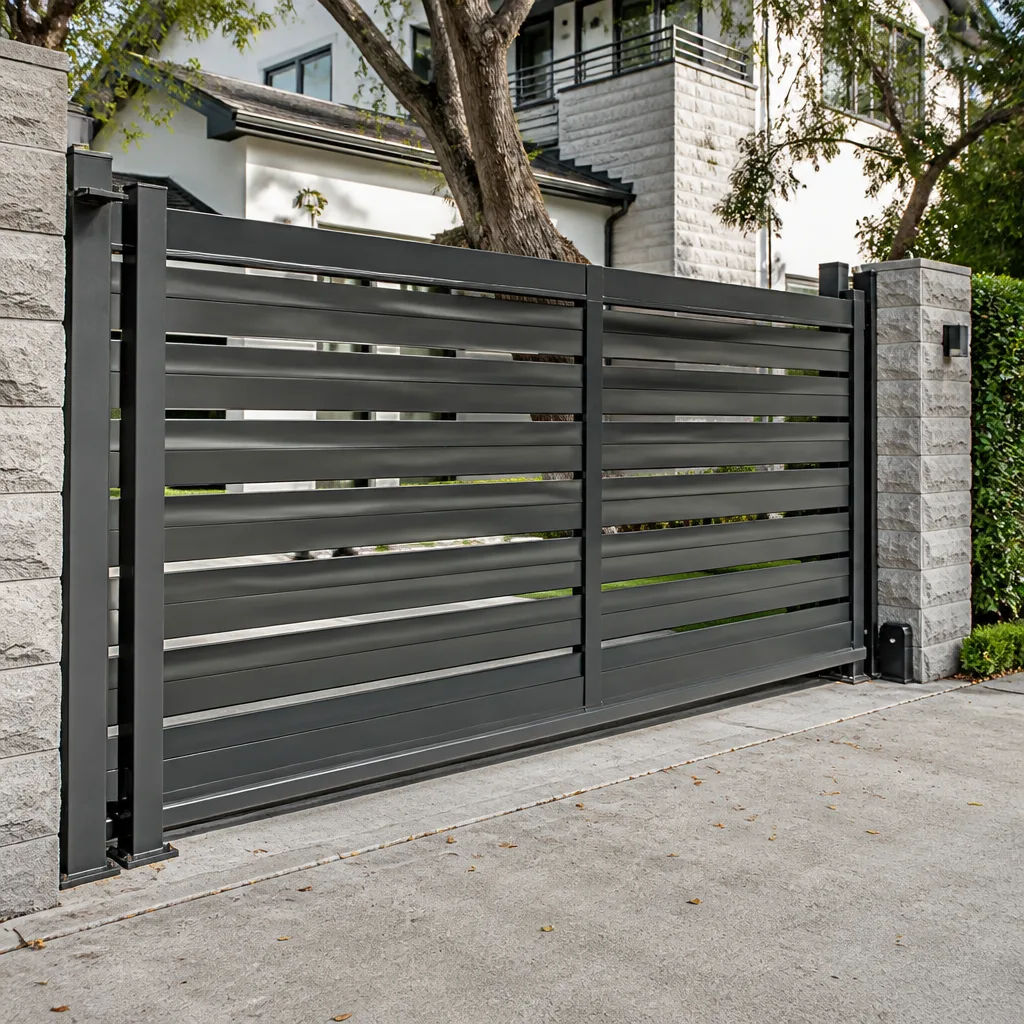 Sliding driveway gates
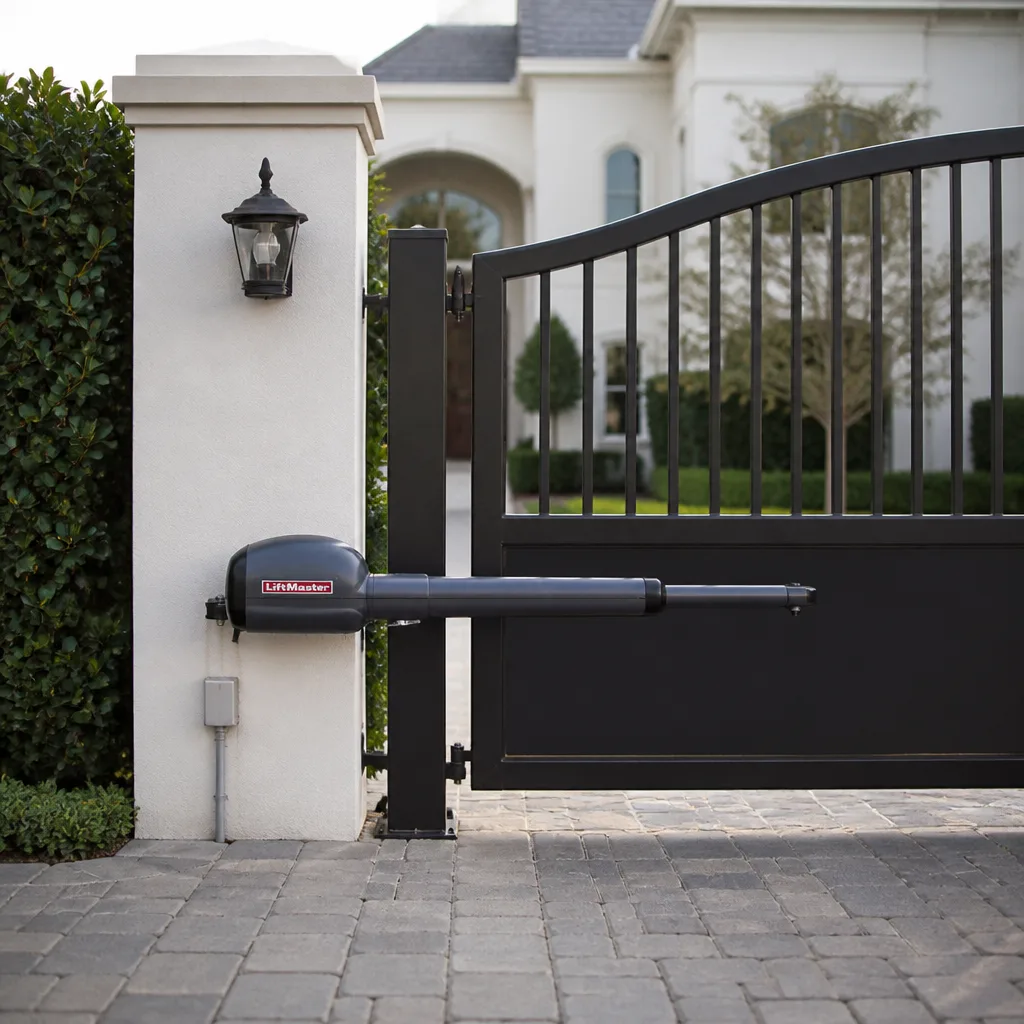 LiftMaster operators
Free on-site gate assessment - hinges, posts, and your LiftMaster or Nice gate operator checked before anything is quoted
The assessment is free and the quote is the invoice.
Get your free estimateChoosing the Right Gate Repair Brand: A Buyer’s Guide for Lakewood
Here’s something most buyers don’t realize until it’s too late: the “best” gate operator brand on a comparison website often becomes the worst choice the moment it breaks and nobody local can fix it. A premium European operator with a five-star rating means nothing when the nearest certified technician is two counties away and the control board has a three-week lead time. This guide will help you understand what actually matters when choosing a gate or operator brand in Lakewood, so you’re not stuck with an expensive paperweight and a security gap. We’ll cover the brands we service regularly, how to match an operator to your actual usage, and why local parts availability should influence your decision more than any online review.
Quick Answer
The right gate repair brand for a Lakewood property depends on three factors: the gate’s weight and cycle frequency, the access control features you need, and whether local technicians actually service that brand. For most Lakewood homes, LiftMaster and Mighty Mule offer the best balance of durability, parts availability, and local service coverage. FAAC and BFT are excellent for heavier or higher-cycle gates but require confirming a technician in the area can service them before you commit. The brand that keeps your gate running is the one with local support, not the one with the highest rating on a website you’ve never heard of.
Styles & brands we work with
- Wrought iron
- Wood & steel frame
- Farm & ranch
- Sliding driveway gates
- LiftMaster operators
Table of Contents
- Brand Breakdown: The Nine Operators We Service
- Duty Cycle: Matching Operator Capacity to Real Usage
- Why Local Parts Availability Matters More Than Product Quality
- Access Control Compatibility: Keypads, Intercoms, and Smartphone Systems
- Switching Brands: What to Check Before Replacing a Failed Operator
- Matching Brands to Gate Types: Slide, Swing, and Overhead
- Lakewood-Specific Factors: Climate, Housing Stock, and Service Coverage
- Common Mistakes to Avoid
Brand Breakdown: The Nine Operators We Service
When you call a gate repair company about a dead operator, the brand on the housing tells us a lot about what we’ll find inside. But here’s what most homeowners never hear: different brands were engineered for different kinds of properties, and using the wrong one shortens its life dramatically. At Waverly Gate Repair, we service nine major brands: LiftMaster, FAAC, BFT, Linear, Viking, Ghost Controls, DoorKing, Elite, and Mighty Mule. Each has clear strengths and clear weaknesses, and knowing them helps you make a smarter purchase or repair decision.
LiftMaster: The Residential Workhorse
LiftMaster is the most common brand we see on Lakewood residential gates, and for good reason. These operators handle typical single-family swing and slide gates well, and replacement parts are among the easiest to source locally. Where LiftMaster excels is in suburban residential use: moderate gate weights, a handful of cycles per day, and straightforward access control like a keypad or a basic intercom. The typical failure points we see are aging control boards, worn limit switches, and capacitor failures on older models. For a standard Lakewood home gate, this is the safest bet.
Mighty Mule: The Budget-Friendly Option
Mighty Mule operators appeal to homeowners who want automation without a $2,000-plus price tag. They’re lightweight, easy to mount, and perfectly adequate for a single gate leaf that doesn’t get heavy daily use. What they’re not ideal for is a commercial property or a gate that cycles 40-plus times a day. The motors and plastic gearing on Mighty Mule units simply aren’t built for that kind of duty. Common failure points include stripped gears, failed transformers, and control board issues from power surges. For a lightly used residential gate in Lakewood, Mighty Mule is a solid value. For anything heavier or busier, step up to LiftMaster or FAAC.
FAAC: The Heavy-Duty European Standard
FAAC builds operators that handle weight and frequency better than most residential brands. These are common on larger estate gates, multi-family properties, and small commercial gates in the Lakewood area. The hydraulic operators in FAAC’s lineup are particularly good for heavy ornamental steel gates that would burn out a Mighty Mule motor in a year. The trade-off is parts availability: some FAAC components have longer lead times in North America than domestic brands, which matters when your gate is stuck open. If you’re buying FAAC, confirm you have a technician who stocks or can quickly source FAAC parts before you commit.
BFT: High Quality, Fewer Technicians
BFT is another European brand with excellent engineering and more limited local service coverage. These operators are common on commercial and multi-unit gates and handle high cycle counts well. The issue is that fewer technicians in the greater Los Angeles area are experienced with BFT control boards, which means troubleshooting and repair can take longer. BFT is a good choice if you’re installing a system from scratch and have a service plan in mind. As a repair brand on an existing gate, it’s worth checking who actually works on BFT units before you inherit one.
Duty Cycle: Matching Operator Capacity to Real Usage
The single most important spec on any gate operator is the duty cycle, and most buyers have never heard of it. Duty cycle tells you how often the operator can run before it needs to cool down. A residential operator rated for 10 cycles per day will fail prematurely if it’s running 50 cycles daily at an apartment building. Conversely, a heavy-duty commercial operator on a single family home gate is overkill, but it will rarely break. Understanding this one spec prevents most premature operator failures.
Here’s how to match duty cycle to actual usage:
- Count your daily cycles. Every open and close counts as one cycle, not a pair. A gate opened twice in the morning and twice in the evening runs four cycles per day.
- Know the three usage categories. Residential operators are typically rated for 10-20 cycles per day. Light commercial units handle 40-60 cycles. Full commercial operators run 100-plus cycles daily.
- Account for peak times. Even if your average is 15 cycles per day, a family with four cars and frequent visitors can hit 40 cycles on a busy day. Size for the peak, not the average.
- Factor in gate weight. A 20-cycle residential operator will struggle with a 600-pound steel gate even at 10 cycles. Weight and duty cycle work together, not independently.
- Ask about the s-factor. This is the operator’s heat dissipation rating. Higher s-factor means the motor can run longer without overheating, which matters for heavy gates and hot afternoons.
For most Lakewood single-family homes, a residential LiftMaster or Mighty Mule rated at 15-20 cycles daily is plenty. If you have a long driveway with frequent traffic or a heavy decorative gate, step up to a light commercial rating. It costs more upfront but outlasts a residential unit by years when the duty cycle is mismatched.
Why Local Parts Availability Matters More Than Product Quality
A gate operator is only as good as the supply chain behind it. We’ve seen homeowners wait three weeks for a control board from a European manufacturer while their gate sat open the entire time. That’s a real security problem, not a convenience issue. Before you choose a brand or buy a home with an existing operator, check how quickly common repair components are available.
Here’s what typically needs replacing on any electric gate over time:
- Control boards: The brain of the operator. Surge damage and age are the usual causes of failure.
- Capacitors and transformers: These fail from heat and power fluctuations, common in Southern California’s inland climate.
- Limit switches: Mechanical wear items that tell the operator when to stop opening or closing.
- Gear sets and belts: Wear components on any mechanical operator, especially heavy gates.
- Remote receivers and keypad modules: Electronics that fail from age or weather exposure.
LiftMaster and Mighty Mule parts are typically available same-week from multiple local suppliers. FAAC and BFT components often come from regional distribution centers with longer lead times. That difference matters when your gate won’t close and you have a security exposure. This is one reason we recommend domestic brands for most Lakewood residential installs unless there’s a specific reason to go European.
Access Control Compatibility: Keypads, Intercoms, and Smartphone Systems
Your operator brand determines how easily you can add or change access control later. Some brands play well with third-party keypads and intercoms. Others lock you into proprietary accessories that cost more and limit your options. This matters more than most buyers realize, because access control is the part of the system you interact with daily.
Here’s how the major brands compare on access control flexibility:
- LiftMaster: Broad compatibility with third-party keypads, intercoms, and smartphone systems. MyQ integration is standard on newer models. This is the easiest brand to integrate.
- Mighty Mule: Works with basic keypads and remotes, but smartphone integration requires add-on modules. Fine for simple residential use, limited for anything more.
- FAAC: Excellent compatibility with commercial access systems and multi-unit intercoms. More complex to configure, so professional installation matters.
- BFT: Strong commercial access control options, but fewer residential-friendly integrations. Best when you’re building a full system, not adding to an existing one.
- DoorKing and Viking: Common on commercial and multi-family gates. Built for telephone entry systems and heavier access control needs.
For most Lakewood homeowners, the question is whether you want a simple keypad or a full smartphone app. If it’s a smartphone app, LiftMaster’s MyQ is the most straightforward. If you’re planning a multi-family gate with call boxes, DoorKing or FAAC gives you more options. The key is deciding your access control needs before you choose an operator, not after.
Switching Brands: What to Check Before Replacing a Failed Operator
When an existing operator fails, you have two choices: replace it with the same brand or switch to a different one. Switching brands is often smart when parts availability or a duty cycle mismatch is the problem, but it’s not always a drop-in swap. Here’s what to check before you commit to a different brand.
Step 1: Confirm the Mounting Pattern
Different brands use different mounting bolt patterns and post configurations. A FAAC operator won’t bolt onto a LiftMaster mount without modification. We sometimes fabricate adapter plates, but it’s cleaner when the new operator’s footprint is compatible.
Step 2: Check Gate Weight and Travel
Your existing gate’s weight and opening arc determine which operators can handle it. We calculate the effective gate weight based on the leaf length and material, then confirm the new operator’s duty cycle and torque ratings meet the need.
Step 3: Assess Wiring and Control Compatibility
Existing wiring often stays, but control board protocols change between brands. Keypads, intercoms, and loop detectors may need adapters or replacement. Some third-party accessories are universal, but many are brand-specific or need interface modules.
Step 4: Evaluate Power Requirements
Operator voltage and amperage differ by brand. A 120V Mighty Mule is a different creature than a 24V FAAC with a separate transformer. Electricians sometimes get involved here, though most gate operators are low-voltage from the technician’s perspective.
Step 5: Get a Written Compatibility Assessment
Before you buy any replacement operator, have an electric gate repair specialist confirm compatibility. This avoids buying a unit that doesn’t fit and then eating a restocking fee. We do this as part of our free estimate process.
Matching Brands to Gate Types: Slide, Swing, and Overhead
Gate type narrows your brand options considerably. Swing gates and slide gates use different operator mechanisms, and overhead gates are a separate category entirely. Here’s how the common gate types in Lakewood align with specific brands.
Swing Gates
Most single-family gates in Lakewood are swing gates with one or two leaves. These work with the widest range of operators. Mighty Mule and LiftMaster handle standard residential swing gates well. Heavier ornamental swing gates benefit from FAAC’s hydraulic operators. For swing gates, the key spec is the operator’s ability to handle the leaf weight and wind load.
Slide Gates
Slide gates are common on commercial properties and larger residential lots. They need operators with more torque and better gear durability. LiftMaster’s slide gate operators are solid for light commercial use. FAAC and BFT handle heavier slide gates and higher cycle counts. Mighty Mule is generally not appropriate for slide gates because the motors aren’t built for sustained lateral load.
Overhead Gates
In the Lakewood area, overhead gates appear mostly on commercial properties, parking structures, and some multi-family developments. These gates operate vertically and use an operator sized for the specific panel weight. LiftMaster makes reliable overhead gate operators in the residential and light commercial range. For heavy overhead gates, a commercial-grade operator with proper s-factor rating is essential. This is one category where buying based on price alone leads to frequent failures.
Lakewood-Specific Factors: Climate, Housing Stock, and Service Coverage
Lakewood sits inland in Los Angeles County, and that makes a difference for gate equipment. Summers get hot here, and heat is the enemy of electronic components. Control boards, capacitors, and transformers all age faster in sustained high temperatures, especially when the operator housing sits in direct sun for hours each afternoon.
The housing stock in Lakewood also shapes gate repair patterns. Many homes in the city date from the mid-century and post-war building boom, which means gates were often added later rather than original construction. That leads to a mix of masonry columns, stucco, and wood fence installations, each presenting different mounting challenges. Older gates on older posts need creative retrofit work that a generalist fencing company won’t get right.
Service coverage matters too. Lakewood is close enough to the Los Angeles basin that multiple gate specialists serve the city, but not all of them carry parts for every brand. When you call for a repair, the question to ask isn’t “Do you fix gates?” but “Do you service my brand and do you stock or locally source its parts?” A specialist who works on nine brands is covering that gap, not hoping the right part shows up eventually.
Common Mistakes to Avoid
- Buying on brand reputation alone. A brand known for commercial excellence might be terrible for a residential gate because the duty cycle and features don’t match. Match the operator to the gate, not to the marketing.
- Ignoring parts lead times. A premium brand with two-week component wait times means a two-week security gap. Check parts availability before you buy or accept an existing operator.
- Choosing the cheapest operator for a heavy gate. A $400 Mighty Mule on a 500-pound ornamental steel gate will strip gears within months. The cost difference between an underpowered operator and the right one is smaller than paying for two replacements.
- Forgetting about the access control. The operator matters, but so does the keypad, intercom, or smartphone module. Some brands lock you into expensive proprietary accessories. Decide your access features first.
- Hiring a generalist instead of a gate specialist. A fencing company that also “does gates” won’t have the diagnostic depth for control board failures or compatibility issues. Gate systems combine mechanical and electronic work, and both sides need expertise.
- Waiting until total failure to replace an aging operator. Operators give warning signs before they die: slower operation, grinding, intermittent failures. Addressing those early costs less than an emergency replacement with your gate stuck open.
- Not asking who will actually service the brand. In Lakewood, some European brands have limited local technician coverage. Before buying, ask whether a local specialist services it and stocks its parts.
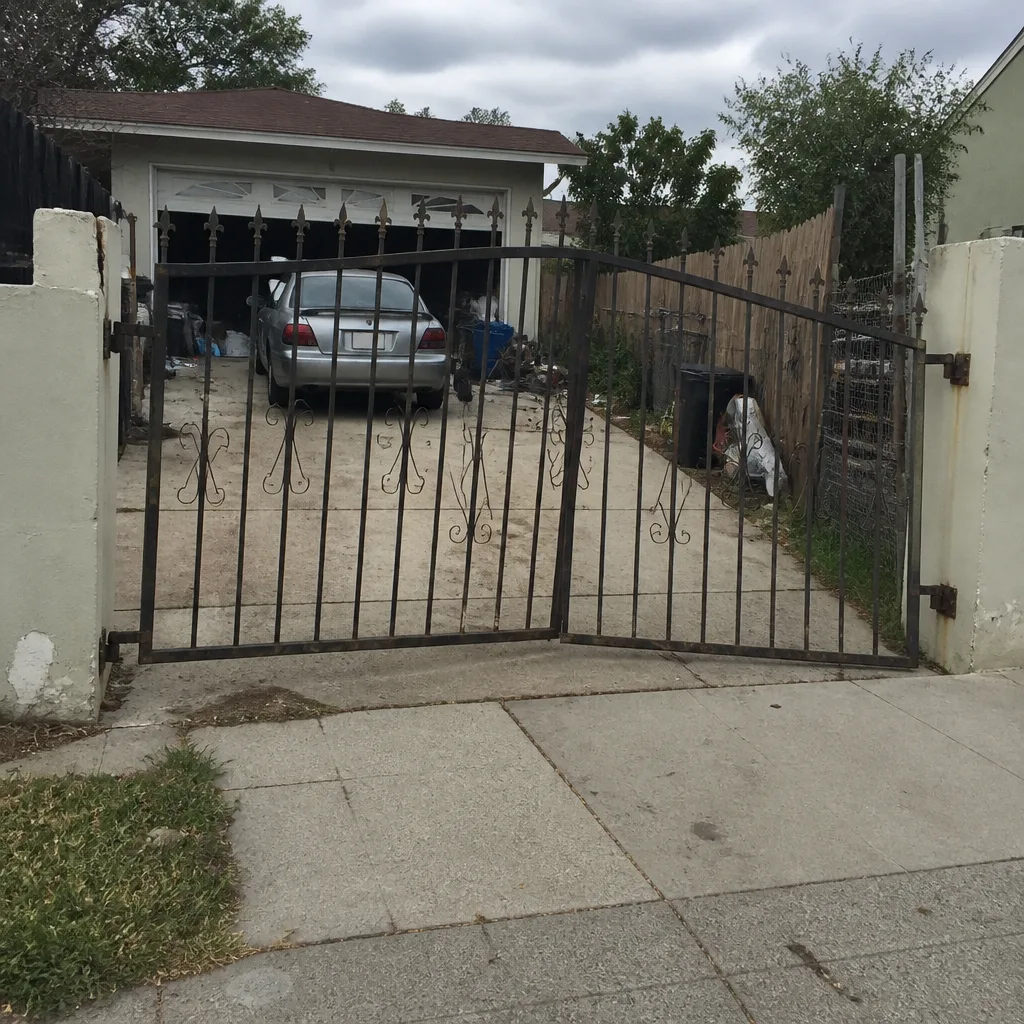
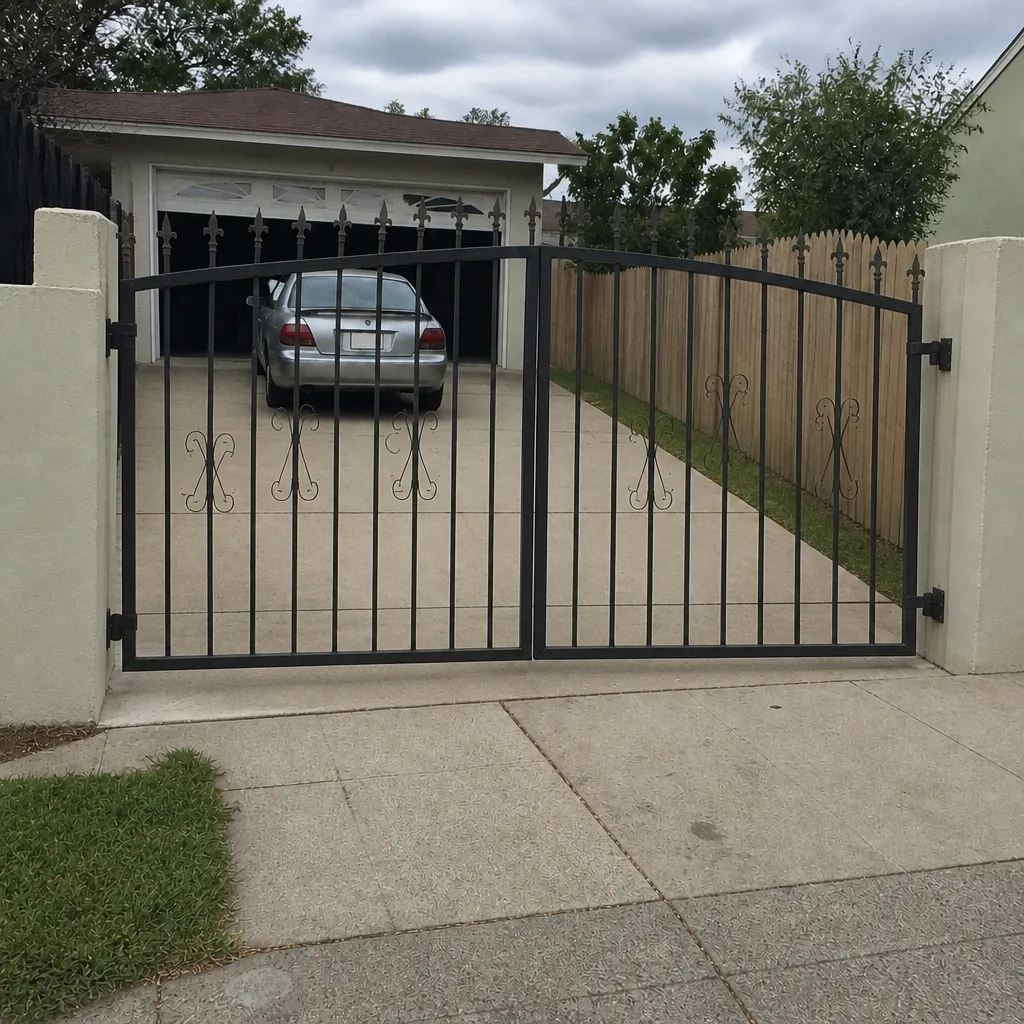
See the difference
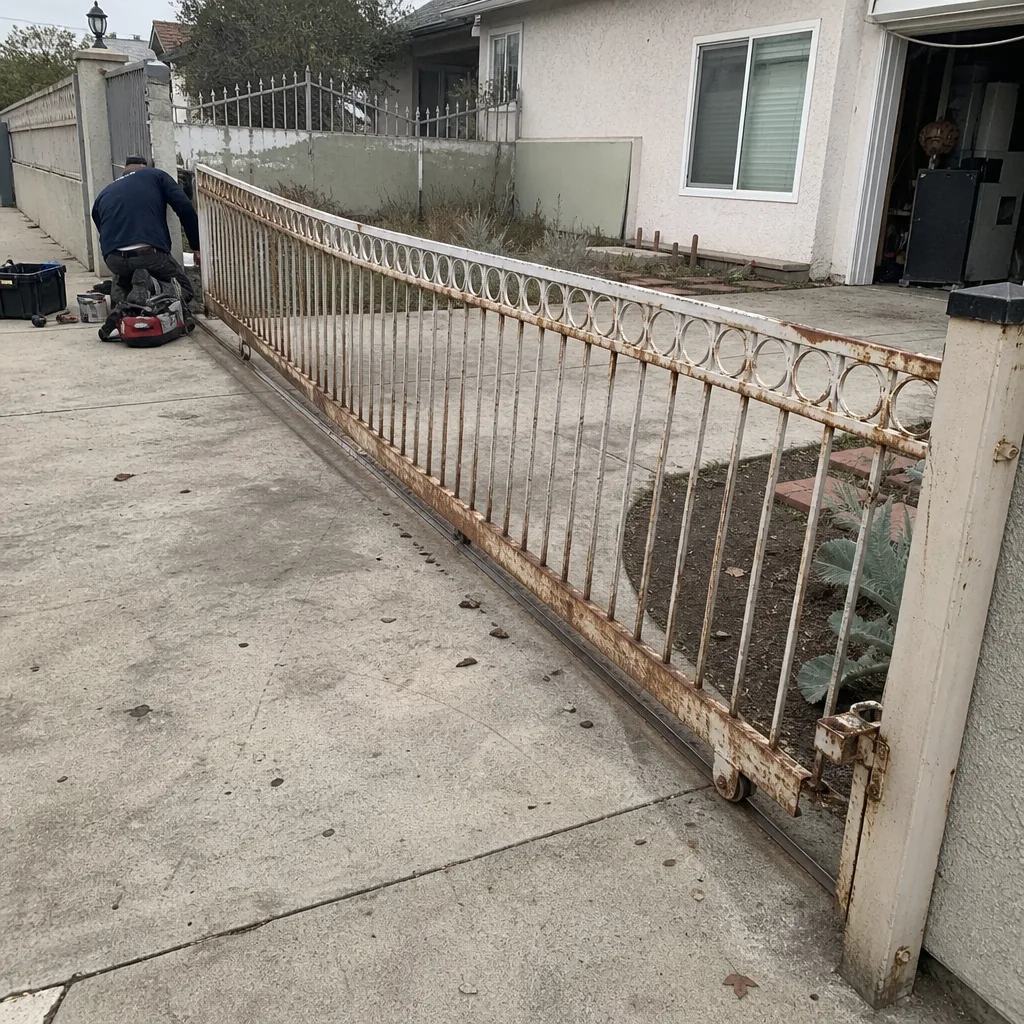 Before
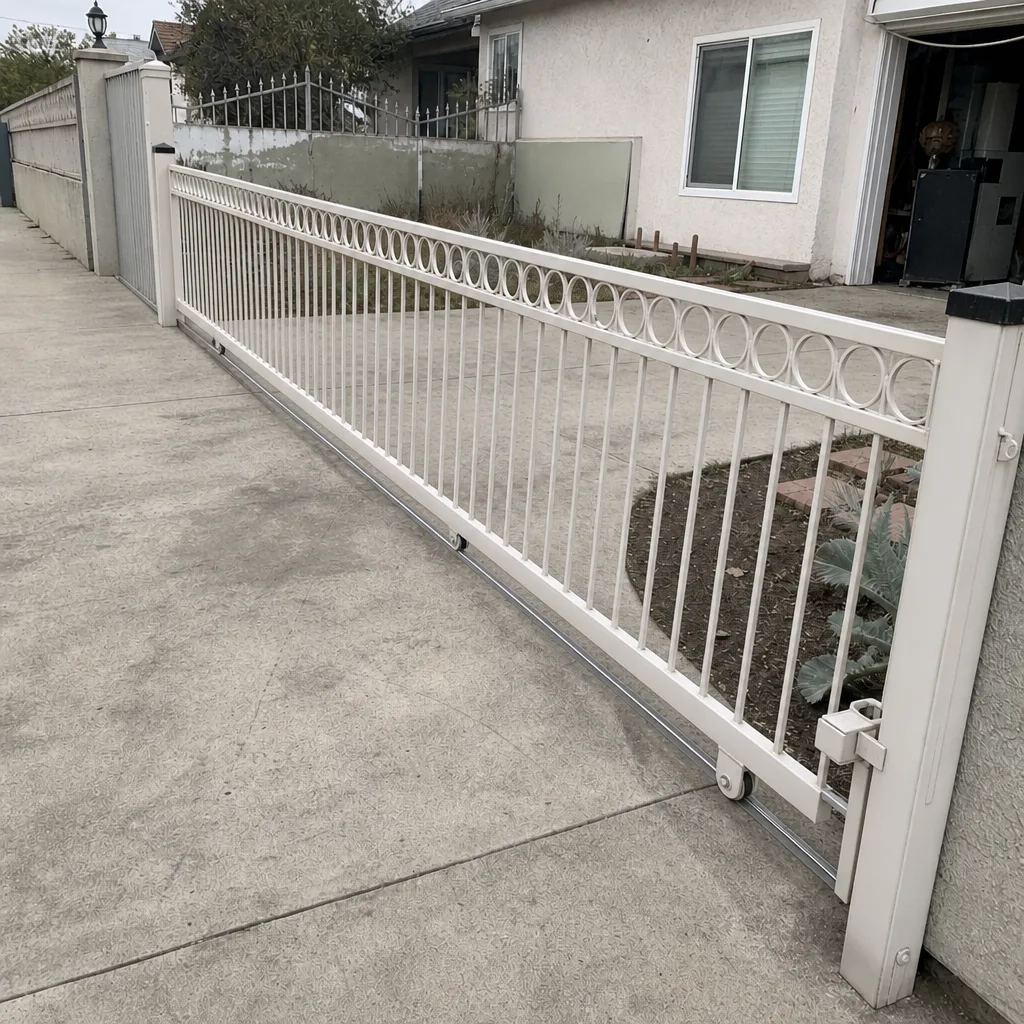 After
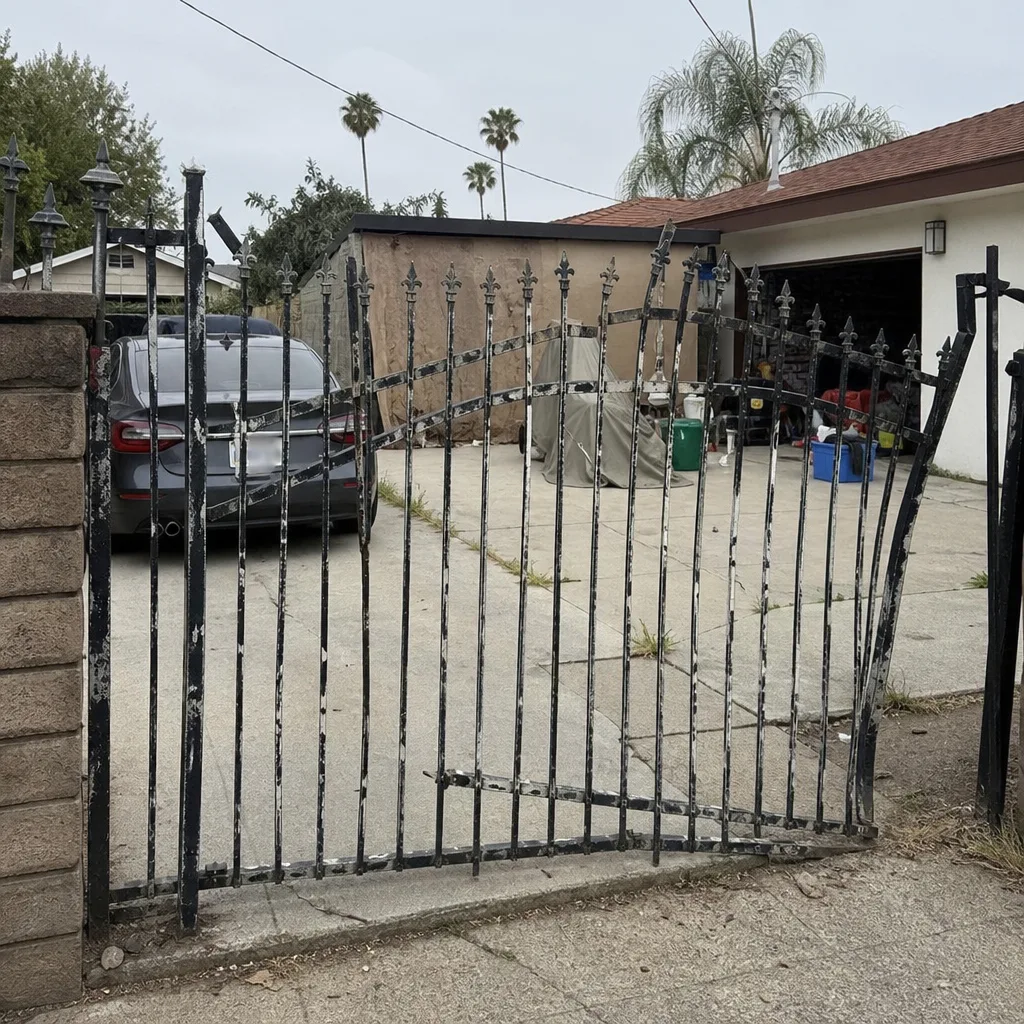 Before
 After
 Before
 After
When to Call a Professional
Some gate issues are safe to check yourself: an obstructed track, a misaligned sensor, or a dead battery in a remote. But the moment the problem involves the operator’s wiring, the control board, or a slide gate that has come off its track, call a professional. Slide gates and heavy swing gates can crush or pin a person when they malfunction, and electric gate systems carry live voltage. The danger isn’t worth the diagnostic adventure. If your gate won’t close, won’t open fully, or makes grinding sounds when it moves, that’s a call to a specialist. Waverly Gate Repair offers free estimates in Lakewood. Call (866) 925-0168. We answer 24/7. Fast dispatch from 7am to 7pm, Sunday through Friday.
Frequently Asked Questions
For most single-family homes in Lakewood, LiftMaster is the best balance of durability, parts availability, and local service coverage. Mighty Mule works for lightly used gates on a budget, and FAAC is the right choice for heavier or higher-cycle gates. The best brand is the one that matches your gate’s weight, your usage frequency, and the access control features you actually need. Call (866) 925-0168 for a free assessment of your specific gate.
Gate operator repair costs vary widely depending on the failure. A capacitor or limit switch replacement runs at the lower end, while a control board replacement costs more. The written estimate sets the final price before any work starts. Call (866) 925-0168 for a free on-site estimate in Lakewood, and we’ll diagnose the specific issue and quote the repair before touching anything.
We service nine major gate and operator brands: LiftMaster, FAAC, BFT, Linear, Viking, Ghost Controls, DoorKing, Elite, and Mighty Mule. If you have one of these operators, we can diagnose and repair it. If you have something else, call (866) 925-0168 and we’ll tell you honestly whether we can work on it. We work on what you already have, not just what we sell.
A gate that won’t close is a security problem as well as an operational one. Check for visible obstructions first, and then stop. Do not attempt to diagnose or repair operator wiring or control boards yourself because live voltage is involved. Call (866) 925-0168. We answer 24/7. Fast dispatch from 7am to 7pm, Sunday through Friday, and we’ll get your gate closed and secure.
Gate operators typically last 8 to 15 years in Lakewood’s inland Southern California climate, depending on the brand, duty cycle, and whether the operator housing gets afternoon sun. Heat ages control boards and capacitors faster, so a unit in direct sun may fail sooner than one shaded by landscaping or a column. Regular inspection catches failing components before they cause a total failure.
Yes, in most cases you can switch brands when replacing a failed operator, but the mounting pattern, wiring, and access control compatibility must all be checked first. Some swaps require adapter plates or new accessories. Have a specialist confirm compatibility before you purchase the new unit. Call (866) 925-0168 for a free compatibility assessment and written quote.
The Bottom Line
The right gate repair brand for a Lakewood property isn’t the one with the highest ratings or the fanciest features. It’s the one that matches your gate’s weight and cycle frequency, integrates with the access control you want, and has local parts and technician support when something fails. For most single-family homes, that’s LiftMaster. For budget-conscious buyers with light gates, Mighty Mule delivers value. For heavy gates or higher cycle counts, FAAC and BFT are strong options if you’ve confirmed local service coverage. Whatever you choose, match the operator to the actual use case, not to a spec sheet comparison. And when something breaks, get a specialist who works on what you have, not someone who only services their own installations.
Written by the team at Waverly Gate Repair, serving Lakewood since 2013.