
Last updated November 4, 2026
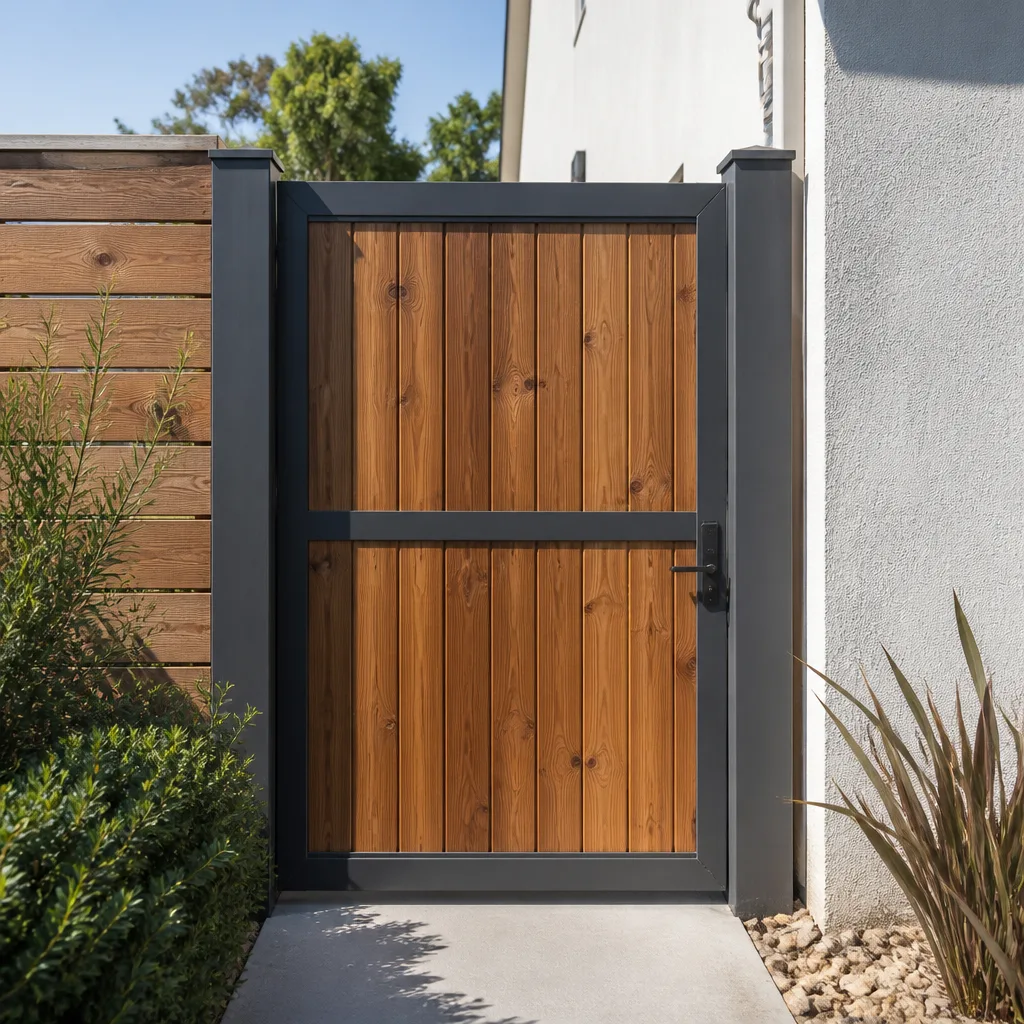 Wood & steel frame
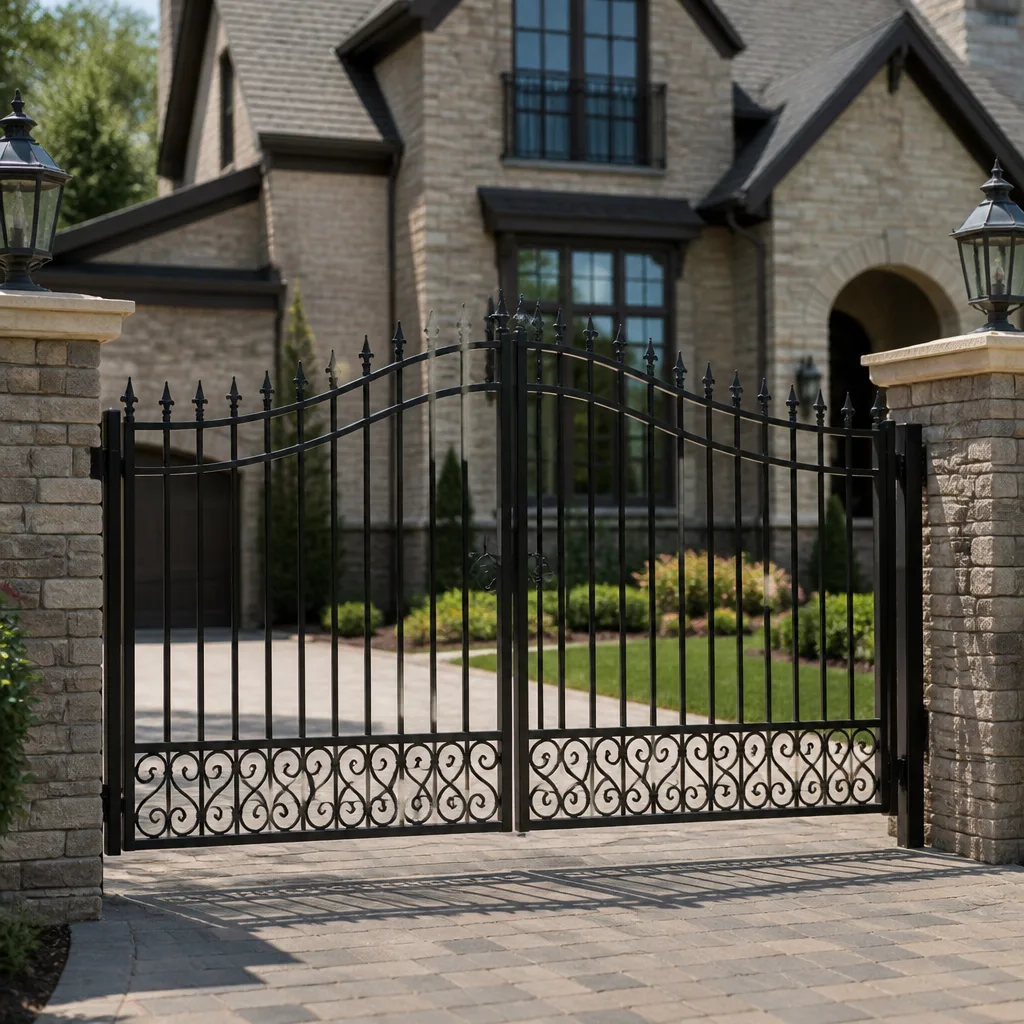 Wrought iron
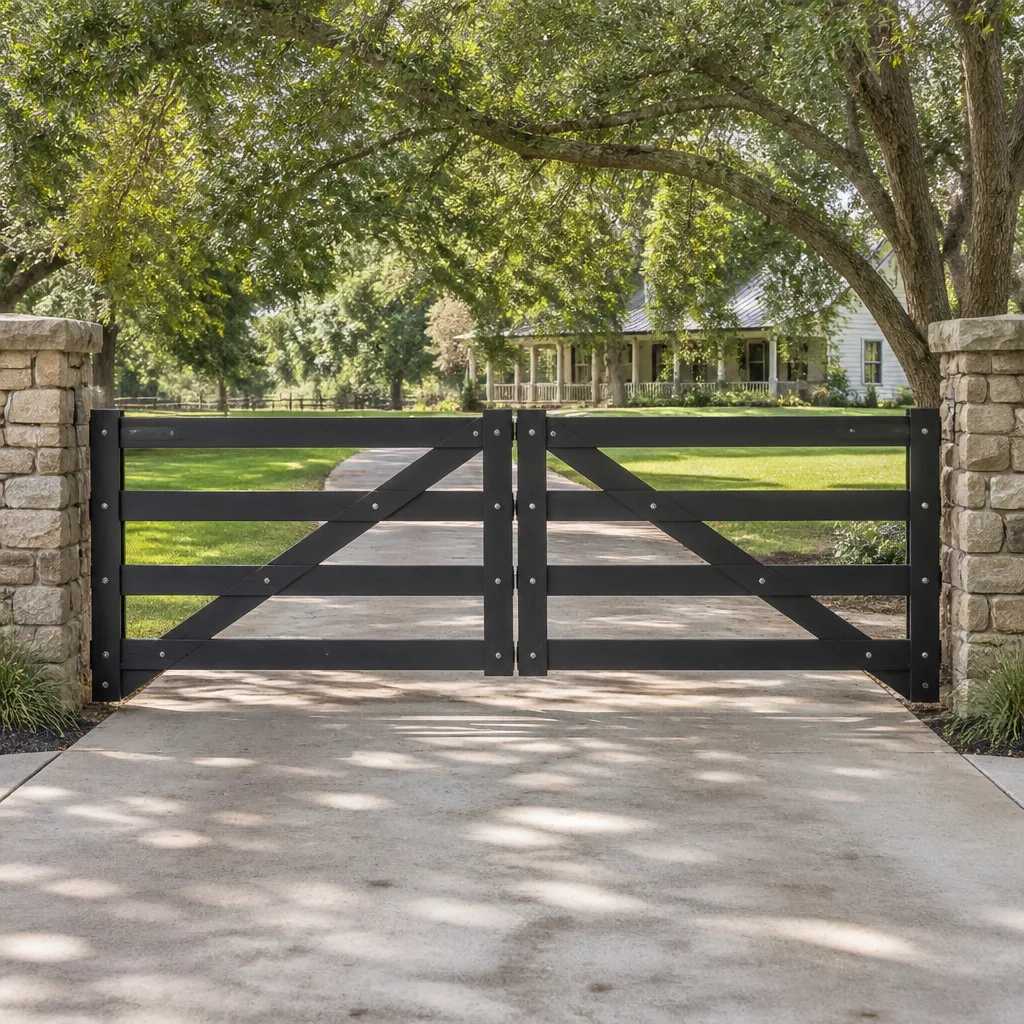 Farm & ranch
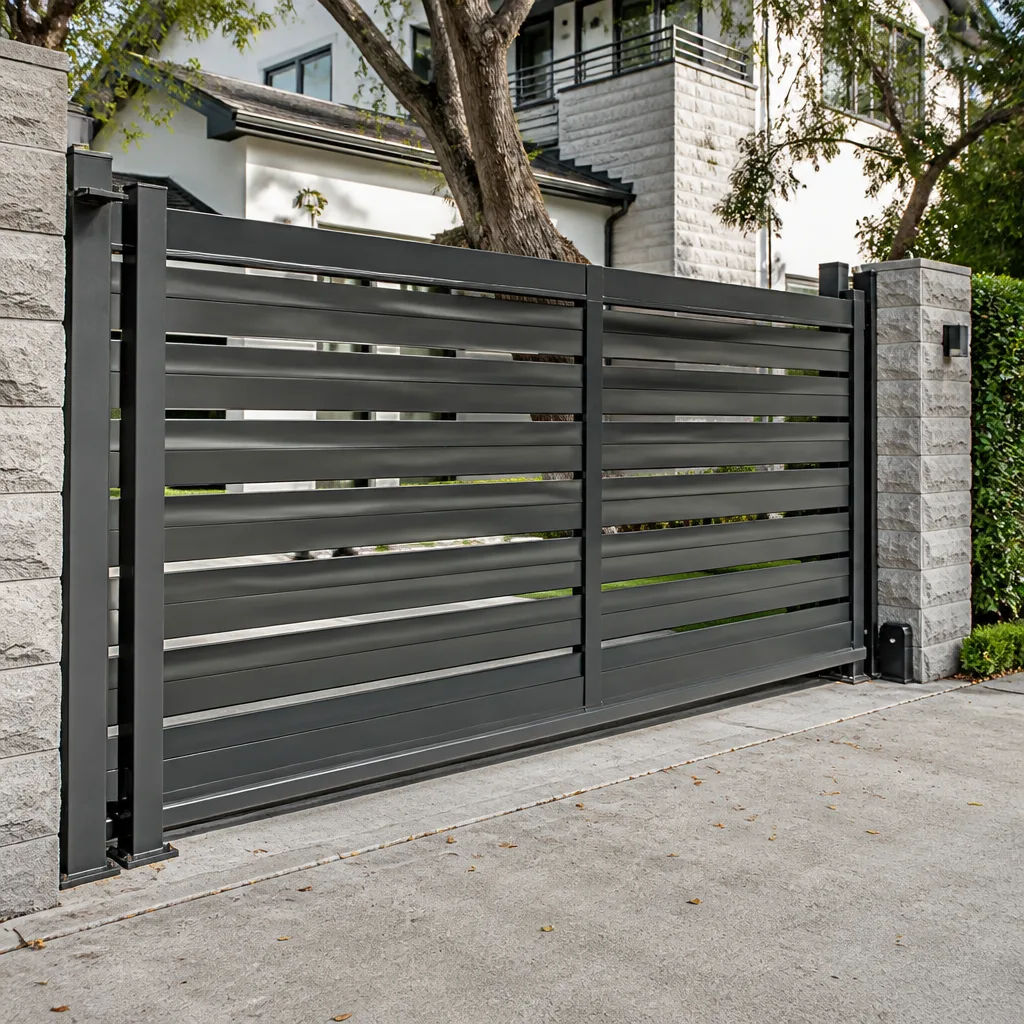 Sliding driveway gates
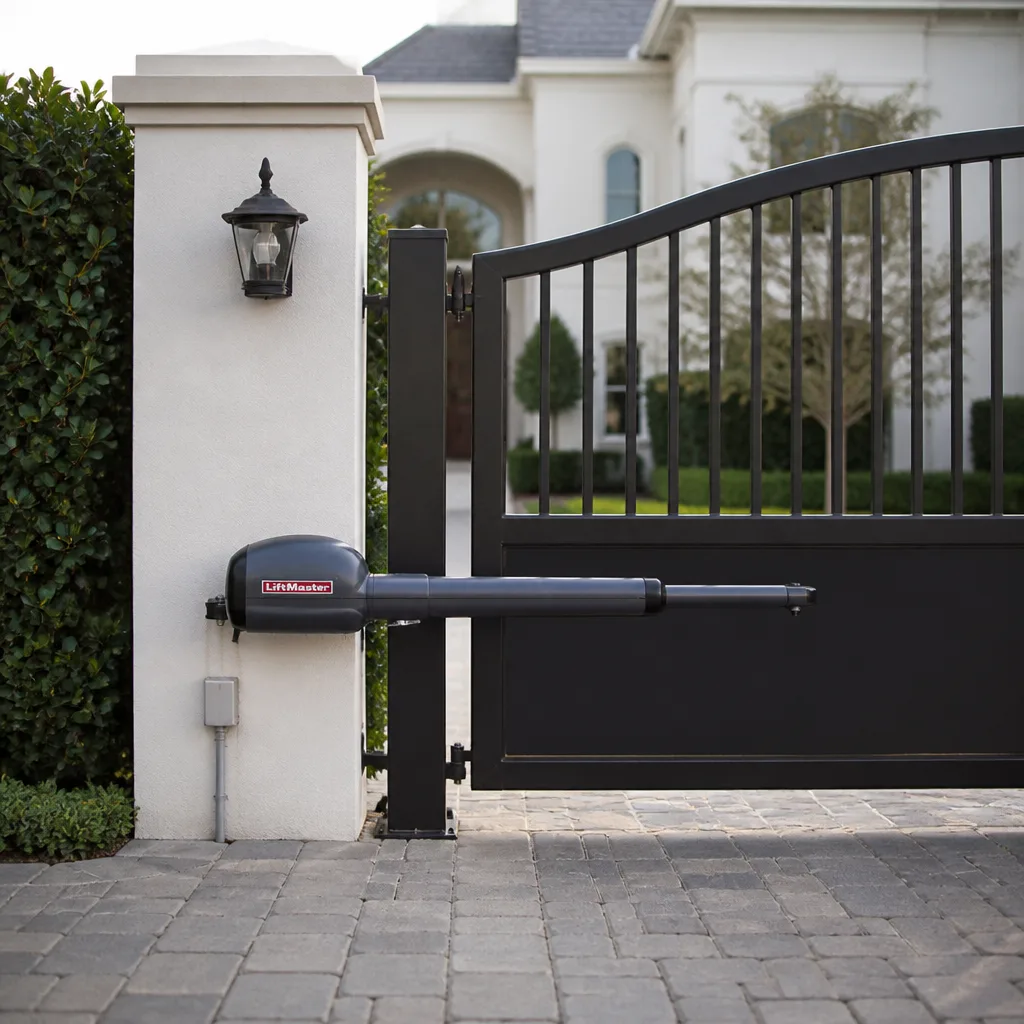 LiftMaster operators
Free on-site gate assessment - hinges, posts, and your LiftMaster or Nice gate operator checked before anything is quoted
The assessment is free and the quote is the invoice.
Get your free estimateThe Complete Guide to Gate Repair in Lakewood
A gate that opens a little slow is not a nuisance. It’s usually the last warning before a motor burns out or a hinge seizes and traps a vehicle in the driveway. Most Lakewood homeowners don’t call for help until the gate stops entirely, and by then the repair is bigger and more expensive than it needed to be. This guide walks through how gate type determines failure mode, what breaks first on different operator brands, and how to tell whether you’re dealing with an operator problem or a gate structure problem. You’ll finish with a clearer picture of what’s wrong, what it takes to fix, and when you need a specialist.
Quick Answer
Gate repair in Lakewood typically starts with identifying whether the failure is mechanical, electrical, or structural. A swing gate that drags points to hinge wear, while a slide gate that shudders usually means roller or track trouble. Electric gates add an operator layer: the motor, control board, safety sensors, and remote receiver. Most repairs fall between $200 and $900 depending on the component, and a written estimate sets the final price before any work starts.
Styles & brands we work with
- Wrought iron
- Wood & steel frame
- Farm & ranch
- Sliding driveway gates
- LiftMaster operators
Table of Contents
- How Gate Type Determines Failure Mode
- What Lakewood’s Climate Does to Gate Hardware
- Brand-Specific Quirks: What Breaks First
- Operator Problem or Gate Structure Problem
- When Repair Is a Band-Aid and Replacement Makes Sense
- What Gate Repair Costs in Lakewood
- Common Mistakes to Avoid
- When to Call a Professional
- Frequently Asked Questions
How Gate Type Determines Failure Mode
Most gate problems in Lakewood trace back to a small set of overlooked failure points, and knowing which system you have determines everything about how it fails and how it gets fixed. A sliding gate and a swing gate fail in fundamentally different ways, and treating them the same leads to wasted money.
A swing gate hangs on hinges and moves through an arc. The points of failure are predictable: hinge bearings wear out, the gate sags, and the latch or operator arm starts binding. If the gate is motorized, the operator arm pulls unevenly on a sagging leaf, which accelerates wear on the operator itself. Homeowners in Lakewood with double-leaf driveway gates often notice one leaf closes before the other. That’s usually hinge sag, not an operator problem, and a technician who opens the panel first is skipping the obvious physical check. A sagging hinge will wreck any operator attached to it.
A slide gate rides on rollers along a track or across a cantilever rail. The failure points here are the wheels, the track alignment, and the drive chain or belt. Dirt and debris collect in the track groove, the rollers flatten over time, and the gate starts to shudder mid-travel. Listen for a rhythmic thumping as the gate moves. That’s a flat-spotted roller. Ignore it long enough and the gate binds, the motor strains, and the limit switch or gearbox fails. Clearing debris and checking roller condition are the first two steps on any slide gate diagnostic.
A manual gate has no operator and fails only on mechanical and structural points: hinges, posts, latches, drop rods, and alignment. A manual gate that no longer latches is often a post that has shifted in the soil. Lakewood’s clay-heavy soil expands and contracts with moisture, and a post set without proper footing can move enough to make the latch miss by a quarter inch. That quarter inch feels like a broken latch. It’s a post problem. A Waverly Gate Repair technician checks post plumb before replacing hardware, because a new latch on a moved post fails again within a year.
An electric gate adds the operator itself: motor, control board, receiver, safety edges or photo eyes, and the wiring that ties them together. Here the failure stack is deeper. The symptom might be a gate that won’t respond to the remote, but the root cause could be a dead receiver board, a failed transformer, a photo eye knocked out of alignment, or a low-voltage wiring fault underground. Electric gates require a technician who understands both the mechanical and the electronics. That’s the difference between replacing a $400 board and spending $900 replacing the board and the motor because the original fault was never found.
What Lakewood’s Climate Does to Gate Hardware
Lakewood sits inland from the coast, and the climate shapes how gate hardware ages. Summers are warm and dry, and the afternoon sun beats directly on south-facing gates and operator boxes. That heat load does two things: it breaks down plastics and insulation, and it cooks control boards inside unventilated operator housings.
UV damage is the silent killer of access control components in this part of Southern California. Keypads fade and crack. Photo eye lenses cloud over. Wire insulation under the gate gets brittle. The control board inside a metal operator box can reach 140 degrees on a hot August afternoon, and solder joints and capacitors age faster than they would in a cooler climate. Homeowners often assume a dead gate is a motor failure when the actual problem is a UV-degraded safety sensor or a heat-stressed board.
Moisture matters too, but in ways specific to Lakewood’s watering patterns. Irrigation overspray onto a slide gate’s track or into an operator box is common. Gate tracks near lawns accumulate wet soil and grass clippings, corroding rollers and chain faster than any rain would. For swing gates, the lower hinge sits near the ground and collects both irrigation moisture and condensation. Rust on the lower hinge is the number one cause of sag on otherwise healthy swing gates.
Dust is a quieter problem. Lakewood’s dry season leaves a fine layer of grit on everything, and gate operators are not sealed units. Dust gets into the gearbox and the limit switch housing. It mixes with grease and becomes an abrasive paste that wears out drive components early. A technician who works on gates in this area sees this pattern constantly: an operator that works fine for two or three years and then fails suddenly, because the inside of the gearbox looks like sandpaper.
The practical takeaway: schedule a visual inspection of your gate hardware at least once a year, even when nothing is broken. Check the track for debris, look for rust on hinges, and make sure the operator housing is not baking in direct sun without ventilation. Small catches here prevent big failures later.
Brand-Specific Quirks: What Breaks First
Different operator brands fail in different ways. A technician who works across multiple brands sees patterns that a single-brand specialist or a generalist handyman misses. We service gate repair across a wide range of systems, and each has its own first-failure point.
LiftMaster operators are generally durable on the mechanical side, but the logic boards are sensitive to power fluctuations. A LiftMaster that works intermittently often has a board that’s failing under thermal load: it works in the morning and quits by afternoon. The motor and gearbox are usually fine. Replacing the board typically restores normal function.
FAAC systems are hydraulic or electro-mechanical depending on the model, and the hydraulic ones need a different diagnostic approach than a pure motor-drive system. Low fluid, a leaking piston seal, or a failing pump can all present as “the gate is slow.” A generalist who doesn’t know FAAC hydraulics will often condemn the whole operator when the fix is a fluid service and seal replacement.
Ghost Controls and Mighty Mule are common on residential gates in Lakewood. These are lighter-duty operators, and what breaks first is usually the limit switch or the remote receiver board. They’re also more vulnerable to power surges. If the gate opens fine from the button but not from any remote, the receiver is the suspect, not the motor. If the gate opens but won’t stop at the right point, the limit switch needs attention.
DoorKing and Elite operators are heavier commercial-grade systems, and their failure patterns are different. These units often run many cycles per day, and the wear shows up in the drive chain, sprockets, and gearbox before the electronics fail. A DoorKing that sounds rough during travel usually needs mechanical service: chain tension, sprocket wear, and roller condition. Skip that and the motor burns out trying to drive a binding chain.
BFT and Linear operators sit in between. BFT boards are generally robust, but their safety input wiring can be finicky: a loose connection on a photo eye circuit makes the gate refuse to close. Linear operators often fail on the capacitor first, especially after years of heat exposure. The gate hums but won’t start. That’s a capacitor replacement, inexpensive and quick, but a homeowner who doesn’t know the symptom might buy a whole new operator.
The point here is not that any brand is bad. It’s that each system has a signature failure, and knowing the signature saves diagnostic time and parts money. We work on what you already have. Whether your LiftMaster operator is failing or your FAAC board needs replacing, a brand-agnostic specialist diagnoses the actual fault instead of selling you whatever brand they happen to carry.
Operator Problem or Gate Structure Problem
This is the most expensive misunderstanding in gate repair, and it happens in Lakewood constantly. The gate won’t open. The homeowner calls someone. The someone replaces the operator. The gate works for six weeks and then fails again, because the operator was never the root cause. The gate structure was binding, and the new operator tore itself apart doing the same job the old one did.
Here’s how to tell the difference before spending money.
Operator problems are electrical or electro-mechanical. The gate clicks but doesn’t move. The remote doesn’t work but the keypad does. The gate opens but won’t close, or closes but won’t open. The operator hums. The operator is dead silent. The gate moves a few inches and stops. These point to the control board, capacitor, limit switch, receiver, or motor.
Gate structure problems are physical. The gate is visibly sagging. The hinges screech. The gate drags on the ground. The track is full of debris. The gate shudders and lurches mid-travel. The gate is hard to push manually, even with the operator disengaged. These point to hinges, rollers, track, posts, or the gate frame itself. An operator failure frequently follows a structure problem, because a binding gate makes the motor work harder until something gives.
The test is simple: disengage the operator and push the gate by hand. If the gate is heavy, binding, or rough to move manually, the structure is the problem and no new operator will fix it. If the gate moves freely by hand but won’t move under power, the operator is the suspect. Write that down. It’s the question every good technician asks first, and it separates a real diagnostic from a parts-changing guess.
We’ve seen operators replaced on gates with completely seized lower hinges. The hinge was the fault. The operator was the victim. Fix the hinge, and the operator’s remaining service life comes back. That’s the difference between a $300 hinge repair and a $1,800 operator replacement.
When Repair Is a Band-Aid and Replacement Makes Sense
Some repairs restore a gate to full function. Others just buy time before a bigger failure. Knowing which situation you’re in changes how you should spend money.
A good repair fixes the actual failure point and leaves the rest of the system healthy. A failed capacitor on a Linear operator is a good repair: the capacitor is a wear part, it’s cheap, and the rest of the operator often has years left. A broken hinge on an otherwise solid swing gate is a good repair. A limit switch replacement on a Ghost Controls unit with a healthy motor and gearbox is a good repair.
A band-aid repair addresses a symptom while the underlying component is already gone. Here’s the pattern: a gate operator is ten years old. The board fails. You replace the board. Three months later the gearbox locks up. A year later the motor burns out. Each repair is individually “successful,” but the operator was at the end of its service life, and the money spent on the board was lost because the gearbox was already dying. In cases like this, a full operator replacement is the smarter financial move: one measured, scheduled installation instead of three or four emergency repair calls.
The same logic applies to gate structures. A gate frame that’s rusted through in multiple spots can be welded and patched, but if the rust is systemic, every patch is temporary. Lakewood’s irrigation patterns mean lower gate frames near lawns rust faster than the rest of the structure. If you can see rust scaling off the bottom rail and the gate sags visibly, a new gate frame may cost less over five years than repeated weld repairs.
How do you know which situation you’re in? Ask the technician two questions. First: what failed, and why did it fail? Second: how much service life is left in the rest of the system? A straight answer to the second question is rare and valuable. Most generalists either don’t know or won’t say. An electric gate repair specialist who works on these systems every day can usually tell you whether you’re buying time or buying a fix.
The rule of thumb: if the operator is under eight years old and has no history of repeat failures, repair it. If it’s over ten years old with multiple component failures in the last two years, replace it. The replacement is not an upsell. It’s the cheaper path over the next three years.
What Gate Repair Costs in Lakewood
Every gate repair is different, and the final price depends on what actually failed, what brand you have, and whether parts are in stock or must be ordered. These are typical ranges for common repairs in the Lakewood area, based on the work we do regularly. The written estimate always sets the final price before work starts.
Typical Gate Repair Costs in Lakewood
- Hinge replacement (single hinge): $150 – $400
- Roller or wheel replacement on a slide gate: $200 – $500
- Track realignment or cleaning: $150 – $350
- Control board replacement: $350 – $900, varies by brand
- Capacitor replacement: $80 – $200
- Limit switch replacement: $120 – $300
- Remote receiver board or programming: $100 – $300
- Safety sensor or photo eye replacement: $150 – $400
- Full operator replacement (parts and labor): $1,200 – $4,500, heavily brand-dependent
These are estimates, not quotes. A DoorKing commercial operator costs more to replace than a residential Mighty Mule unit, and a full operator replacement involves more labor than a board swap. Free estimates are how this should start: a technician visits, diagnoses the failure, and writes a price before any work begins. No surprises on the invoice.
The gap between what people expect to pay and what they actually pay usually comes from misdiagnosis. A homeowner assumes a $200 hinge repair. The technician finds the sagging hinge has already damaged the operator arm. Now the job is $600. That’s not a padded invoice. That’s a cascade failure, and it’s exactly why catching problems early matters. A gate that opens “a little slow” is usually a cheaper fix than a gate that won’t open at all.
Common Mistakes to Avoid
- Ignoring a slow or noisy gate. A gate that drags or shudders is telling you something. The component that’s failing today is cheaper to fix than the motor it will destroy next month.
- Replacing the operator before checking the structure. Disengage the operator and push the gate by hand. If it’s hard to move, a new operator won’t fix it. The gate itself is the problem.
- Calling a generalist who doesn’t know gate operators. Gate systems combine mechanical hardware with electronic control. A handyman who fixes fences won’t diagnose a failing FAAC hydraulic pump or a heat-stressed LiftMaster board.
- Waiting until the gate traps a vehicle. Gates fail at the worst times, and a gate that stops outright is a harder day than one caught early. If the gate is showing warning signs, address it before it stops.
- Treating all operator brands as the same. A Ghost Controls failure is different from a DoorKing failure. The brand matters for parts, diagnostics, and whether repair beats replacement.
- Skipping the annual visual check. Debris in the track, rust on hinges, a hot operator box. These are free to find and cheap to fix. They’re expensive to ignore.
- Buying parts without knowing the actual fault. We’ve seen homeowners buy a new remote when the receiver was dead, or a new motor when the capacitor had failed. The part doesn’t fix anything, and now it can’t be returned because it was installed.
When to Call a Professional
Call a professional when the gate is binding, sagging, or screeching. Call when the operator clicks but won’t move, when the remote works intermittently, or when the gate reverses for no reason. Call when the gate won’t close all the way, because a gate that’s left open is a security hole for your property. Call when the system has been repaired twice in twelve months and something else just failed, because that pattern says replacement is coming. Call when the gate has hit a vehicle, a person, or a pet: safety sensor issues are not negotiable, and they need to be addressed immediately. And call when you’re simply not sure what you’re looking at. A quick on-site estimate answers the question without any obligation. Waverly Gate Repair offers free estimates in Lakewood. Call (866) 925-0168. We answer 24/7. Fast dispatch from 7am to 7pm.
Frequently Asked Questions
Most gate repairs in Lakewood fall between $200 and $900 depending on the failed component. Hinge and roller work sits on the lower end, control boards and operator replacements on the higher end, and a written estimate sets the exact price before work begins. Call (866) 925-0168 for a free estimate. We answer 24/7. Fast dispatch from 7am to 7pm, Sunday through Friday.
Same-day service is available for many common repairs, and dispatch runs from 7am to 7pm, Sunday through Friday. A call outside dispatch hours is booked into the next opening. Call (866) 925-0168. We answer 24/7.
Yes. Grinding from a slide gate usually means worn rollers or debris in the track, and grinding from a swing gate points to hinge wear. Both are progressive problems that damage the operator if left alone. A technician should check it before the gate binds completely.
Most cities require a permit for gate installation, especially for automated gates with operators, and Lakewood homeowners should check with the city’s building department before starting work. A contractor who handles permits is worth the call, but the city’s requirements are the authority.
Yes. We work on what you already have, regardless of who installed it. Our experience covers nine major gate and operator brands, including LiftMaster, FAAC, BFT, Linear, Viking, Ghost Controls, DoorKing, Elite, and Mighty Mule, so a brand-specific dead end is rare.
Residential gate operators in Lakewood typically last seven to twelve years, depending on brand, usage, and sun exposure. Units in direct afternoon sun run hotter and fail earlier. A well-maintained system on the shadier side of the property can outlast that range by several years.
The Bottom Line
Most gate failures in Lakewood are predictable, and ignoring the early signs costs more than fixing them early. Gate type determines how the system fails. Lakewood’s heat and irrigation patterns determine what wears out first. The operator brand tells you which component is likely to fail. And the single most important test is push-the-gate-by-hand: structure problems and operator problems are different animals, and confusing them wastes money. If the gate is slow, noisy, sagging, or intermittent, get it checked. The price of a diagnostic visit is nothing compared to the cost of a full operator replacement on a gate that was trying to tell you something for six months. Waverly Gate Repair serves residential and commercial customers throughout Lakewood and the surrounding area. Your gate, our only focus. Call (866) 925-0168 for a free estimate. We answer 24/7. Fast dispatch from 7am to 7pm, Sunday through Friday.
Written by the team at Waverly Gate Repair, serving Lakewood since 2013.
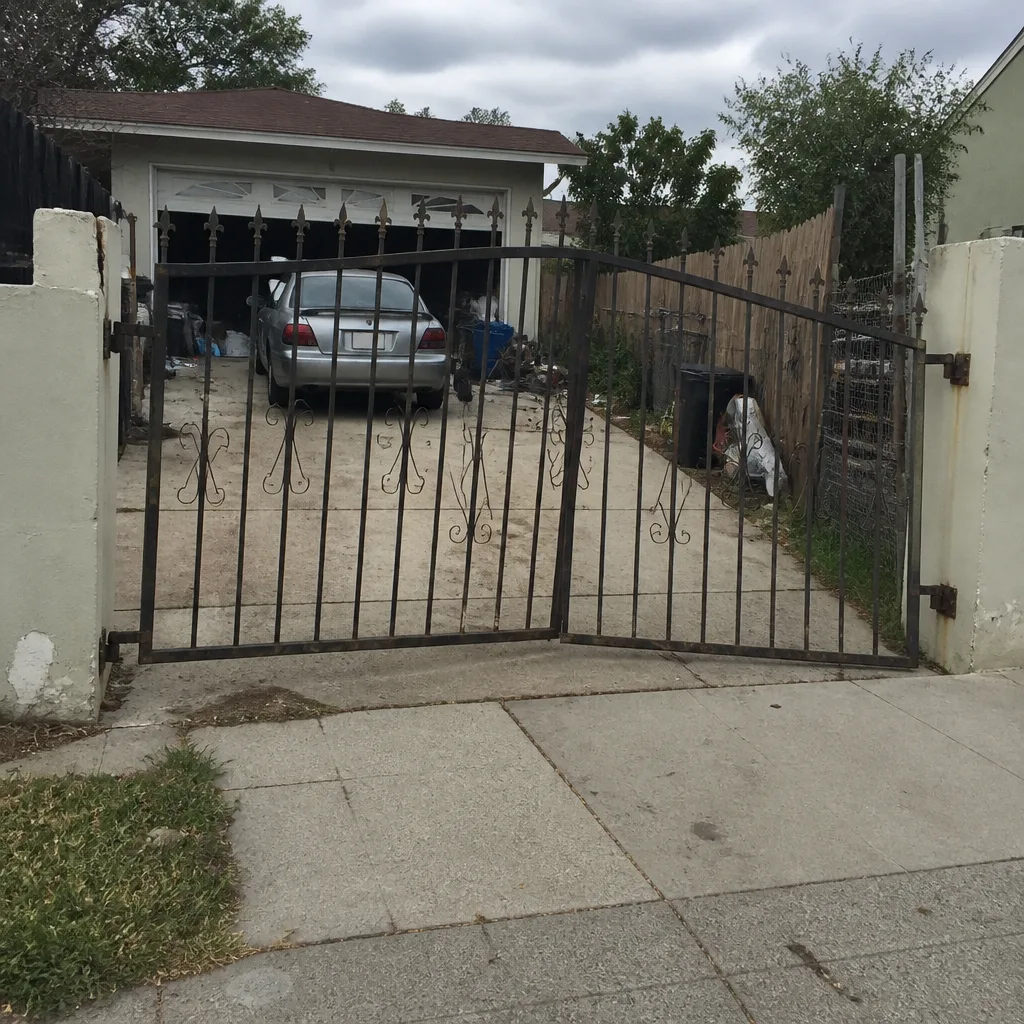
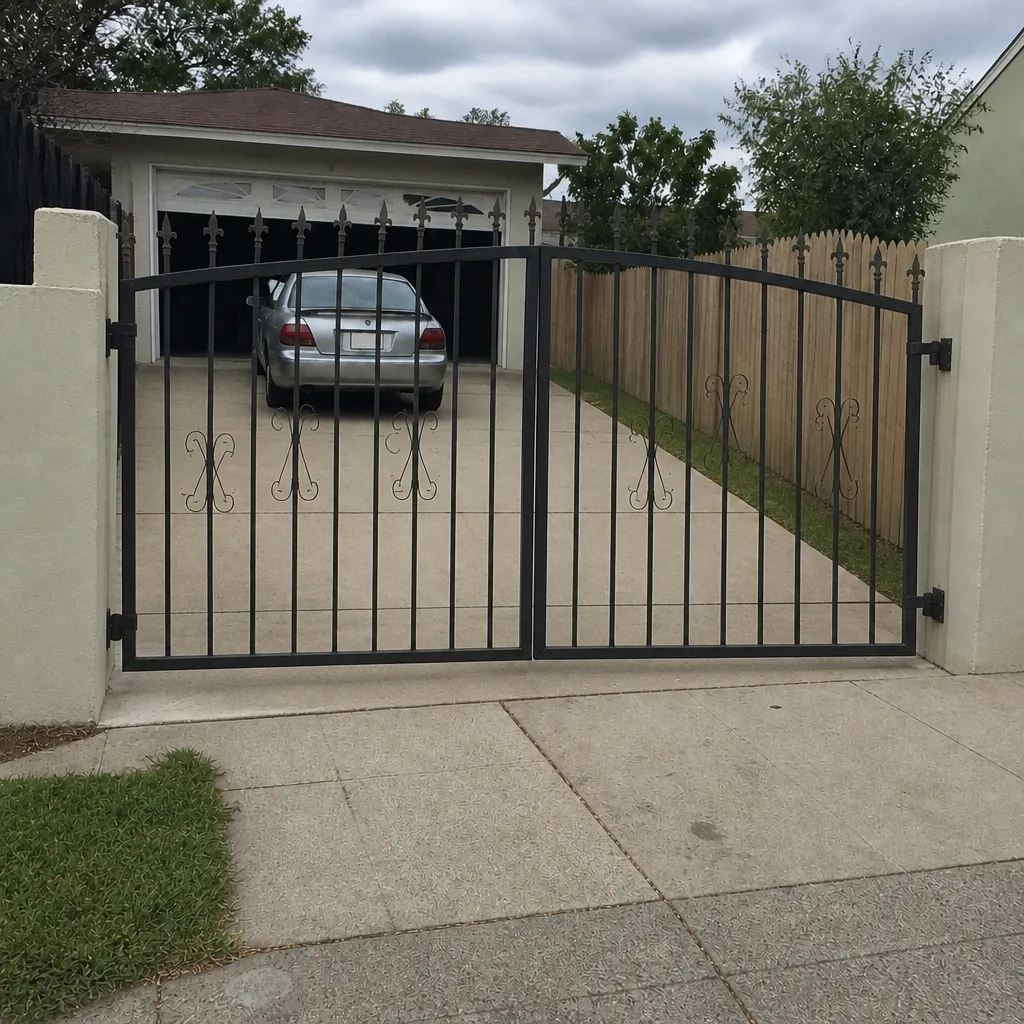
See the difference
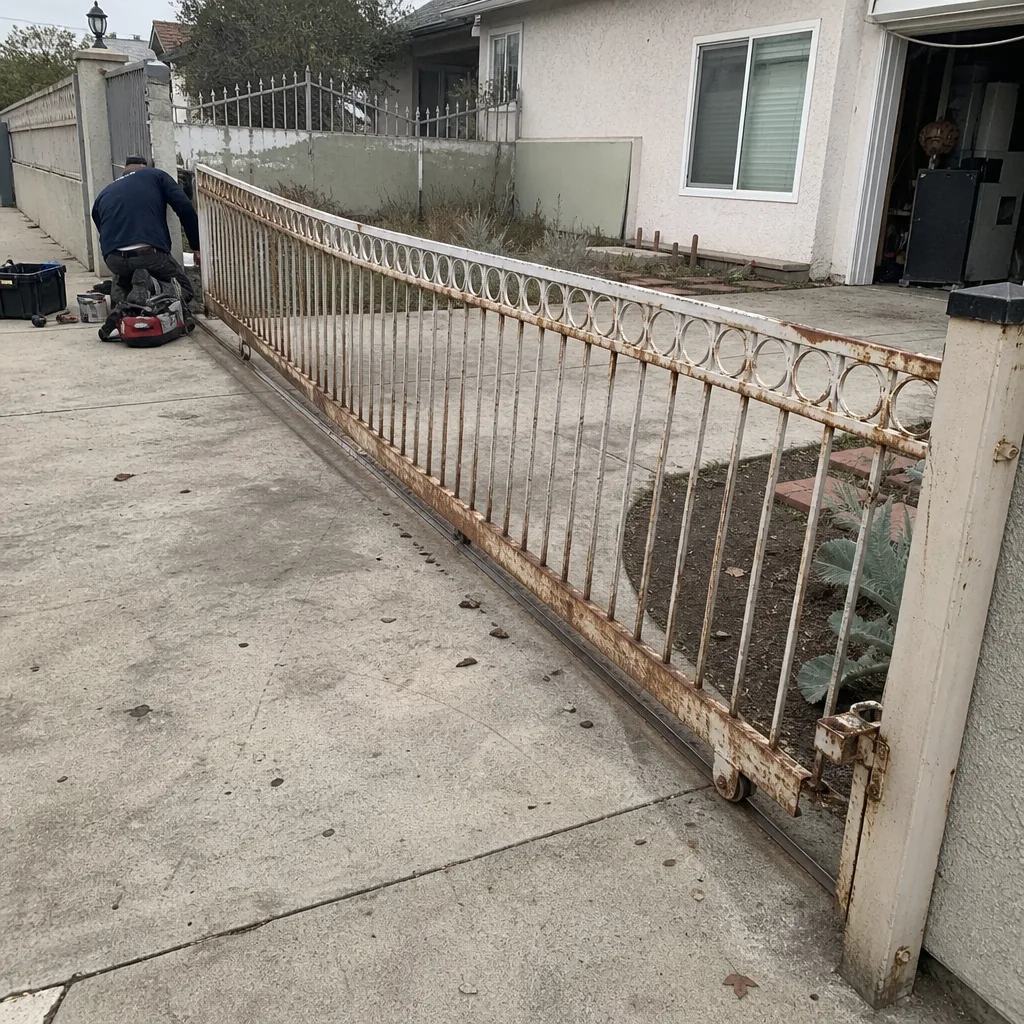 Before
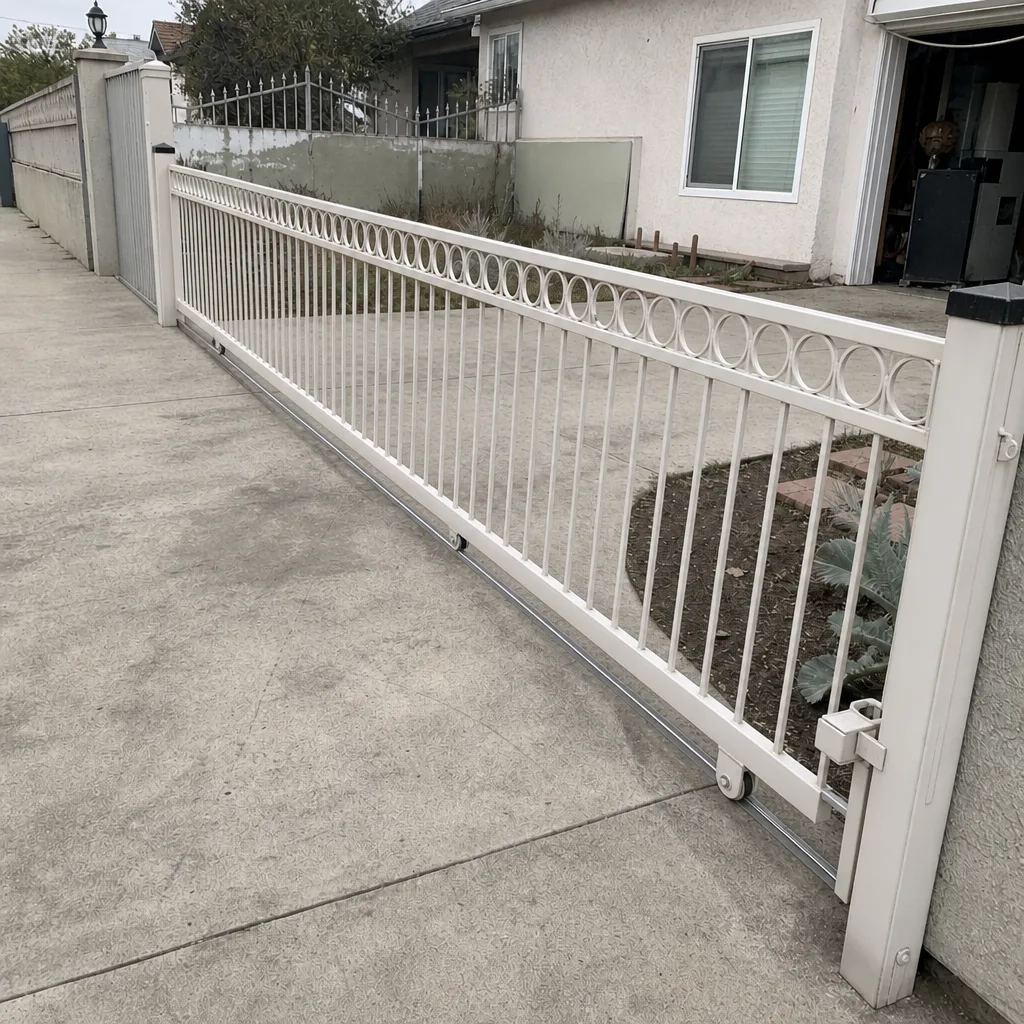 After
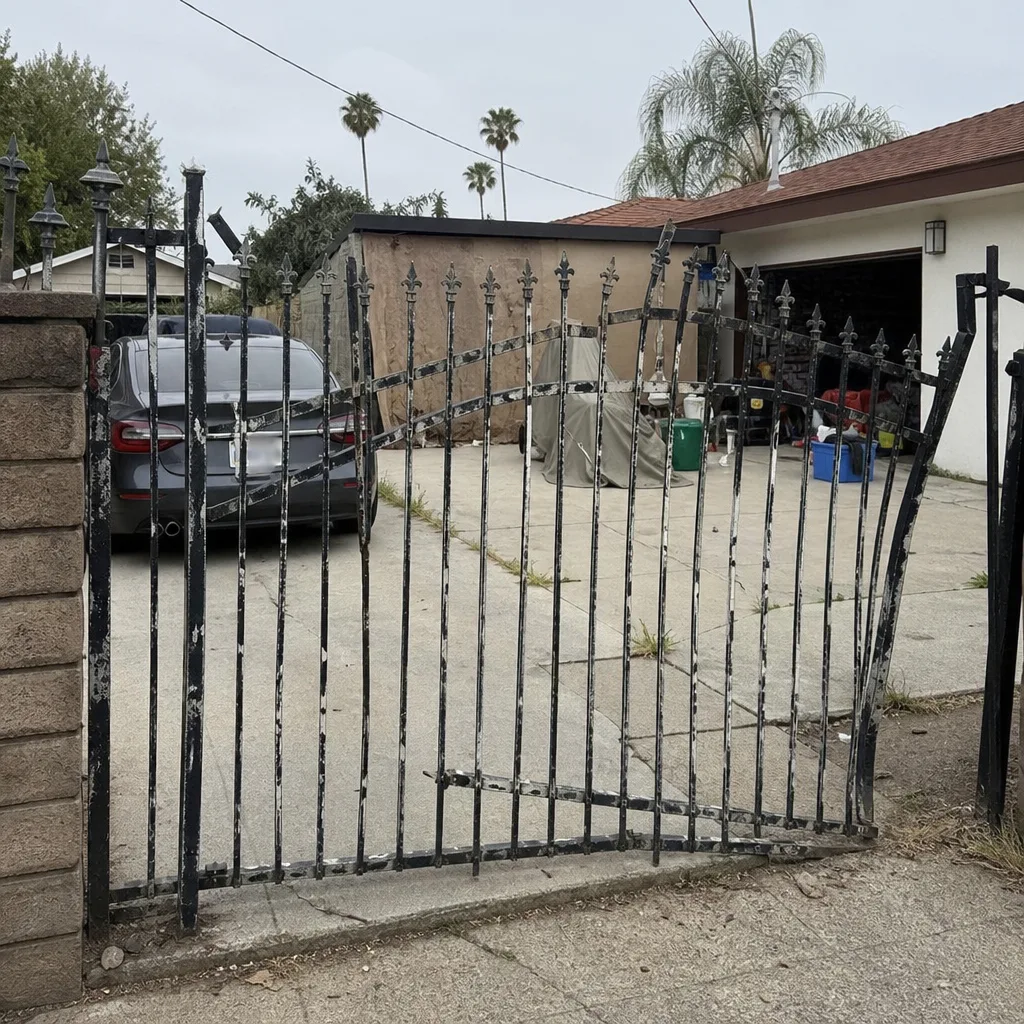 Before
 After
 Before
 After