
Last updated November 4, 2026
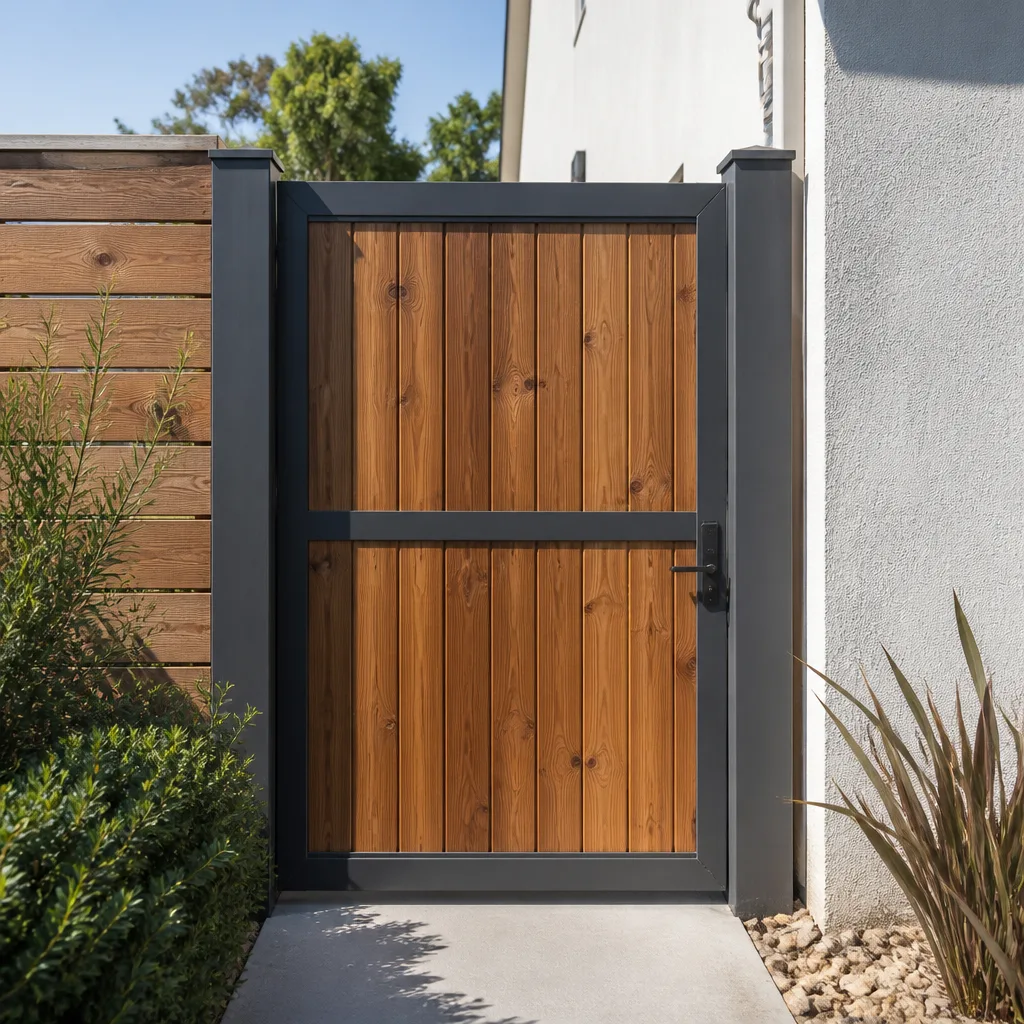 Wood & steel frame
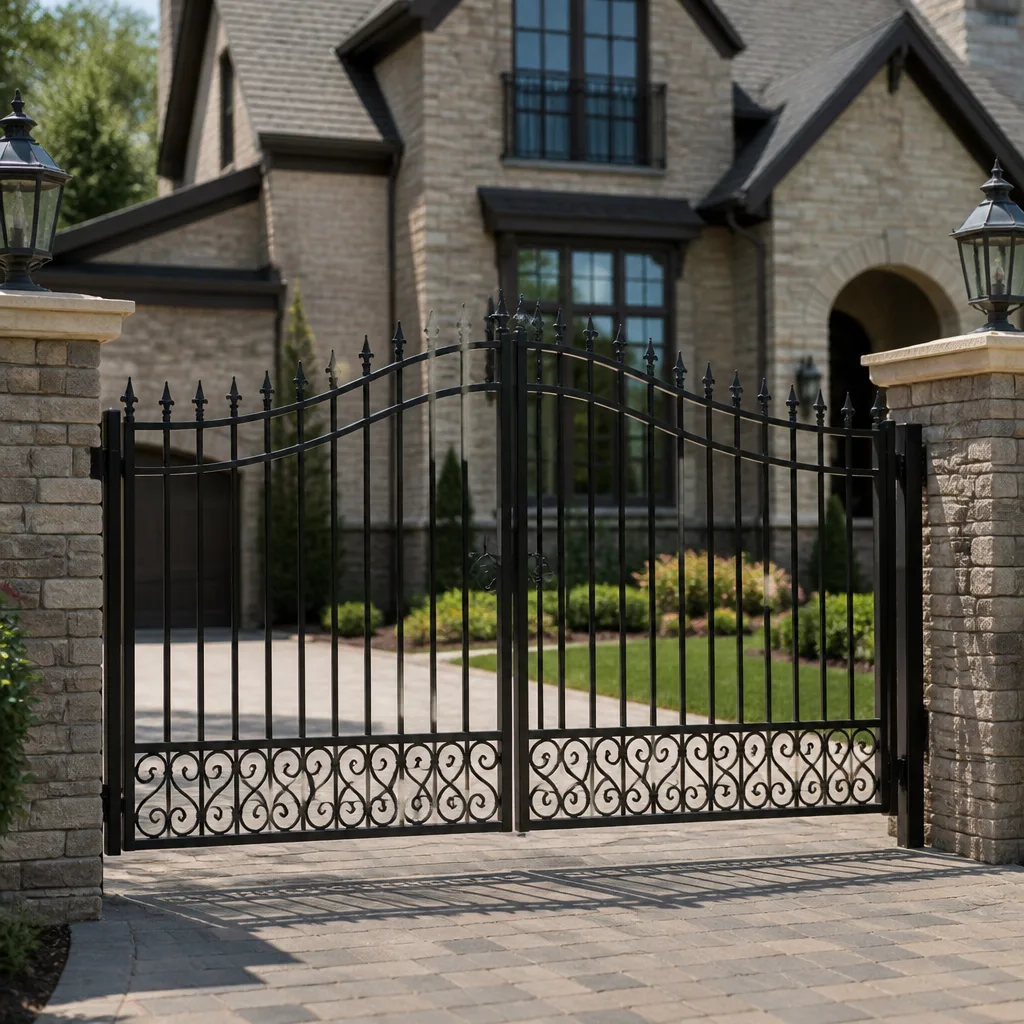 Wrought iron
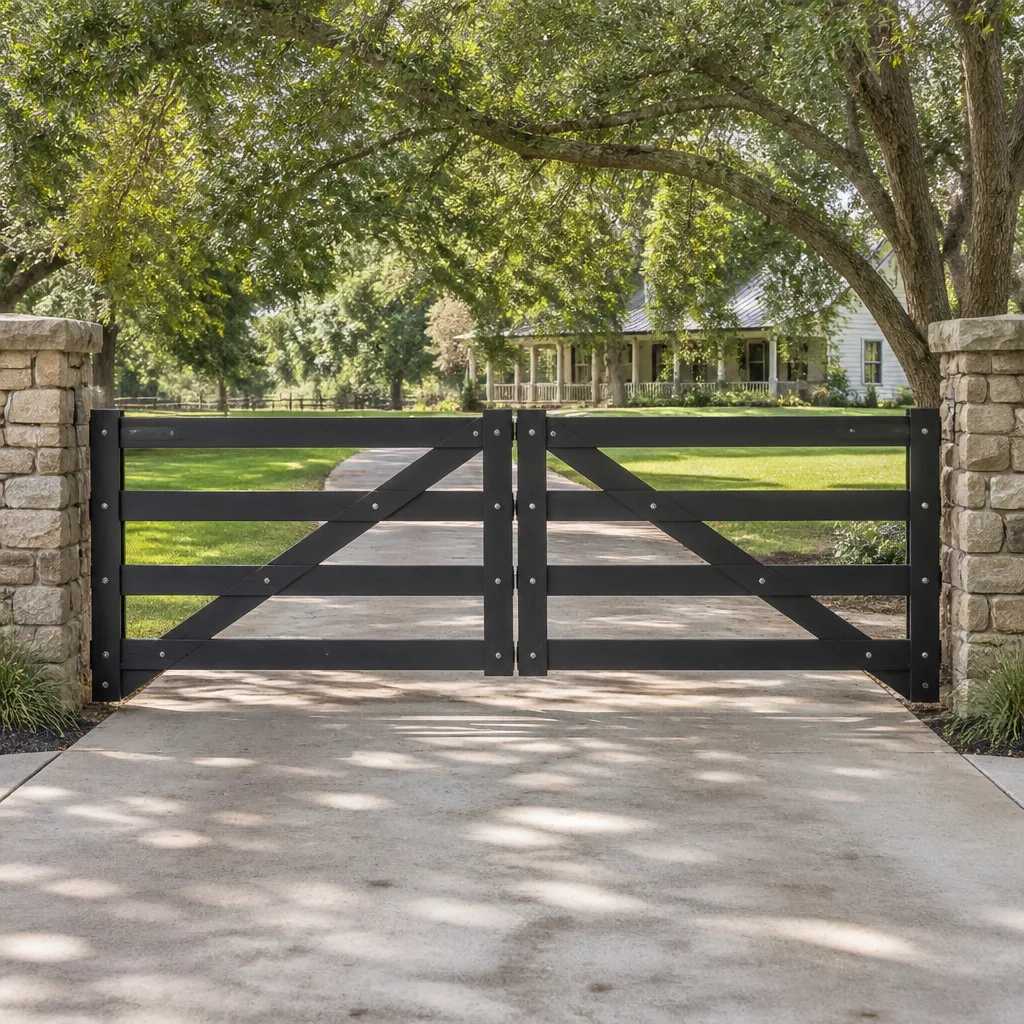 Farm & ranch
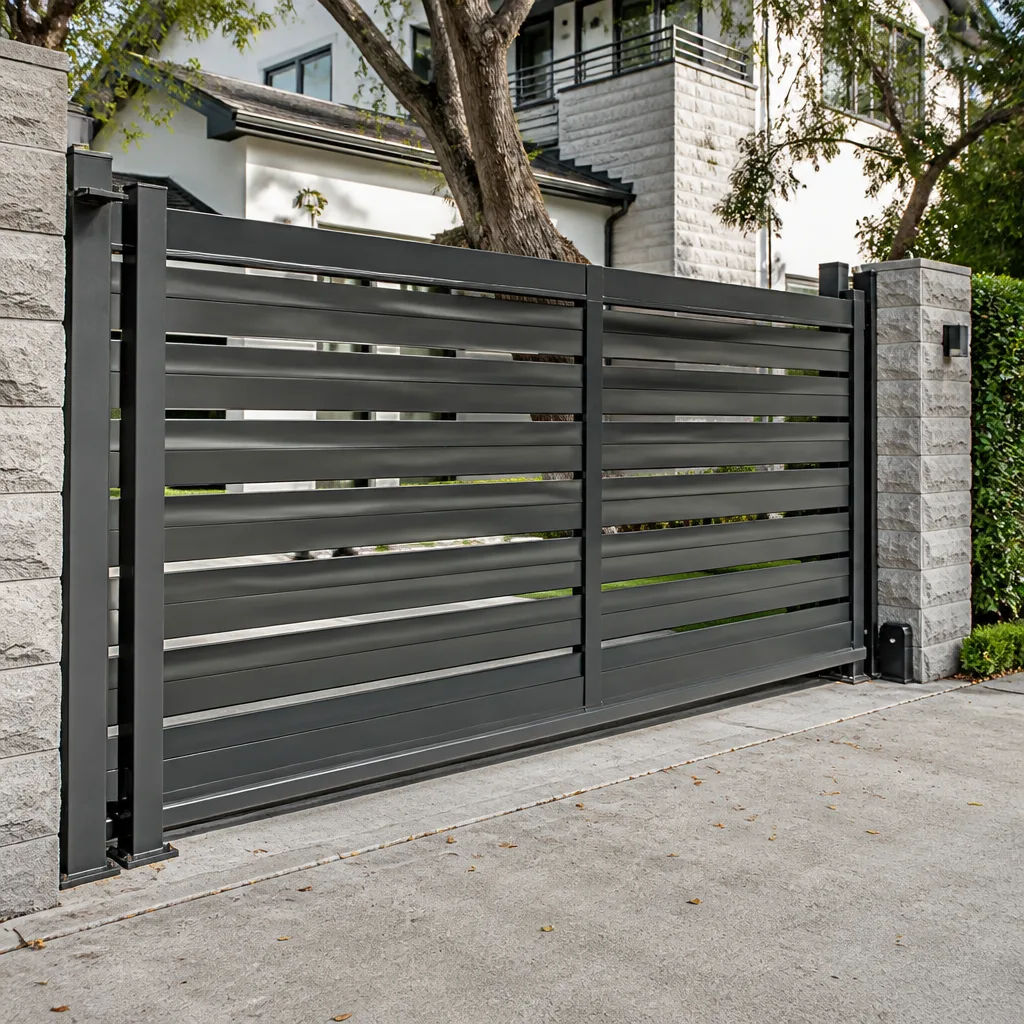 Sliding driveway gates
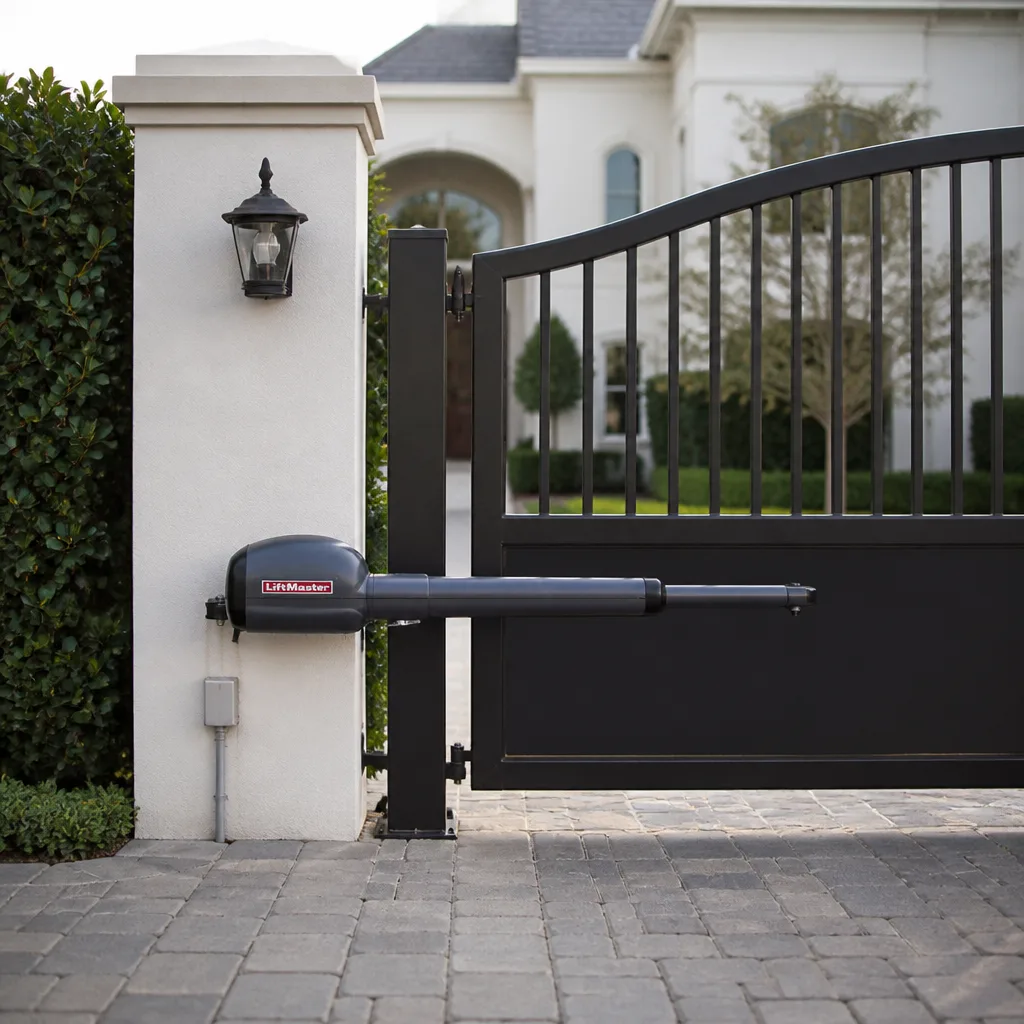 LiftMaster operators
Free on-site gate assessment - hinges, posts, and your LiftMaster or Nice gate operator checked before anything is quoted
The assessment is free and the quote is the invoice.
Get your free estimateGate Repair Permits, Codes & Inspections in Lakewood, CA: What You Need to Know
Most homeowners in Lakewood don’t realize that the legal exposure from an automatic gate has almost nothing to do with the gate itself. It has to do with a safety standard called UL 325, and whether the person who installed or repaired the operator bothered to follow it. If a pedestrian is injured by a gate that lacked required entrapment protection, and no permit was pulled for that installation, the homeowner typically bears liability, not the contractor who walked away. This guide explains where the permit line actually is in Lakewood, what the inspectors check, and how to avoid inheriting someone else’s unpermitted work when you buy or sell a home.
Quick Answer
Routine gate repair in Lakewood, like replacing a hinge, welding a cracked post, or swapping a failed control board, generally does not require a city permit. Gate replacement, new automatic operator installation, and any work that adds or alters entrapment protection devices, vehicular loop detectors, or the gate’s electrical feed usually does. Lakewood operates under Los Angeles County building jurisdiction, which means permit requirements follow the California Building Code and the California Electrical Code, with UL 325 safety compliance enforced at the inspection stage.
Table of Contents
- When Lakewood Requires a Permit vs. When Repair Is Exempt
- UL 325 Entrapment Protection: The Code Behind Every Motorized Gate
- Why Electric Gate Work Gets Treated Differently Than Manual Gate Repair
- HOA Gate Rules in Lakewood: The Layer That Overrides City Code
- What a Lakewood Gate Operator Inspection Actually Checks
- Unpermitted Gate Work and California Home Sale Disclosures
- Common Mistakes to Avoid
- When to Call a Professional
When Lakewood Requires a Permit vs. When Repair Is Exempt
Lakewood is a contract city that relies on Los Angeles County for building and safety services. That means the permit questions on a residential gate project are answered by the Los Angeles County Building Code, which adopts the California Building Code with local amendments. The practical line is simple enough to understand: replacing like for like is repair. Changing the system is construction.
A permit is generally required in Lakewood when any of the following happens:
- A new gate is installed where none existed before, including a full replacement that changes the gate’s size, weight, or swing pattern.
- A new automatic gate operator is added to a gate that was previously manual.
- An existing operator is replaced with a different type, such as going from a swing arm to a slide gate operator, rather than swapping in the same model.
- New electrical wiring is run from the house or panel to the gate location.
- Vehicular loop detectors are cut into the driveway, which involves saw-cutting concrete or asphalt.
- The gate’s foundation or footings are being poured or significantly altered.
Repair work that stays on the existing system does not need a permit. Replacing a failing Ghost Controls control board, swapping a worn Mighty Mule arm, rewiring a photo eye that stopped working, or welding a hinge back into alignment are all examples of gate repair in the exempt category. What matters is that the system’s fundamental safety configuration doesn’t change. When someone modifies how the gate senses obstructions, or adds a new operator brand, the question shifts from “fixing what’s there” to “changing what’s there,” and that’s where the county expects a permit.
One nuance most people miss: a handyman or fencing contractor may tell you a permit isn’t needed because they don’t want the inspection. The county’s requirement doesn’t change based on who does the work. It changes based on what the work is. If the scope triggers a permit, you’re responsible for having one regardless of what the contractor says.
UL 325 Entrapment Protection: The Code Behind Every Motorized Gate
UL 325 is a safety standard published by Underwriters Laboratories that governs automatic gate operators. California adopts it by reference in the state building code, which means it has the force of law in Lakewood. Any motorized gate system installed after roughly 2001 must comply with the current version of UL 325 at the time of installation. That compliance is not optional, and it’s specifically what an inspector verifies when a permit is pulled.
The standard requires two independent forms of entrapment protection for any automatic gate that could contact a person. The most common configurations include:
- Inherent obstruction sensing built into the operator itself, which reverses the gate when it encounters resistance mid-travel.
- External monitored photo eyes or edge sensors that detect a person or object in the gate’s path.
- For slide gates specifically, mesh or solid guarding on the gate frame to prevent entrapment between the moving gate and the fixed fence.
- A clearly visible warning sign posted on both sides of an automatic gate, which is a UL 325 requirement that inspectors check.
The reason this matters in Lakewood is enforcement. The county inspection on a permitted operator installation checks for the presence and function of these devices. An unpermitted installation skips that check entirely. A gate that reverses on pressure but has no photo eye, or has a photo eye that was never wired into the operator’s safety circuit, is out of compliance under UL 325. The homeowner might never know until something goes wrong.
We see a lot of older DoorKing and Elite operators in Lakewood backyards that were installed before these standards tightened. Some of them work perfectly mechanically and fail completely from a safety compliance standpoint. When that kind of gate gets repaired, the repair itself may be exempt from permits, but the safety gap remains. That’s the kind of nuance a Waverly Gate Repair technician flags on site, because it’s a liability issue that has nothing to do with whether the gate opens and closes.
Why Electric Gate Work Gets Treated Differently Than Manual Gate Repair
Manual gate repair in Lakewood is almost always a permit-exempt activity. A manual gate has hinges, a latch, a frame, and maybe a closer spring. Nothing about it is regulated by the electrical code, and it won’t crush or entrap anyone unless it’s been hung badly or rusted through. The county’s building department has no reason to be involved in welding a hinge or replacing a post cap.
Electric gate repair is a different animal. The moment you add a motor, a control board, a transformer, and a safety circuit to a gate, you’ve created an electrical installation. The California Electrical Code applies. That code governs how the power feed is run, how the disconnect is placed, how the equipment is grounded, and how the low-voltage safety wiring is separated from line voltage. A permit and inspection exist to verify that the person who did the work actually followed those rules.
Here’s what an inspector is looking for when they walk up to an electric gate operator installation in Lakewood:
- The operator has a dedicated, properly sized circuit with a listed disconnect within sight of the gate equipment.
- Line voltage and low voltage wiring are not run through the same conduit, and the low voltage wiring is rated for burial where it crosses the yard.
- The control board and operator chassis are properly bonded and grounded.
- Photo eyes are wired into the monitored safety input, not just sitting there as decoration.
- All openings in the operator enclosure are sealed, and the unit is mounted on a stable, level pad or bracket.
- Warning signage is in place on both sides of the gate as required by UL 325.
When a gate just stops opening, and the fix is replacing a failed capacitor or a burned relay on an existing board, that’s repair. When the entire operator needs to be swapped, and especially when the replacement is a different brand with different safety inputs, the scope has drifted into territory that Lakewood’s building department expects to see permitted. Electric gate systems require a technician who understands both the mechanical side and the electronics side; that same depth of knowledge is what determines whether a job is genuinely a repair or actually a reinstallation.
HOA Gate Rules in Lakewood: The Layer That Overrides City Code
Lakewood has a significant number of planned communities and homeowner associations. Several neighborhoods, particularly the gated communities and condo associations scattered across the city, operate under CC&Rs that regulate gates far more strictly than Los Angeles County does. The city code tells you what’s legal. The HOA tells you what’s allowed, and in almost every case the HOA standard is stricter.
Common HOA gate rules we’ve worked around in Lakewood include:
- Approved materials lists that only allow specific gate styles, colors, or construction types, even for like-for-like repairs.
- Height and opacity restrictions that match the community’s design review guidelines, which can vary from street to street within the same association.
- Operator brand requirements where the community has standardized on a particular system, often a DoorKing or Elite for vehicular access.
- Noise limits on swing operators that force the selection of a belt drive over a chain drive.
- Mandatory vehicle loop installation for any automatic gate, even in single-family residential driveways where the county wouldn’t require one.
- Annual safety inspections conducted by the association’s management company, with noncompliance fines for gates that fail.
The practical consequence is that a Lakewood homeowner can pull a permit, pass the county inspection, and still be in violation of their HOA’s rules. The reverse also matters: HOA approval does not replace a county permit when one is required. They are two separate approvals with two separate enforcement mechanisms. Before any gate replacement project in an HOA-governed Lakewood neighborhood, we recommend reading the architectural review section of the CC&Rs and getting the design committee’s written sign-off before ordering materials. It’s far cheaper to adjust a plan than to rebuild a gate the association won’t approve.
What a Lakewood Gate Operator Inspection Actually Checks
The inspection for a permitted automatic gate operator in Lakewood is performed by a Los Angeles County building inspector. It happens after the rough electrical work is done and the operator is installed, but before the final trim or concealment work hides the wiring from view. The inspector is not there to evaluate whether the gate looks good. They’re checking the safety and electrical compliance that the permit was pulled to verify.
Here’s the step-by-step sequence of a typical permitted gate operator installation in Lakewood, from start to signed final:
- Permit application is filed with Los Angeles County Building and Safety, with a site plan showing gate location, operator type, and electrical routing.
- The concrete pad or footing for the operator is poured, and the electrical conduit from the house or panel is run to the gate location.
- The operator, control board, and safety devices are installed and wired, with the conduit and junction boxes left accessible for inspection.
- The rough electrical inspection happens, verifying the feed, disconnect, grounding, and safety device wiring before anything is buried or covered.
- Entrapment protection is demonstrated to the inspector by forcing the gate to reverse on the photo eye or pressure sensor while the inspector watches.
- Once the rough inspection passes, the trench is backfilled, the operator is enclosed, and the warning signage goes up.
- A final inspection is scheduled and passed, closing out the permit and putting the work on record with the county.
The inspection record is worth more than most people realize. It’s proof that the gate installation was reviewed by a third party for code compliance. When a gate has no inspection record, there’s no paper trail establishing that entrapment protection was ever installed or tested. In the event of an injury claim, that missing record becomes a major vulnerability for the property owner.
Unpermitted Gate Work and California Home Sale Disclosures
California is a full-disclosure state for real estate transactions. Sellers are required to disclose known material facts about the property, including unpermitted work, modifications, and additions that may not comply with current building codes. That requirement applies to gates no less than it applies to room additions or upgraded electrical panels.
In Lakewood, the typical home sale involves a standard disclosure package that includes a questionnaire about modifications and improvements. If a seller installed an automatic gate operator without a permit, and they’re aware that the installation was never inspected, they are legally obligated to disclose that fact. Failing to do so exposes the seller to post-sale liability if the buyer later discovers the unpermitted work and can trace it back to the seller.
The buyer’s position is no better if they skip the due diligence. A gate that was added without a permit will not appear in the county’s permit history. If the buyer’s inspector doesn’t know what to look for, the unpermitted operator transfers with the sale and becomes the new owner’s problem. That can surface in several ways:
- A future insurer may deny a claim related to the gate if the installation is unpermitted and noncompliant.
- A future permit application for other work on the property may trigger a county review that discovers the unpermitted gate and requires retroactive permitting.
- An HOA may flag the gate during a community review and order the new owner to bring it into compliance at their cost.
- An injury involving the gate can become a personal liability claim where the absence of a permit is used as evidence of negligence.
For anyone buying a home in Lakewood with an existing automatic gate, we recommend checking the county permit record as part of the escrow process. If no permit exists and the gate has a motor, treat it as a compliance question to resolve before closing, not after.
Common Mistakes to Avoid
- Assuming all gate work is permit-exempt. Replacing a hinge is exempt. Adding an operator to a manual gate is not. The line is between like-for-like repair and system changes, and getting it wrong can mean an unpermitted installation on your property record.
- Believing a contractor’s word that “Lakewood doesn’t require permits for gates.” The county’s requirement doesn’t depend on who does the work or what they prefer. A contractor who dismisses the permit question is often just avoiding the inspection.
- Skipping the HOA review because the city permit went through. City approval and HOA approval are separate. An HOA can fine you and require the gate to be modified even after the county signs off.
- Installing an operator without photo eyes because the gate “reverses on pressure anyway.” UL 325 requires more than inherent obstruction sensing. Skipping the external sensors makes the gate noncompliant and the homeowner liable.
- Replacing an operator with a different brand without pulling a permit. Going from an old DoorKing to a new Mighty Mule is a reinstallation, not a repair. The county views it as new work, regardless of whether the gate itself stays in place.
- Buying a home with an automatic gate but never checking whether the operator was permitted. California disclosure law protects diligent buyers, but only if they actually investigate. An unpermitted operator becomes your legal exposure the day escrow closes.
When to Call a Professional
You should call a gate specialist in Lakewood when the question involves safety devices, operator wiring, or the interaction between a gate and its motor. A general contractor can tell you the gate needs a permit. A fencing company can hang the gate. What’s harder to find is someone who can diagnose why a Ghost Controls operator keeps faulting, or why a DoorKing board isn’t reading the photo eye input, and who also knows when the repair has crossed into installation territory that needs a permit.
That’s what we do. Electric gate repair that changes how the system functions should not be guessed at. We work on what you already have, across brands including LiftMaster, FAAC, BFT, Linear, Viking, Ghost Controls, DoorKing, Elite, and Mighty Mule, so the question of needing a permit gets answered before work starts, not after. Waverly Gate Repair offers free estimates in Lakewood. Call (866) 925-0168. We answer 24/7. Fast dispatch from 7am to 7pm, Sunday through Friday.
Frequently Asked Questions
It depends on whether you’re replacing the motor as a like-for-like repair or changing the system. Swapping a burned-out operator for the same model in the same location is repair and generally doesn’t need a county permit. Installing a new motor on a previously manual gate, or replacing one brand with another that alters the safety inputs, is treated as new installation and typically requires a permit through Los Angeles County Building and Safety.
UL 325 is the national safety standard for automatic gate operators, adopted into California code, that mandates entrapment protection like photo eyes, pressure sensing, and warning signage on any motorized gate. It matters because an inspector verifies compliance on permitted installations, and because a noncompliant gate shifts liability to the homeowner if someone is injured.
Most Lakewood HOAs only require approval for new gates, gate replacements, or visible modifications that affect community appearance. Simple repairs that restore the gate to its original condition usually don’t need committee review, but every association is different. Check your CC&Rs before starting any gate work that changes the gate’s look, height, or operator type.
Yes. California requires sellers to disclose known unpermitted modifications, including automatic gate installations that were never inspected. Undisclosed unpermitted work creates post-sale liability for the seller and becomes the buyer’s compliance problem after closing.
An LA County inspector checks the electrical feed and disconnect, grounding and bonding, separation of line and low voltage wiring, the function of entrapment protection devices, and the presence of required warning signage. They’re verifying that the installation matches the permit scope and complies with the California Electrical Code and UL 325.
Start with an assessment from a specialist who understands Lakewood’s county requirements. In many cases the gate can be brought into compliance and retroactively permitted, but it depends on the age of the installation, the operator type, and whether the safety devices meet current UL 325 standards. Call (866) 925-0168 for an exact evaluation. Estimates are free.
The Bottom Line
The permit question on a Lakewood gate comes down to whether you’re maintaining what’s there or changing the system. Repair is mostly exempt. Installation is mostly not. The safety standard behind that distinction, UL 325, exists because automatic gates can seriously injure people when the entrapment protection isn’t right, and the homeowner bears the legal weight when it’s missing. Before any gate project in Lakewood, check the county permit trigger, check the HOA rules, and check the operator’s safety compliance. The inspection record is worth more than the certificate. It’s the only proof that the gate was installed the way the law expects.
Written by the team at Waverly Gate Repair, serving Lakewood since 2013.
Styles & brands we work with
- Wrought iron
- Wood & steel frame
- Farm & ranch
- Sliding driveway gates
- LiftMaster operators
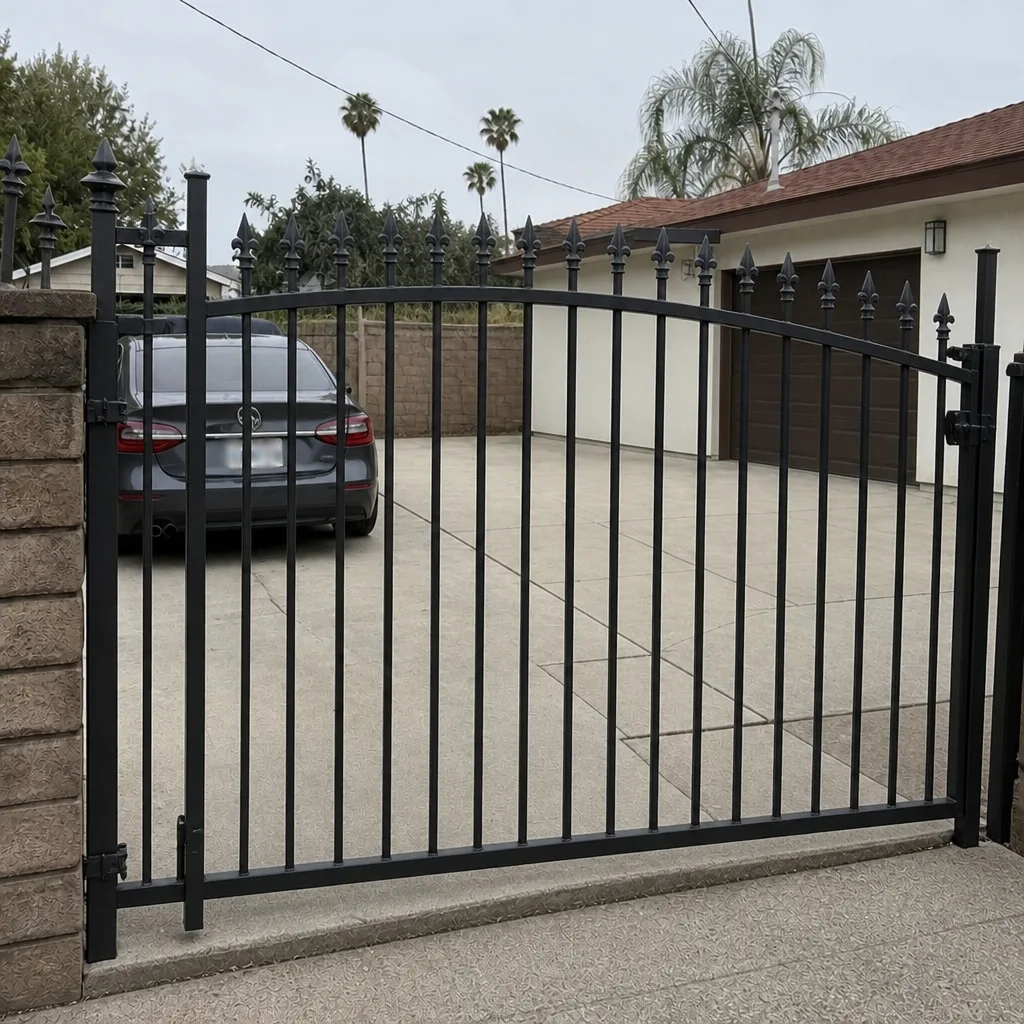
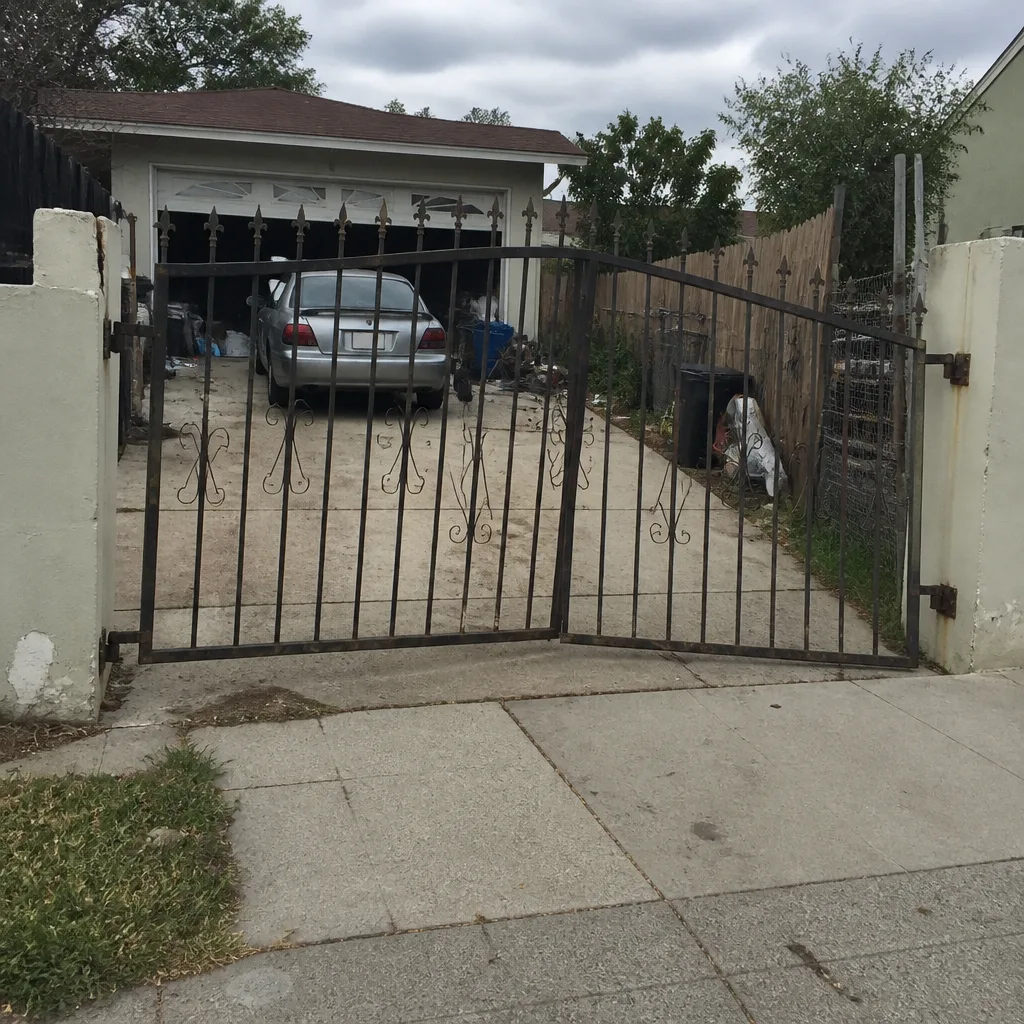
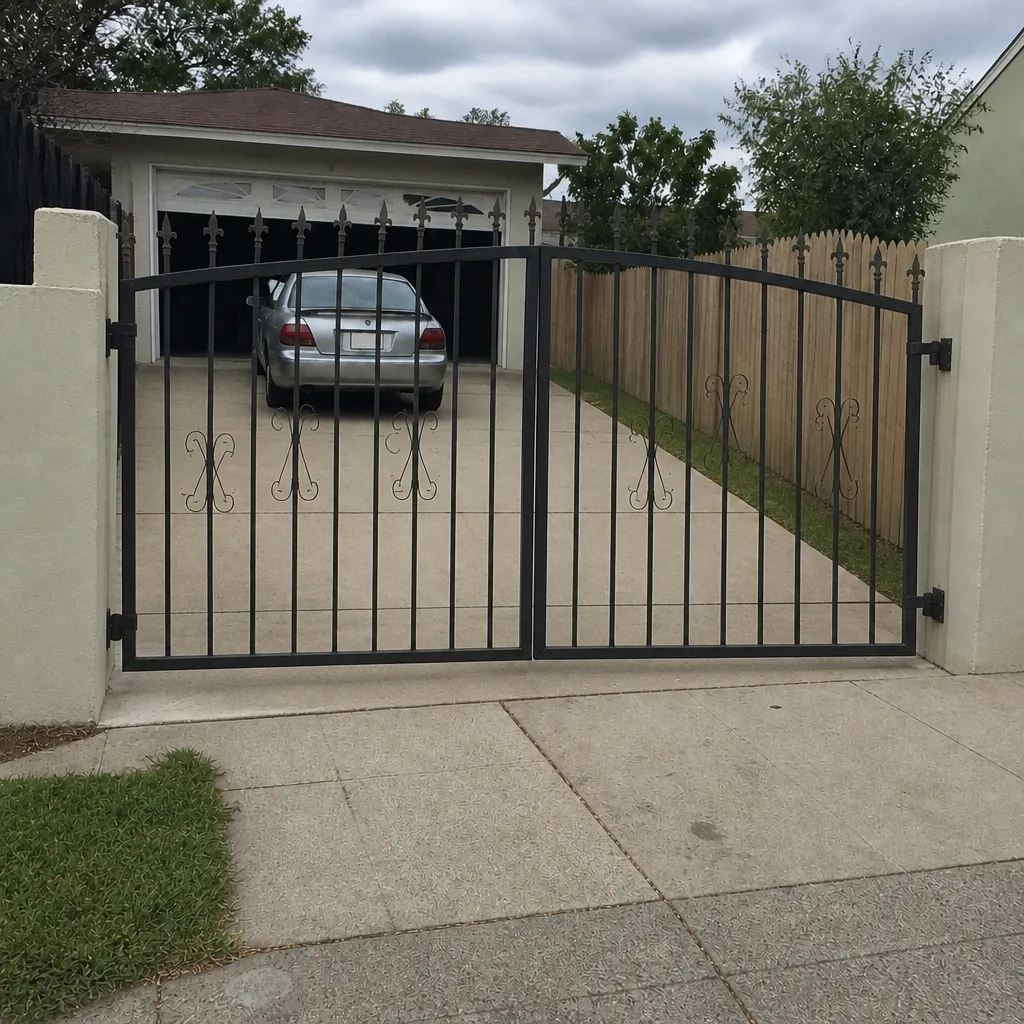
See the difference
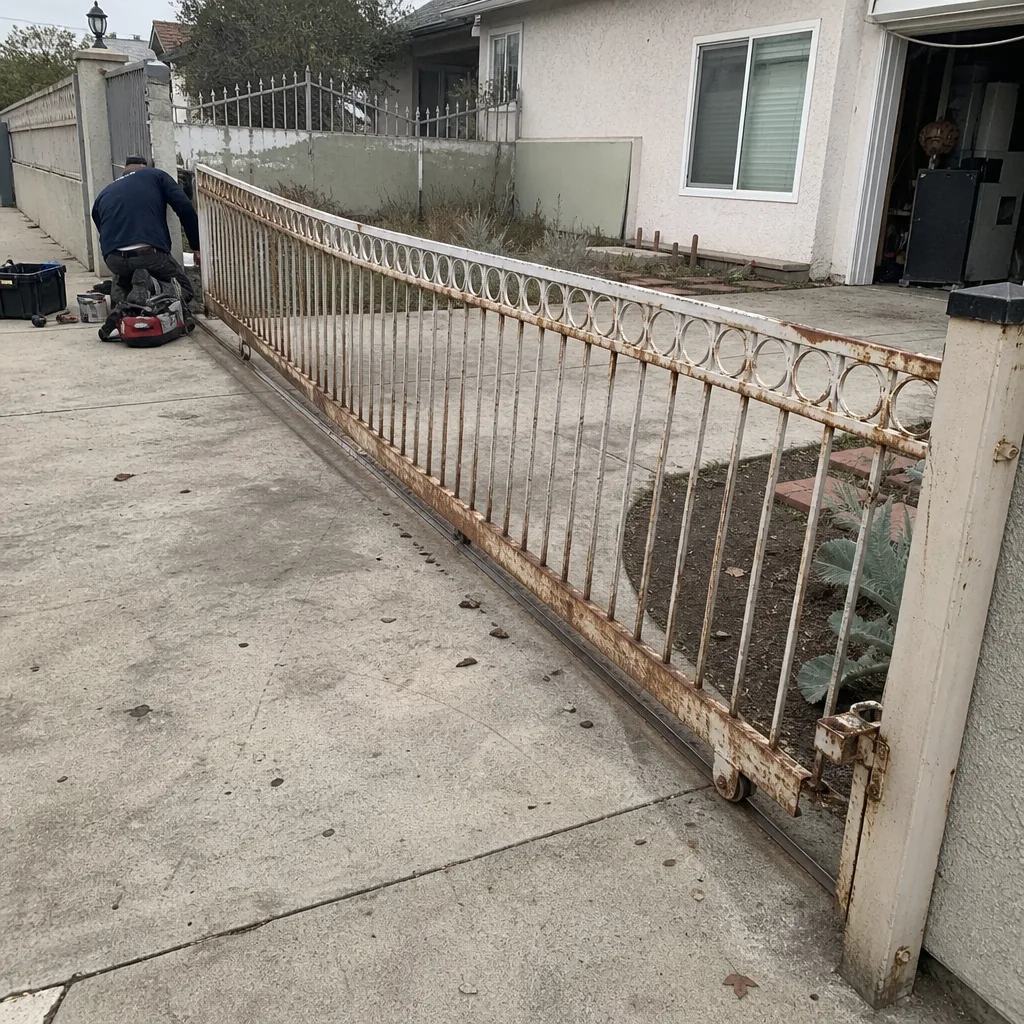 Before
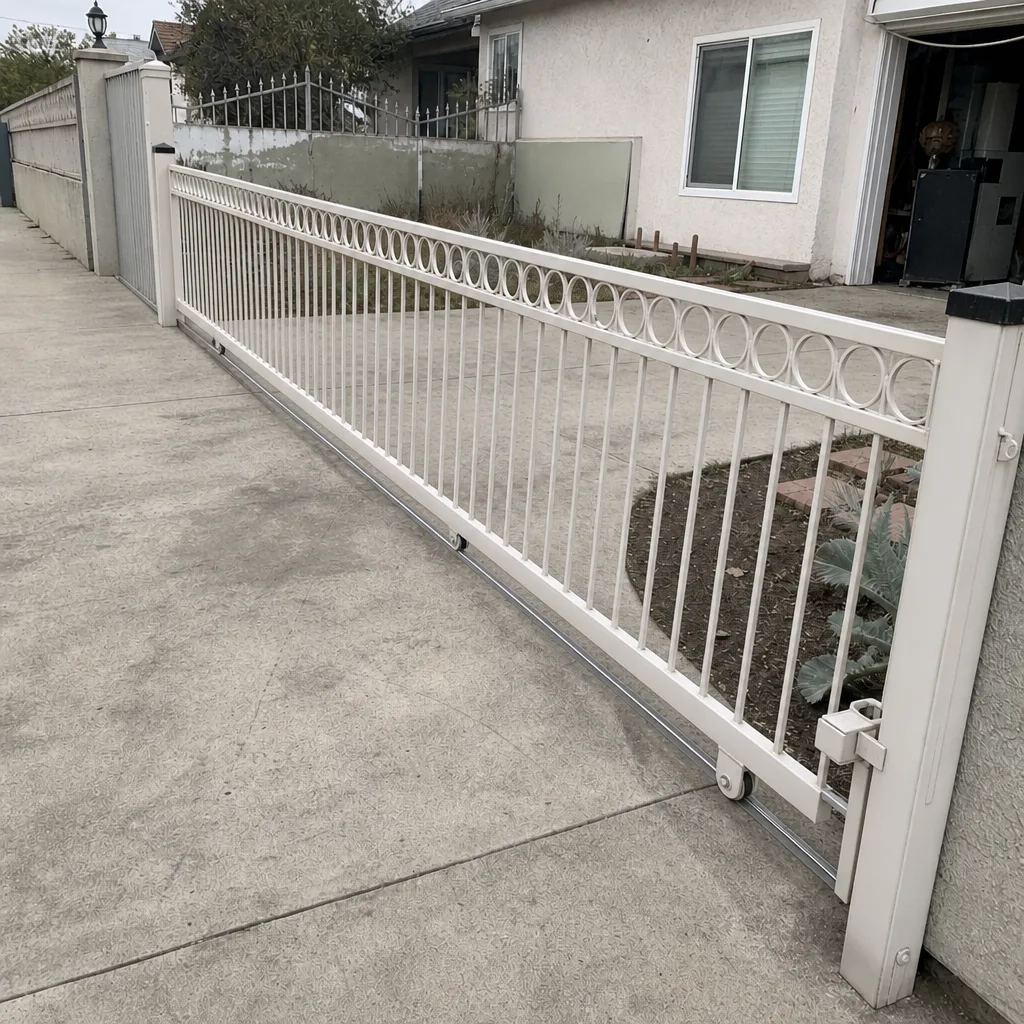 After
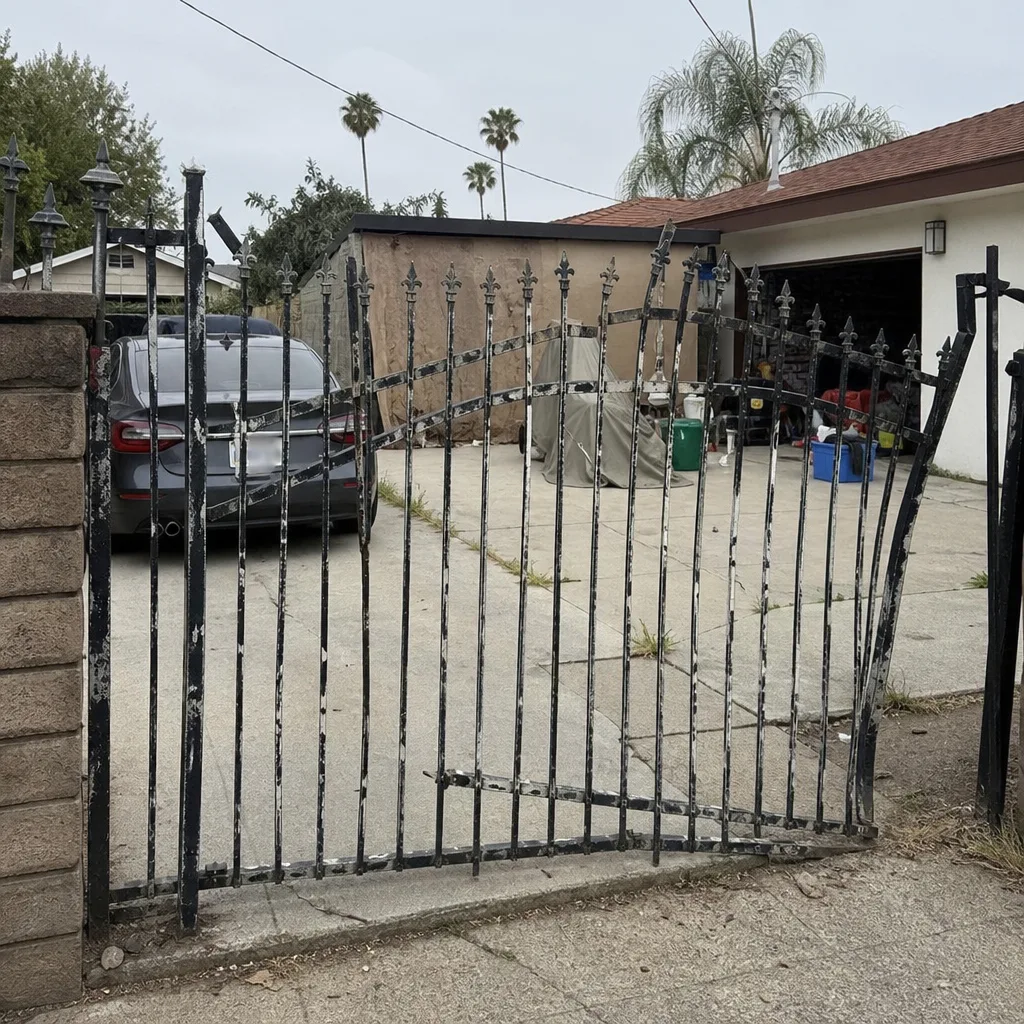 Before
 After
 Before
 After