
Last updated November 4, 2026
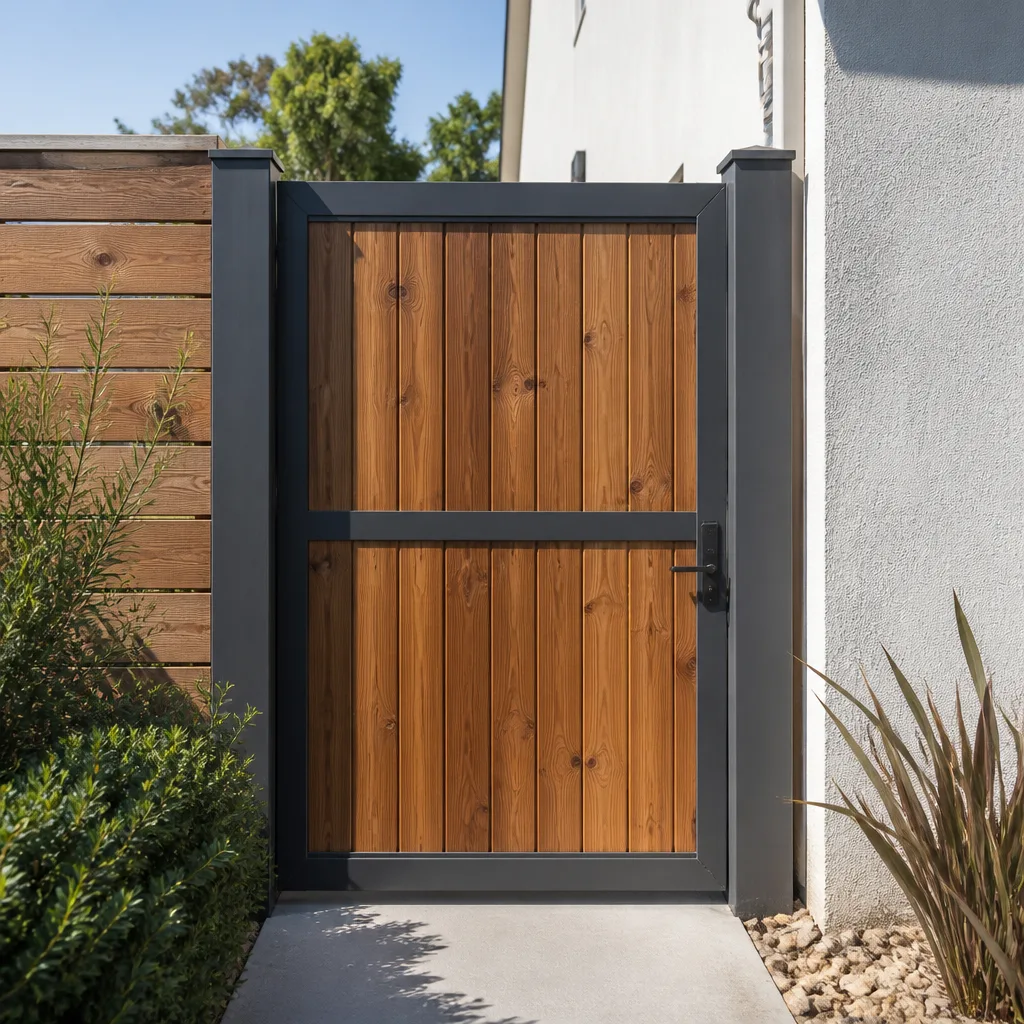 Wood & steel frame
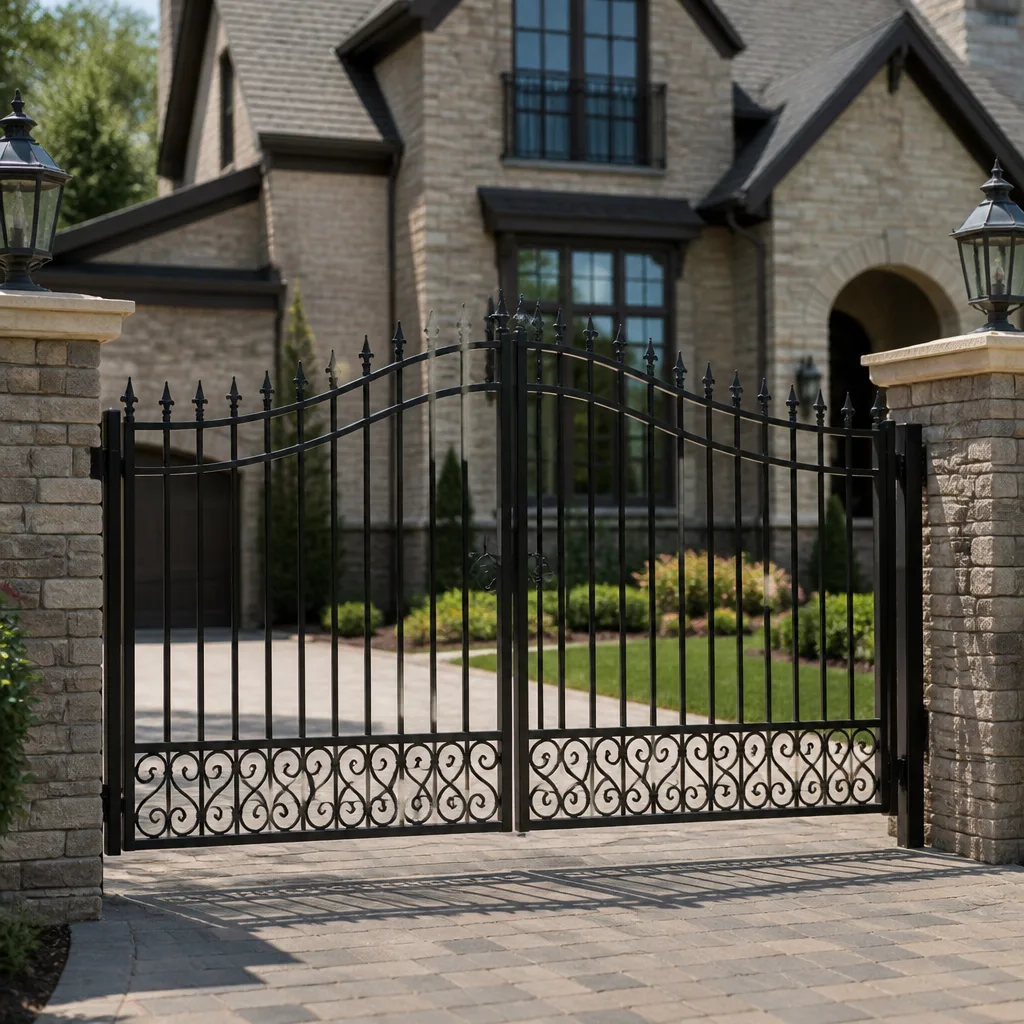 Wrought iron
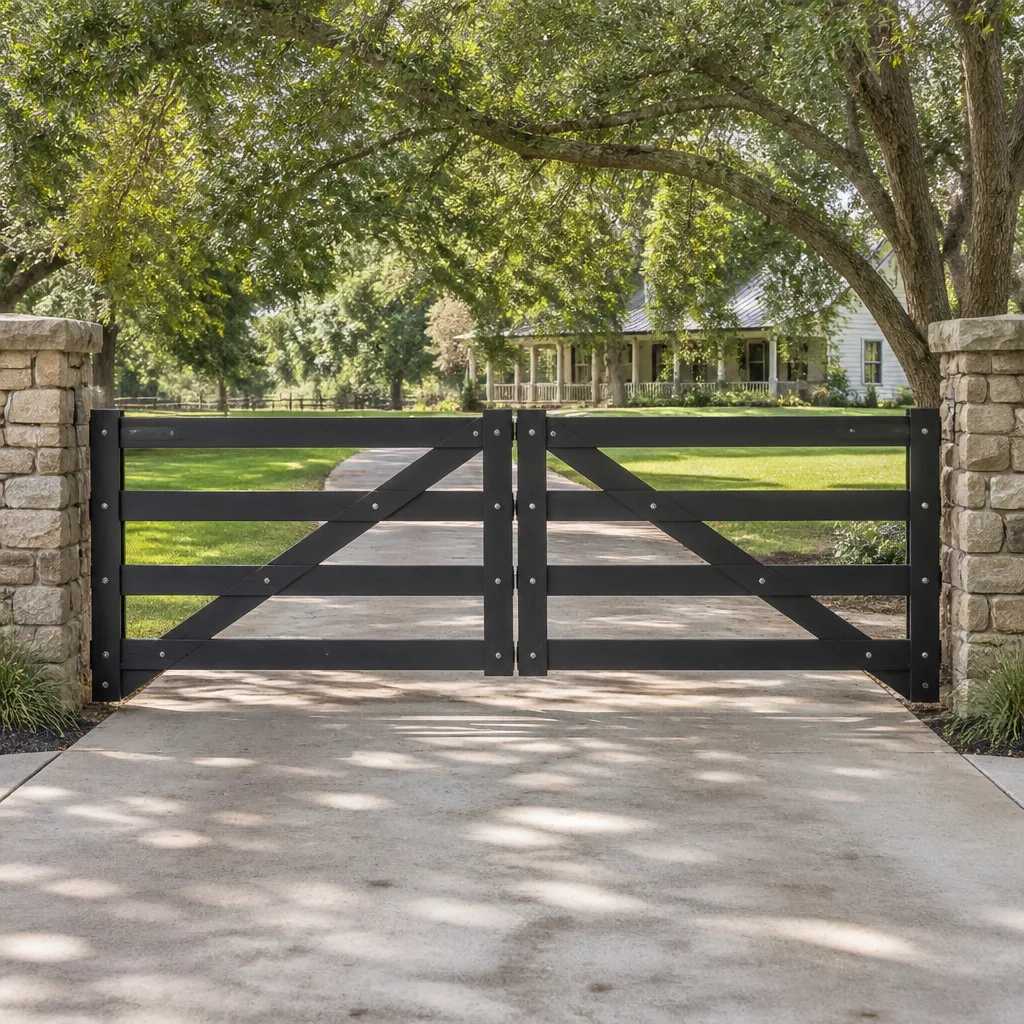 Farm & ranch
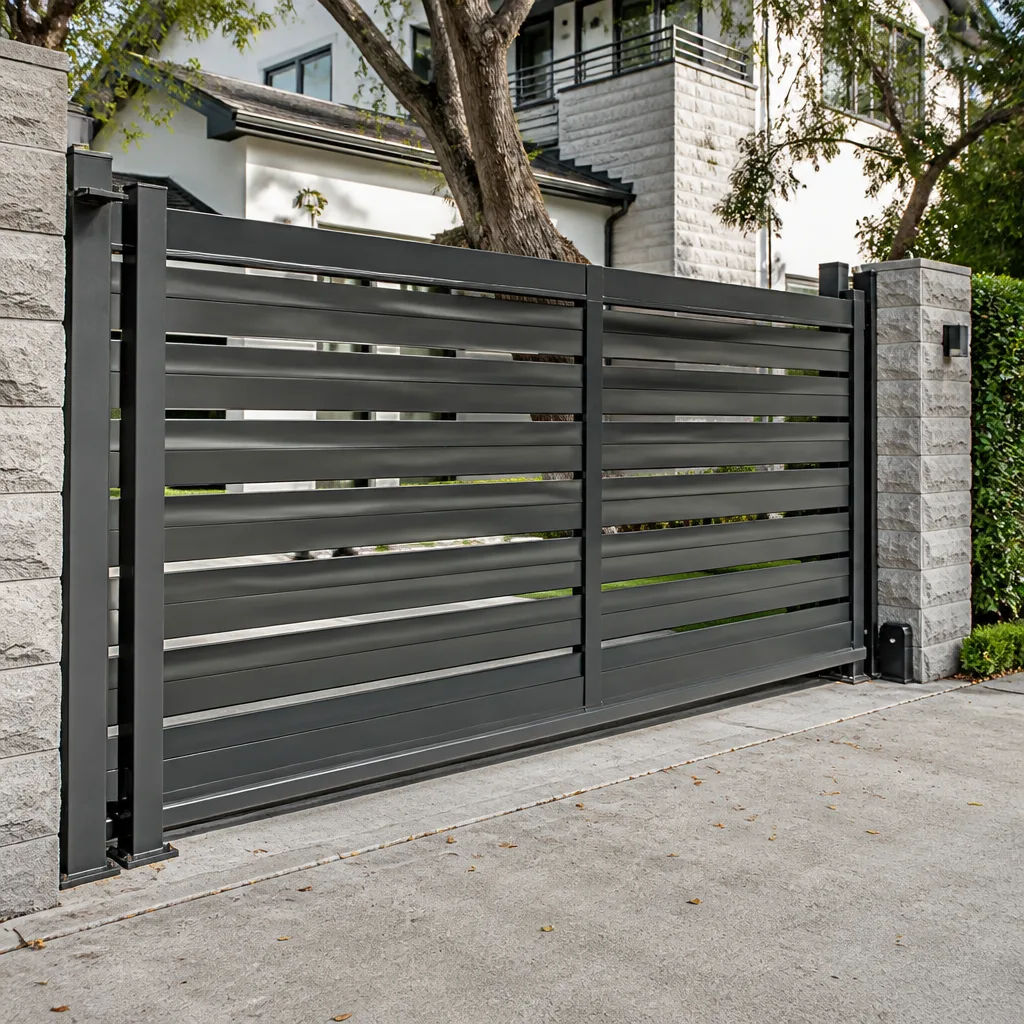 Sliding driveway gates
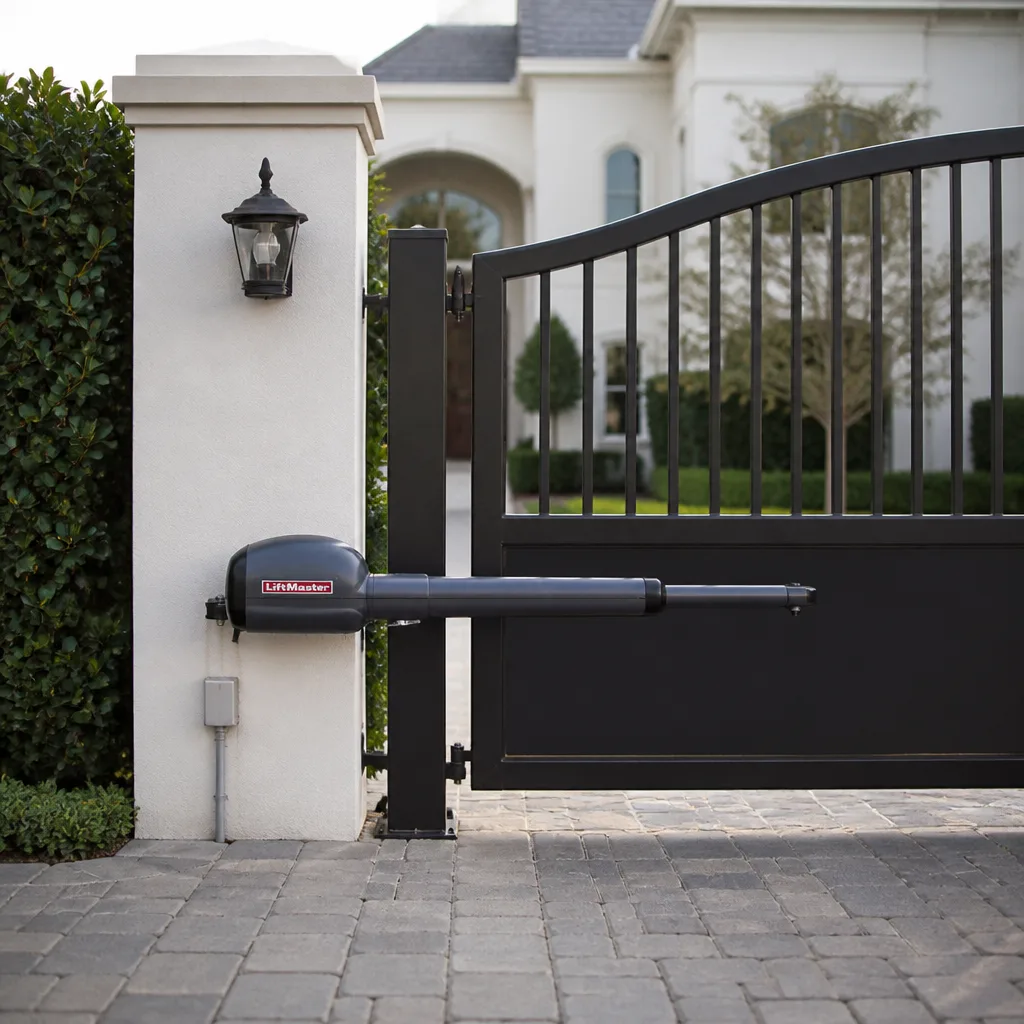 LiftMaster operators
Free on-site gate assessment - hinges, posts, and your LiftMaster or Nice gate operator checked before anything is quoted
The assessment is free and the quote is the invoice.
Get your free estimateDIY vs Professional Gate Repair: The Lakewood Homeowner’s Decision Guide
Most gate repair advice on the internet reads like it was written by someone who has never actually watched a homeowner stare at a dead gate opener at 6:45 on a Monday morning. The usual guidance splits into two useless camps: “call a pro for everything” or “you can fix anything with a YouTube video and patience.” Both are wrong. Gate springs and counterweights operate under significant tension. At least a dozen injuries are reported to California contractors each year from homeowners attempting spring adjustments on commercial slide gates, a job that looks straightforward and isn’t. What actually matters in Lakewood is whether the problem is mechanical, electrical, or structural. That distinction, more than your tool collection or confidence level, determines whether you should grab a wrench or grab your phone. This guide gives you a framework for making that call correctly for your gate, your house, and the kind of gate hardware common in Lakewood’s neighborhoods.
Styles & brands we work with
- Wrought iron
- Wood & steel frame
- Farm & ranch
- Sliding driveway gates
- LiftMaster operators
Quick Answer
You can safely handle a small set of DIY gate tasks: cleaning photo-eye sensors, lubricating hinges, clearing track debris, replacing remote batteries, and resetting limit switches on residential operators. But anything involving high-tension springs, control board replacement on commercial systems, loop detector installation, or structural post repair should go to a professional. In Lakewood, the cost of a DIY mistake on an electric gate usually exceeds the service call you were trying to avoid.
Table of Contents
- The Three-Category Framework: How to Sort Any Gate Problem
- Safe DIY Gate Tasks You Can Handle This Weekend
- Tasks That Need Skill But No License
- Never DIY: The Professional-Only Gate Repairs
- The Hidden Cost of a DIY Gate Mistake
- How to Describe Your Gate Problem to a Technician
- Lakewood-Specific Gate Repair Considerations
- Common Mistakes to Avoid
- When to Call a Professional
- Frequently Asked Questions
- The Bottom Line
The Three-Category Framework: How to Sort Any Gate Problem
Before you touch anything, sort the problem into one of three buckets. This single step prevents most bad decisions. The framework is based on what can go wrong if you make an error, not on how simple the repair looks from the outside.
Category One: Safe DIY. These are tasks where the worst realistic outcome is the repair doesn’t work and you call a gate repair company anyway. No injury risk, no equipment damage, no code implications. Cleaning, battery swaps, lubrication, debris clearing.
Category Two: Skill Required, No License. These tasks require mechanical competence and the right tools, but they don’t involve live electrical work, high-tension components, or structural changes. Adjusting a residential opener’s force settings, replacing a gate wheel, realigning a sagging hinge on a lightweight driveway gate. A competent DIYer can do these, but a mistake might bend a bracket or strip a bolt.
Category Three: Professional Only. These involve one or more of: live electricity, stored mechanical energy under tension, structural loads, or code-permitted work. Torsion springs, commercial control boards, loop detectors, post replacement. Here, a mistake can injure someone, damage property, or create a liability problem when you sell the house.
If you cannot confidently name which category a task falls into, assume it is Category Three. That single rule of thumb serves most Lakewood homeowners well, especially with electric gate repair where the mechanical and electrical systems interact in ways that aren’t obvious from a visual inspection.
Safe DIY Gate Tasks You Can Handle This Weekend
Some gate maintenance is genuinely homeowner-friendly. These five tasks require no specialized tools beyond what’s in a typical Lakewood garage, and each one takes under half an hour. If you do these twice a year, you’ll avoid a meaningful share of the calls we get.
- Clean the photo-eye sensors. Automatic gates with safety sensors use a photo-eye pair that gets dusty surprisingly fast in Lakewood’s dry inland air. A soft cloth and glass cleaner restore the lens clarity. If the gate starts reversing or refusing to close, dirty sensors are the most common cause.
- Lubricate the gate hinges and roller bearings. Use a silicone or lithium-based lubricant, not WD-40. Apply to hinge pins, roller bearings, and the operator’s chain or screw drive if it has one. Wipe away excess so it doesn’t attract grit.
- Clear track debris. Slide gates run in a steel track that collects leaves, pebbles, and dirt. Sweep it out, check for anything jamming the V-wheels, and confirm the gate rolls without binding when in manual mode.
- Replace remote batteries. A LiftMaster or Viking remote that blinks weakly or needs multiple presses likely just needs a fresh battery. Note the exact model number before you buy a replacement, because remotes are not universal across brands.
- Reset the limit switches on residential operators. If your gate opens too far or stops short, most residential operators from Linear or Ghost Controls have a straightforward limit-setting procedure in the manual. Follow it exactly. If the gate still misbehaves, the limit switch itself may be failing, which is a different repair.
None of these tasks involve opening an operator cabinet, disconnecting wiring, or touching anything under tension. That’s the line you don’t cross.
Tasks That Need Skill But No License
This middle category is where homeowners who know their limits can save money without taking real risk. You don’t need a permit or a licensed electrician for these, but you do need to understand what you’re doing. In our experience serving Lakewood, these tasks go well when the homeowner reads the manual first and badly when they don’t.
Adjusting opener force settings. If your gate stops midway or reverses without an obstruction, the force setting may be too sensitive. Residential operators have adjustable force controls. Read the manufacturer’s instructions for your specific DoorKing or Linear model. Increasing force too much is dangerous, it can prevent the gate from stopping when someone is in the path. A safer approach is to clean the track and lubricate everything first, then adjust force in small increments only if the manual says it is appropriate.
Replacing a gate wheel or V-roller. Slide gate wheels wear out. If your gate drags or grinds as it opens, one of the wheels may be flat or seized. This is a fairly straightforward bolt-off, bolt-on job if you have the right replacement part. The risk is getting the wheel sizing wrong and creating a gate that rides off-track. Take the old wheel to a supplier or order by exact model.
Realigning a sagging gate on a lightweight driveway gate. A welded steel driveway gate that has sagged at the hinge can sometimes be corrected with hinge shims or by tightening loose hinge bolts. This is safe on a gate you can lift by hand. It gets dangerous when the gate is heavy enough to require a jack, because once a heavy gate shifts, it can fall with real force.
If you’re not comfortable with any of these, hold off. The estimate is free, and we’re a phone call away.
Never DIY: The Professional-Only Gate Repairs
Some gate repairs should not be attempted by anyone without specific professional training. Not because of liability hedging, but because of the physical forces and electrical hazards involved. Here’s what stays off your DIY list, and why.
Torsion spring and counterweight work
Commercial slide gates and some heavy residential gates use counterbalance springs or weights. These components store enormous tension. When a spring lets go, it releases that energy instantly. The injuries reported annually to California contractors almost all trace back to spring adjustments on commercial slide gates. People see a coiled spring, assume it’s like the one on a screen door, and find out otherwise. At Waverly Gate Repair, our technicians treat spring work with the same respect as live electrical work, because the energy is comparable.
Control board replacement on commercial systems
A commercial gate operator’s control board manages motor direction, safety loop inputs, obstruction sensing, and access control integration. Swapping a board involves disconnecting and reconnecting line-voltage and low-voltage wiring, setting DIP switches correctly, and programming limit and force parameters. A wrong connection can fry the new board on power-up, a $500 to $1,500 mistake depending on the system. Boards on FAAC, BFT, and Viking commercial operators are designed for technicians who work on them regularly.
Loop detector installation
Vehicle loop detectors are buried magnetic sensors that tell the gate when a car is present. Installing or repairing one requires cutting a saw slot in concrete or asphalt, laying loop wire in a specific pattern and number of turns, sealing the slot, and wiring the detector correctly. Poorly installed loops cause ghost openings, failure to open, or gates that stay open too long. This is a skilled installation with real consequences for safety.
Structural post replacement
When a gate post rots, rusts through, or was installed too shallow, the correct repair is removing the old post, setting a new one at proper footing depth in concrete, and waiting for the concrete to cure before re-hanging the gate. A homeowner who tries to brace a failing post is adding weight to a structure that is already compromised. The gate eventually falls, and falling gates crush things.
The Hidden Cost of a DIY Gate Mistake
The visible cost of calling a technician is the invoice. The cost of a DIY mistake is a list of things most homeowners never put in the budget. Here’s what we’ve seen households deal with after a well-intentioned repair goes sideways.
Voided operator warranties. Most gate operator manufacturers require installation and major repairs to be performed by qualified technicians. If your Ghost Controls or LiftMaster residential operator is under warranty and you open the cabinet and modify the wiring, that warranty may be voided. The math is simple: a free repair under warranty becomes a paid repair because you saved a service call.
Misaligned systems that accelerate wear. A gate that operates even slightly out of alignment wears unevenly. Hinge pins oval their holes. Wheels develop flat spots. The operator motor works harder every cycle and fails years early. You “fixed” a $200 problem and created a $1,500 one.
Unpermitted electrical work surfacing during sale. Running new power to a gate operator is electrical work. In many Lakewood transactions, buyers or their inspectors notice unpermitted electrical changes, especially when the work is not to code. It becomes a negotiation point, a repair contingency, or a sale killer. The money you saved nine years ago becomes the line item that costs you $1,800 in escrow today.
The injury that doesn’t show up on an invoice. Lacerations from snapped springs, crushed fingers from falling gates, electrical shocks from live cabinets. These are the cost that no one budgets for, and the reason professional gate repair exists as a trade.
How to Describe Your Gate Problem to a Technician
When you do call a pro, describing the problem accurately gets you a faster diagnosis and a more accurate quote. Here’s what we wish every homeowner knew before picking up the phone.
- Name the type of gate. Slide gate or swing gate? Single swing or double swing? Manual or electric? Chain-driven or screw-driven? This matters for diagnosis.
- Identify the operator brand. Look for a label on the operator cabinet or motor housing. Names like Linear, Viking, DoorKing, or Ghost Controls tell us which system we’re dealing with before we arrive. The model number is even better.
- Describe the exact symptom. “It won’t open” is not enough. Does it hum but not move? Move a few inches and stop? Open but not close? Open on its own? Reverse halfway? Each of these points to a different cause.
- Note what has changed. New remote? Recent power surge? Tree work near the gate? Landscaping near the photo-eyes? Pouring rain? What changed is often the answer.
- Know where the breaker is. Gate operators usually have a dedicated breaker or disconnect. If you can tell us “the breaker is off and the gate still won’t move,” that helps. If you haven’t checked the breaker, check it first, but don’t reset a tripped breaker more than once.
Armed with these five data points, a technician can often diagnose a problem over the phone, bring the right parts, and finish in one visit instead of two.
Lakewood-Specific Gate Repair Considerations
Gate repair in Lakewood is not identical to gate repair everywhere. The local climate, housing stock, and permitting environment shape which problems show up most often. Here’s what we see from our work across the city.
Dry inland air and dust. Lakewood’s climate is mild and dry. There’s no salt air or freeze-thaw cycle damaging gates the way you’d see in other regions. But dust accumulates fast. Photo-eye sensors get coated. Operator internals collect fine grit that accelerates wear on gears and limit switches. Twice-yearly cleaning prevents many of our repair calls.
1950s and 1960s housing stock. Many Lakewood homes were built in the post-war decades when driveway gates were narrower and simpler. A modern automatic gate retrofit on an older driveway often requires creative mounting solutions. If your property has an original gate post or track, it may predate current operator standards.
Property lines and fence setbacks. Lakewood lots tend to be compact. Gate posts often sit close to property lines and shared fences, which complicates post replacement access. You can’t always dig a new post footing without crossing a boundary or disturbing a neighbor’s fence. This is where a professional who has worked Lakewood properties understands the constraints.
Permit questions. Whether you need a permit for gate operator electrical work depends on what you’re doing and what the city’s building department requires. Most cities require permits for new electrical circuits and structural post work. Ask the city directly, or ask us and we’ll tell you what is typical for the scope. Never start unpermitted electrical or structural work on a gate without knowing the local requirements. If you’re unsure, call before you dig.
Security expectations. Lakewood homeowners value gate security as much for privacy as for actual crime prevention. A gate that fails closed traps cars. A gate that fails open leaves a property exposed. Both states are urgent for homeowners who expect the gate to be the first line of defense.
Common Mistakes to Avoid
- Using the wrong lubricant. WD-40 is a solvent, not a lube. It strips existing lubrication and attracts dust. On a Lakewood gate in dry weather, that means more friction, not less. Use silicone or lithium grease.
- Cranking force settings to maximum. When a gate struggles to move, the problem is usually mechanical drag, not insufficient force. Turning up the force on a DoorKing or Linear residential operator is how you get a gate that will not stop closing on a person or object.
- Disconnecting the safety sensors to “fix” a gate that won’t close. The sensors are preventing closure because the gate sees something in the path. Bypassing them restores function and removes the single most important safety feature on your automatic gate.
- Attempting spring adjustment on a commercial slide gate. We’ve said it once and we’ll say it again: those springs store enough tension to cause serious injury. Professional only, every time.
- Resetting a tripped breaker repeatedly. If the breaker to your gate operator trips, trips again, and trips a third time, stop resetting it. Something is drawing current abnormally, and repeated resets can damage the operator or wiring. Get a professional diagnosis.
- Using a universal remote you bought online without checking compatibility. Remotes are brand and frequency specific. A “universal” remote often doesn’t work with encrypted or rolling-code systems from LiftMaster or Viking. Check compatibility before you buy, or call us with your operator model and we’ll tell you what works.
- Waiting through minor symptoms until the gate fails completely. Grinding noises, slow operation, odd reversing behavior, warning lights. All are early indicators. Gates rarely fail instantly, they degrade. Early repair is almost always cheaper than post-failure replacement.
When to Call a Professional
Call a gate specialist when the problem involves anything in Category Three: live electrical work, springs or counterweights under tension, control board replacement on commercial systems, loop detector installation, or structural post work. Also call when a Category Two task hasn’t solved the problem after one honest effort, or when the gate is your primary security barrier and you cannot afford to have it out of service for days while you figure it out. A gate that is decommissioned is a gate that invites unwanted attention. Waverly Gate Repair offers free estimates in Lakewood. Call (866) 925-0168. We answer 24/7. Fast dispatch from 7am to 7pm, Sunday through Friday.
Frequently Asked Questions
Gate repair in Lakewood typically costs between $180 and $900 depending on the problem, the operator brand, and whether parts are in stock locally. Simple fixes like sensor realignment or remote programming sit at the low end of that range. Control board replacement on a commercial Viking or BFT operator sits at the high end. A full gate replacement or operator installation is a separate scope and usually runs higher. The written estimate sets the final price before any work starts, and estimates are free. Call (866) 925-0168 for an exact quote on your gate.
Yes. Same-day gate repair is available for most common problems in Lakewood. We answer 24/7. Fast dispatch from 7am to 7pm, Sunday through Friday. If you call before noon on a dispatch day, we can typically get a technician to your property that afternoon. Call (866) 925-0168 to check today’s availability.
Yes. Waverly Gate Repair works on what homeowners already have. We service Linear, Viking, Ghost Controls, DoorKing, and other major gate brands, and we never tell a customer “we only service our own brand.” Your existing gate, your existing operator, our specialty. If it’s a gate, we repair it.
A full gate installation typically includes site measurement, gate fabrication or ordering, post setting at proper footing depth in concrete, and mounting the gate, operator, safety sensors, and access controls. We install both manual and electric gate systems. The scope is quoted in writing before work begins. For a free measure and written estimate in Lakewood, call (866) 925-0168.
Yes. Waverly Gate Repair handles the power run to the operator and installs safety edges and photo-eye sensors on electric gate systems. Electrical work on gate operators requires care around live power, and our technicians work with both the mechanical and electronic sides of gate automation every day. Call (866) 925-0168 for a free estimate in Lakewood.
No. A grinding noise means something in the drive system is already failing. Continued use accelerates the damage and can cause the gate to bind mid-travel, which strains the operator motor and risks a sudden failure. This is a repair-now situation, not a wait-and-see. Call (866) 925-0168. We answer 24/7 and fast dispatch from 7am to 7pm, Sunday through Friday.
The Bottom Line
Most Lakewood homeowners can handle the simple, safe gate maintenance tasks: clean the sensors, lube the hinges, clear the track, replace remote batteries, reset limit switches. Beyond that, the line between DIY and professional work is real and worth respecting. Tension springs injure people. Electricity kills. Structural failures destroy property. If your gate problem falls into Category Three, hire a specialist. Waverly Gate Repair has been serving Lakewood since 2013. Your gate is our only focus. Call (866) 925-0168 for a free estimate. We answer 24/7. Fast dispatch from 7am to 7pm, Sunday through Friday.
Written by the team at Waverly Gate Repair, serving Lakewood since 2013.
See the difference
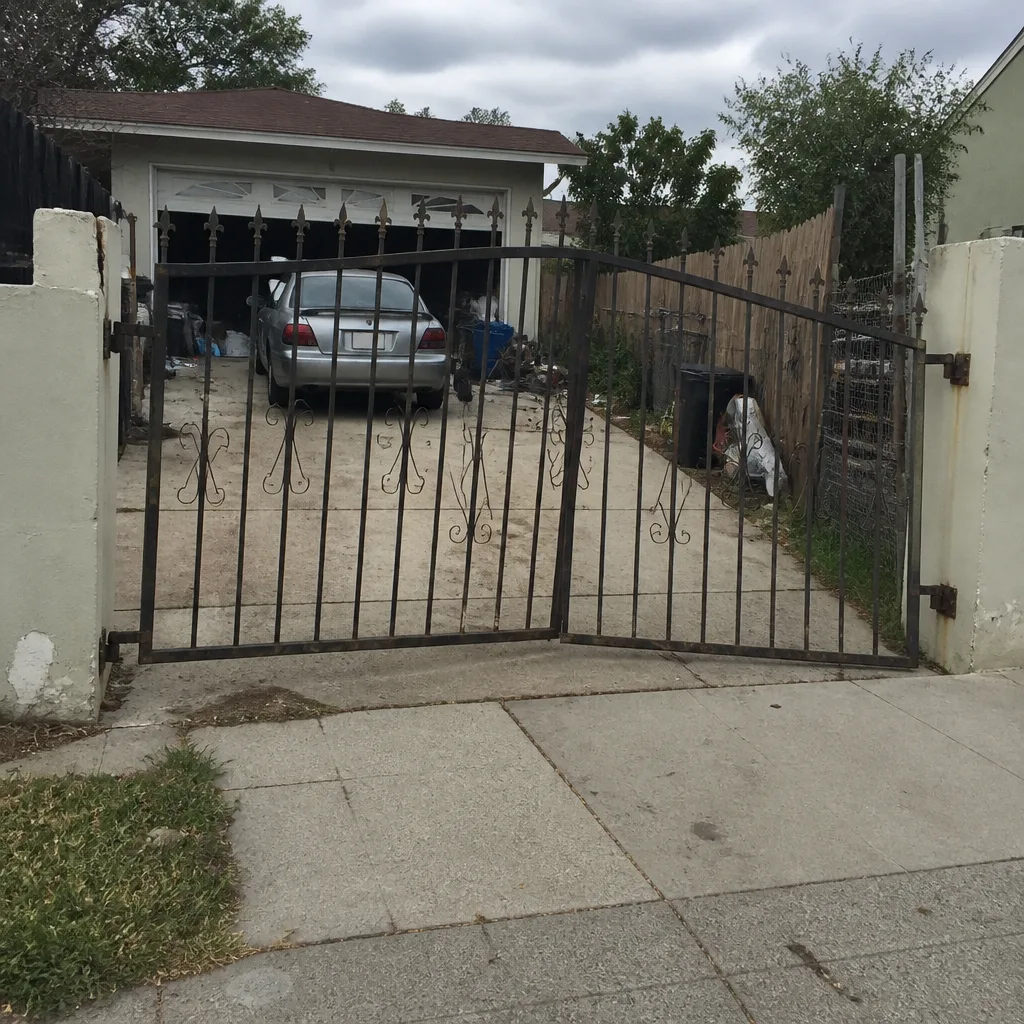
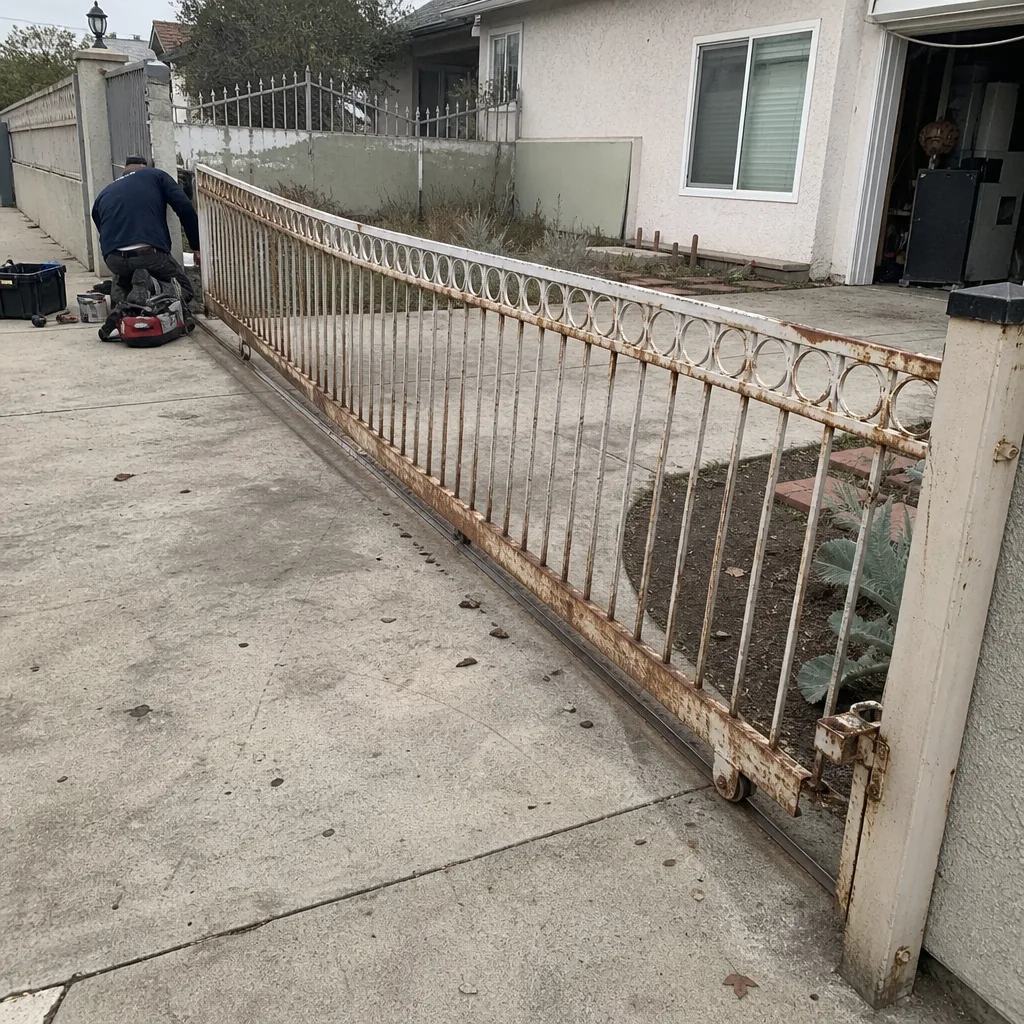 Before
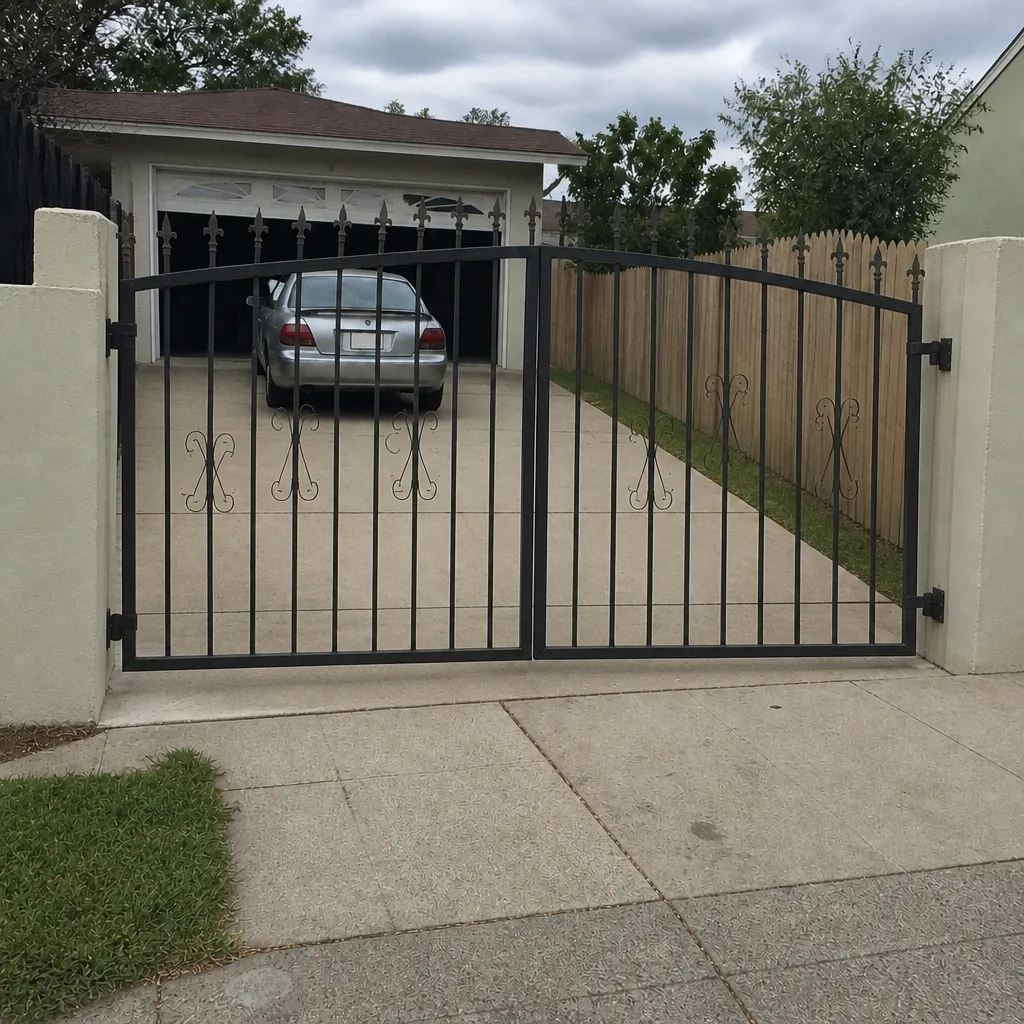
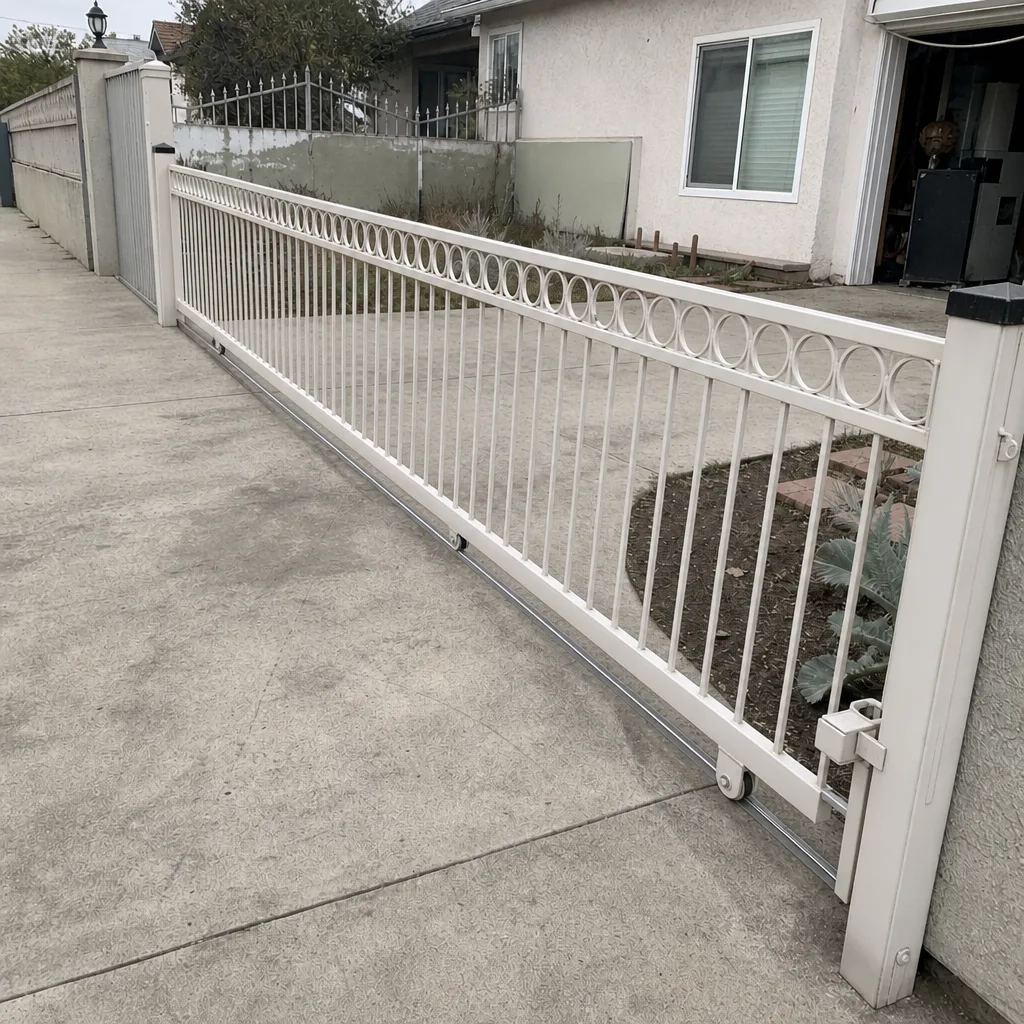 After
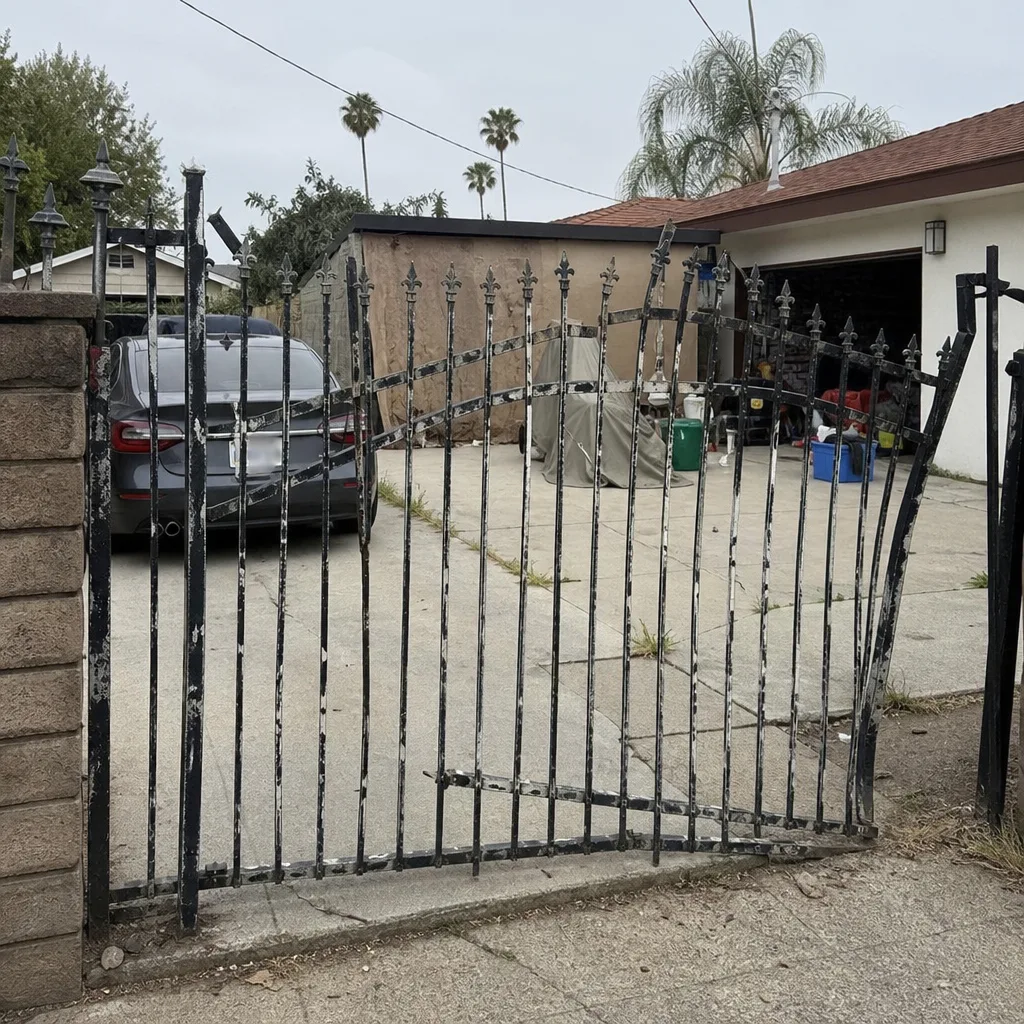 Before
 After
 Before
 After