
Last updated November 4, 2026
 Wrought iron
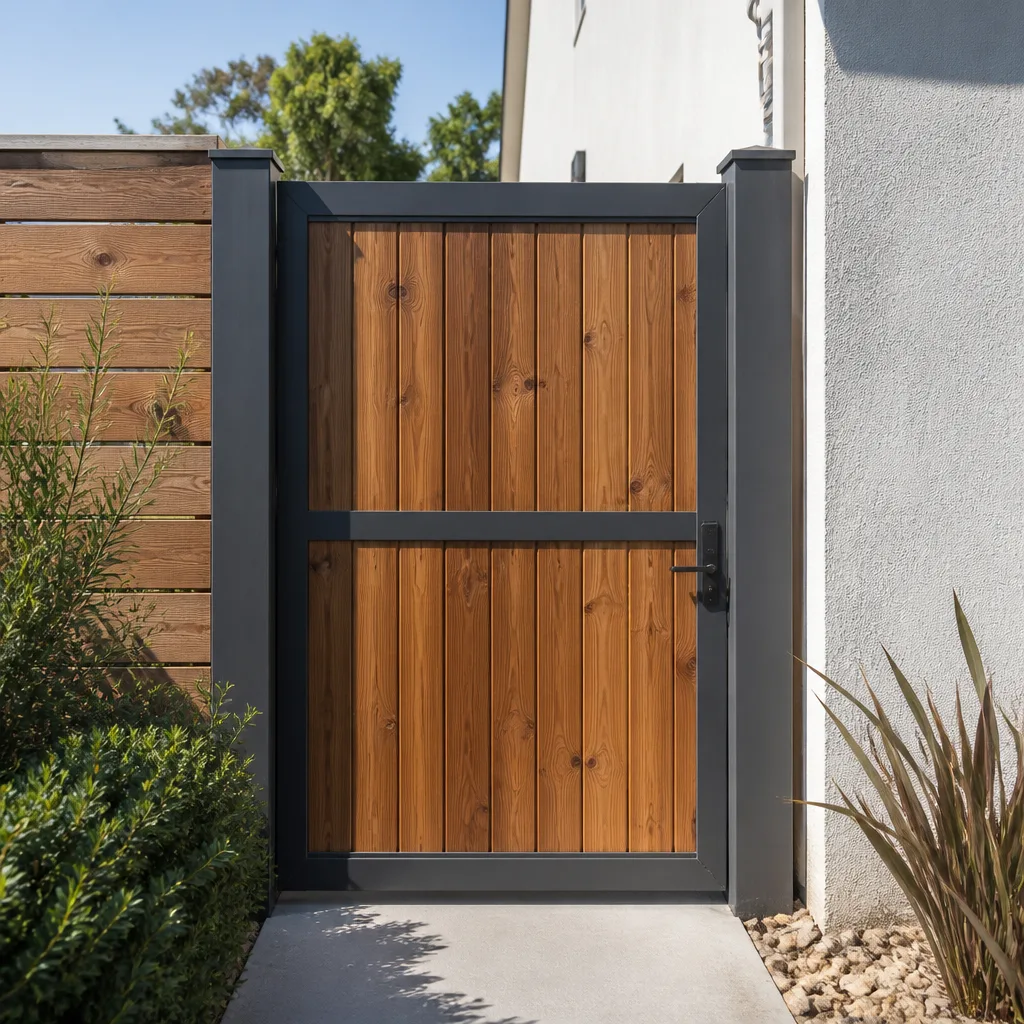 Wood & steel frame
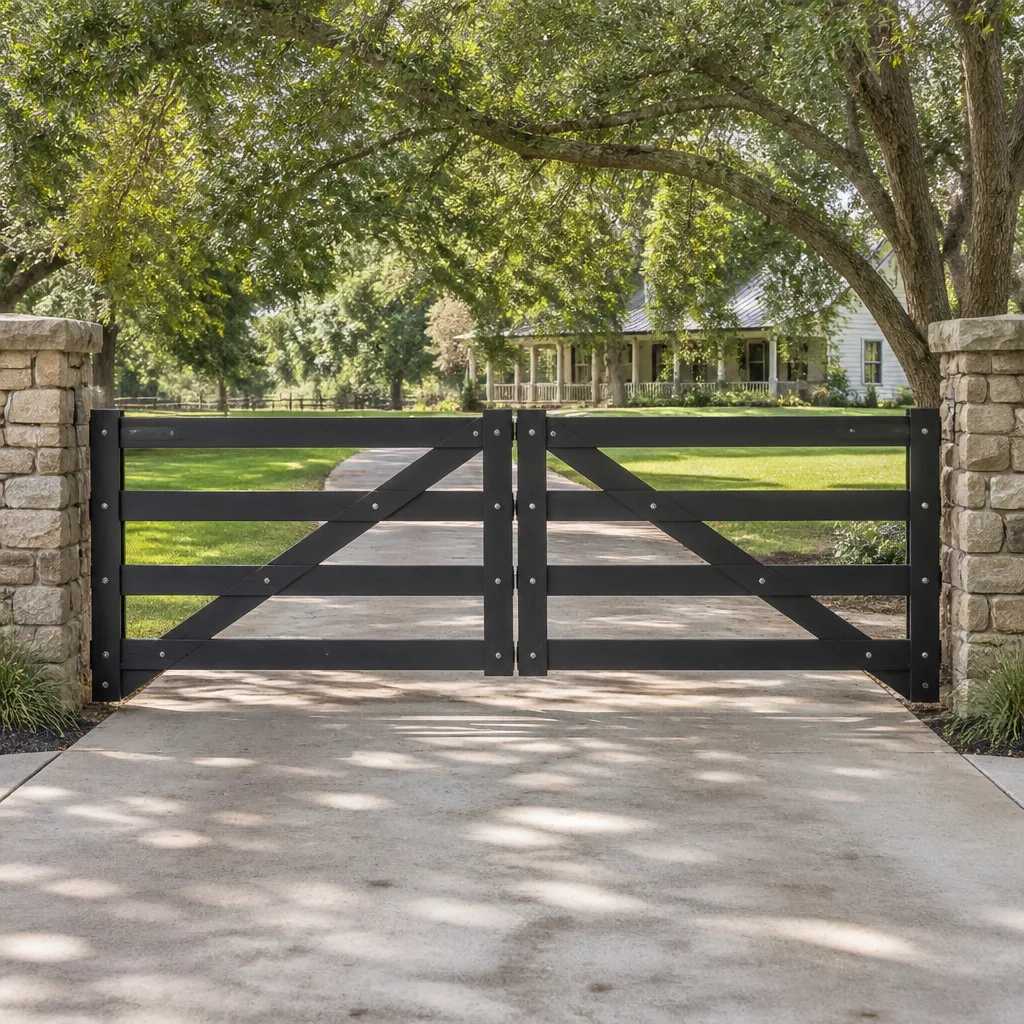 Farm & ranch
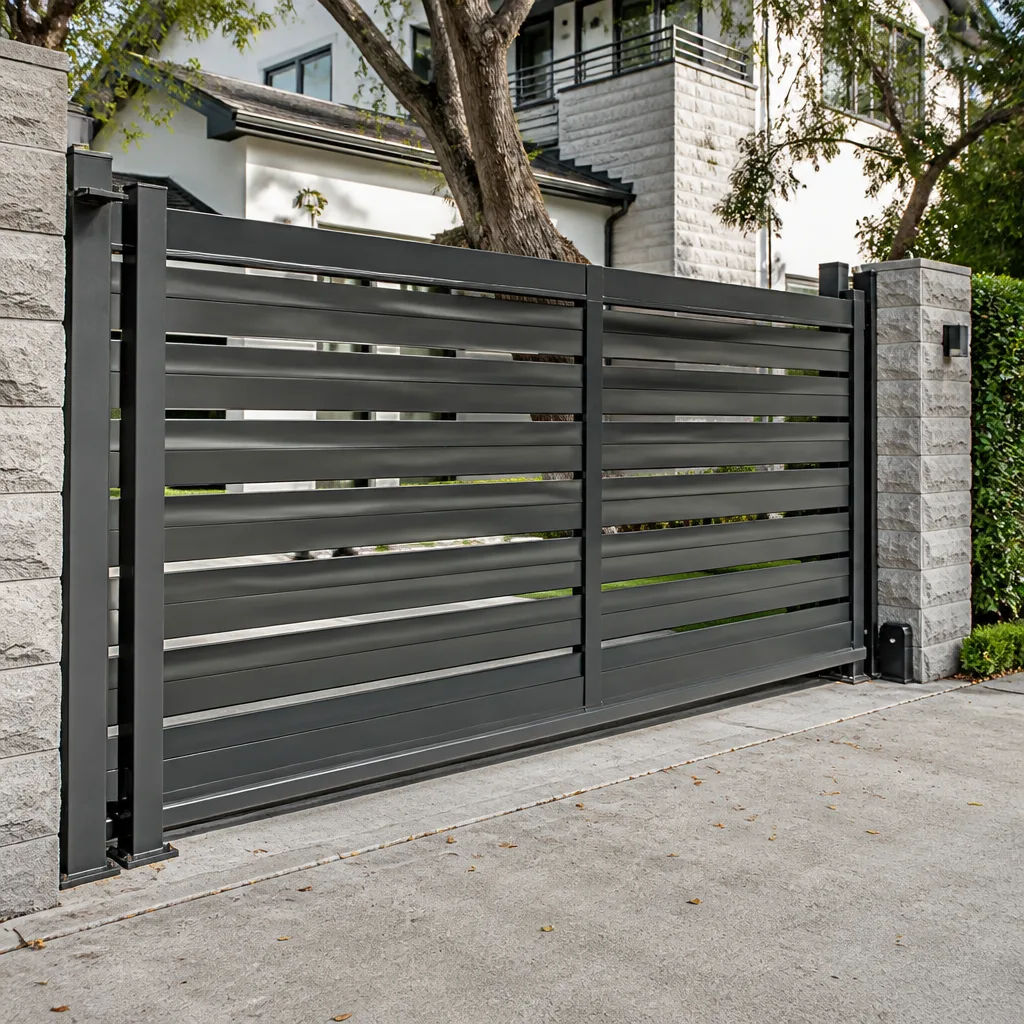 Sliding driveway gates
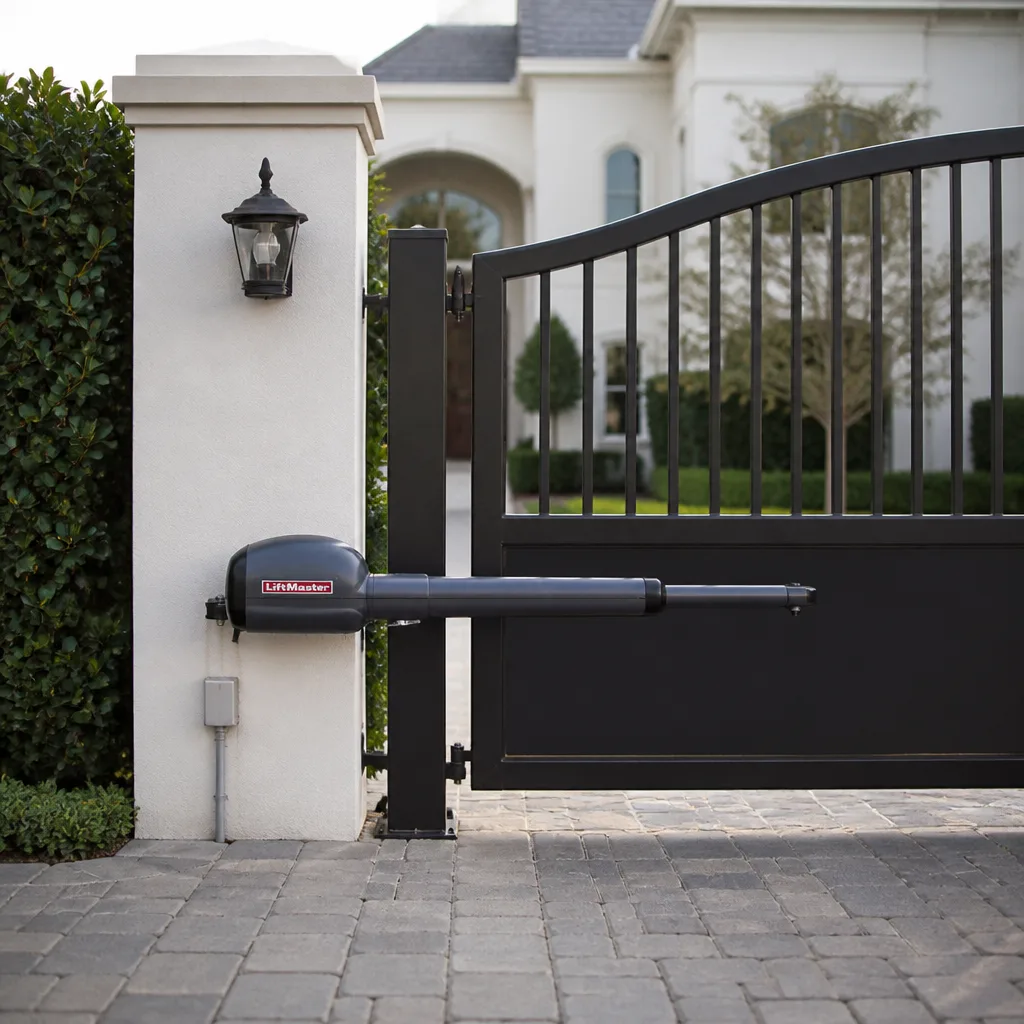 LiftMaster operators
Free on-site gate assessment - hinges, posts, and your LiftMaster or Nice gate operator checked before anything is quoted
The assessment is free and the quote is the invoice.
Get your free estimateGate Repair Maintenance Schedule: What to Do and When
The average residential gate operator lasts 10 to 15 years, but most units that come in for emergency repair are only 6 years old. The difference almost always comes down to whether anyone ever lubricated the chain drive or checked the battery backup. This guide gives Lakewood property owners a component-by-component calendar, not a generic checklist. You’ll learn which parts fail on which timelines, what actually needs lubricating in this climate, and how to spot a dying component before it strands you outside your own driveway.
Styles & brands we work with
- Wrought iron
- Wood & steel frame
- Farm & ranch
- Sliding driveway gates
- LiftMaster operators
Quick Answer
A proper gate maintenance schedule in Lakewood breaks down into three tiers: monthly sensor and obstruction checks, quarterly lubrication of specific moving parts, and an annual professional inspection that includes a battery backup load test and control board examination. Most homeowners only do the annual check, which is why operators die early. The schedule below covers manual gates, electric gates, and automated operators, with different priorities for swing gates versus slide gates.
Table of Contents
- Monthly Maintenance Checks
- Quarterly Maintenance by Gate Type
- Annual Professional Inspection: What Should Actually Happen
- Swing Gates vs. Slide Gates: Different Schedules, Different Failures
- Lubrication Products That Work in Lakewood’s Climate
- Early Warning Signs of a Failing Component
- Seasonal Maintenance Notes for Lakewood
- Common Mistakes to Avoid
- When to Call a Professional
- Frequently Asked Questions
- The Bottom Line
Monthly Maintenance Checks
Monthly checks take about ten minutes and catch the problems that turn into expensive repairs. Walk the gate through a full open and close cycle while you watch and listen. You’re looking for hesitation, grinding, or any point where the gate slows down unexpectedly. A healthy gate moves at a consistent speed from start to finish.
- Check photo eye alignment. Most automatic gates in Lakewood use photo eyes or edge sensors to prevent the gate from closing on a car or person. Dust, sprinkler overspray, and even a shifted gate post can knock them out of alignment. Wipe the lenses with a dry cloth and make sure both eyes face each other directly.
- Clear the gate track for slide gates. Slide gates roll on a track that collects dirt, leaves, and small rocks. After any wind event, walk the track and remove debris. A small pebble in the track can cause the gate to bind and eventually burn out an operator motor.
- Test the obstruction sensors. With the gate closing, wave your hand in front of the photo eye. The gate should stop and reverse. If it doesn’t, stop using it and schedule a service call. This is a safety feature, not a convenience feature.
- Inspect hinge and post bolts on swing gates. Swing gates hang their entire weight on hinges and post brackets. Check that bolts are tight and the gate hasn’t started sagging. A sagging gate puts load on the operator that it wasn’t designed to handle.
- Listen to the operator. A humming motor that doesn’t move the gate, a clicking relay, or a grinding gearbox all mean something specific. Write down what you hear and when it happens. That detail helps a technician diagnose the problem faster.
In our experience, the monthly check is the one most Lakewood homeowners skip because the gate still works. But a gate that works while it slowly damages itself is the most expensive kind of gate to own.
Quarterly Maintenance by Gate Type
Quarterly maintenance is where the real prevention happens. Every three months, set aside a half hour to lubricate, adjust, and test. What you do depends heavily on whether you have a swing gate or a slide gate.
Quarterly Tasks for Swing Gates
- Lubricate all hinge points. Swing gates pivot on three to five hinges depending on size. Each hinge has a bearing surface that wears faster when dry. Apply a dry-film or lithium-based lubricant to the hinge pin and pivot point, not a heavy grease that collects dust.
- Check the gate’s level. Over time, swing gates sag or shift. Lay a level across the top rail. If the gate is more than a half inch out of level, the hinges or post are wearing and need attention before the operator takes the load.
- Test the manual release. Every automatic swing gate should have a manual disconnect so you can open it during a power outage. Pull the release and open the gate by hand. If it’s stiff or won’t move, the gate itself has a mechanical problem the operator has been masking.
- Inspect the operator arm or piston. Look for oil seepage, torn boots, or corrosion around the attachment points. A hydraulic arm that’s leaking will lose power gradually until the gate stops moving entirely.
Quarterly Tasks for Slide Gates
- Lubricate the track wheels and guide rollers. Slide gates ride on wheels that need clean bearings. Use a spray lubricant that won’t attract grit. A dry track wheel squeals and drags, which makes the operator work harder than it should.
- Clean the track thoroughly. Don’t just clear debris. Use a stiff brush or compressed air to remove packed dirt from the track channel. In Lakewood, dry dust settles into tracks quickly, and when it rains briefly, that dust turns to a paste that binds wheels.
- Check the chain or belt tension. Chain drives stretch over time. A chain that’s too loose can hop the sprocket and jam the gate. A chain that’s too tight wears the operator’s drive gear. The chain should have no more than an inch of deflection at the midpoint.
- Inspect the end stops and limit switches. Slide gates rely on limit switches to know when to stop. If the gate slams against the end stop or stops short of full open, the limits need adjustment. This is a simple fix that prevents major damage if caught early.
Annual Professional Inspection: What Should Actually Happen
An annual inspection should be more than a visual walkthrough. A real professional inspection takes 45 minutes to an hour and covers components most homeowners never see. If a technician spends ten minutes looking at your gate and hands you a bill, you didn’t get an inspection. You got a glance.
Here’s what a proper annual inspection in Lakewood should include:
- Battery backup load test. The technician should disconnect AC power and run the gate through a full cycle on battery power alone. Most backup batteries die silently after three to five years. A battery that tests fine on voltage but can’t hold a load will fail the first time you actually need it.
- Control board examination. The control board is the brain of the system. A technician should look for bulging capacitors, burned traces, corrosion, or loose connections. Many intermittent gate failures trace back to a control board that’s beginning to fail. This is a specialty diagnostic skill. Electric gate systems require a technician who understands both the mechanical and the electronics.
- Operator gearbox and drive inspection. The technician should open the operator housing and check the gears, belts, or chains inside. Metal shavings in the housing mean the gearbox is grinding itself down. Catching this early means replacing a gear set instead of an entire operator.
- Safety device verification. Every photo eye, edge sensor, and loop detector should be tested under real-world conditions. This includes checking that the gate reverses with proper force sensitivity. Safety devices that fail silently are worse than no safety devices because you think you’re protected.
- Post and foundation check. A good technician checks the gate posts for movement. A post that’s shifted even a quarter inch changes the geometry of the entire gate and puts stress on every other component. In Lakewood’s soil, foundation checking matters because ground movement from seasonal moisture changes can affect post stability.
- Full operational cycle with documentation. The technician should run the gate through at least ten full cycles and note any variations in speed, sound, or stopping position. You should get a written summary of what was checked and what, if anything, needs attention.
When we perform an annual inspection at Waverly Gate Repair, we treat it as a diagnostic session, not a formality. The goal is to find the problem before it finds you.
Swing Gates vs. Slide Gates: Different Schedules, Different Failures
One of the biggest mistakes in gate maintenance is treating all gates the same. Swing gates and slide gates fail differently, wear differently, and need different attention. Mixing up the schedules is exactly how operators die prematurely.
Swing gates are mechanical systems first and electrical systems second. The gate’s weight sits on hinges, and the operator simply pushes or pulls. Most swing gate failures happen because the gate itself develops mechanical problems: sagging hinges, a shifting post, or a gate that’s become unlevel. The operator then has to work harder to move the gate, and it burns out. The maintenance priority for a swing gate is mechanical: hinges, posts, and gate alignment. If you keep the gate swinging freely by hand, the operator will last a long time.
Slide gates are track systems first and operator systems second. The gate rolls on wheels and is driven by a chain or belt. Most slide gate failures happen because the track or wheels develop problems, or because the chain stretches out of spec. The operator is doing the same work either way, but a dirty track or a seized wheel multiplies the load. The maintenance priority for a slide gate is the track and drive path: clean the track, lube the wheels, check the chain tension. If the gate rolls freely when you disengage the operator, the operator will last a long time.
The confusion comes when homeowners apply slide gate advice to swing gates or vice versa. A homeowner who keeps their slide gate chain perfectly tensioned but never checks their swing gate hinges is maintaining the wrong component. That’s why we always start maintenance conversations by identifying the gate type, then working through the schedule that matches it.
Lubrication Products That Work in Lakewood’s Climate
Lakewood gets hot, dry summers and mild, occasionally damp winters. That climate profile changes what you should and shouldn’t put on a gate. The wrong lubricant in this environment does more damage than no lubricant at all.
What works: Dry-film lubricants and lithium-based sprays are the right choice for most gate components in Lakewood. They lubricate without leaving a wet residue, which means they don’t attract the fine dust and grit that gets into every hinge and bearing. A lithium spray on swing gate hinges and slide gate track wheels works well. For chains, a dry chain lubricant that penetrates the links and then dries to a film is ideal.
What to avoid: Heavy greases and WD-40-style penetrating oils are trouble in Lakewood. Heavy grease attracts dust, and within a few months you have a grinding paste sitting in your hinge or bearing. Penetrating oils are too thin for long-term lubrication and actually wash away existing lubricant. They’re fine for freeing a stuck part, but they’re not a maintenance product.
Here’s a practical guide:
- Hinges and pivot points: Lithium spray grease or dry-film lubricant, applied quarterly.
- Slide gate track wheels: Dry-film lubricant or a light machine oil, applied quarterly.
- Chain drives: Dedicated chain lubricant that dries, applied quarterly.
- Operator arm or piston: Don’t lubricate these unless the manufacturer specifically calls for it. Sealed components have internal lubrication.
- Photo eye lenses: Never lubricate. Clean with a dry cloth only.
When in doubt, check the manual for your specific operator. A LiftMaster unit and a FAAC unit may have different lubrication specifications, and using the wrong product on the wrong component can void a warranty.
Early Warning Signs of a Failing Component
Most gate failures announce themselves weeks or months before they actually happen. The problem is that most people don’t know what to listen for. Here are the warning signs that a component is approaching end-of-life, and what each one typically means.
- The gate is slower than it used to be. A gradual slowdown over weeks or months usually means the operator is working against increasing resistance. The cause could be a sagging gate, a failing bearing, or a battery that’s no longer holding a charge. If the gate used to open in 15 seconds and now takes 20, something is wrong.
- The gate hesitates or stutters. A gate that starts, stops, and then continues is often showing early control board failure or a limit switch that’s starting to stick. Electrical engineers call it intermittent operation, and it’s a classic precursor to total failure.
- You hear grinding, squealing, or clicking. Grinding is usually metal-on-metal contact, often a failing gearbox or a wheel bearing. Squealing is a dry bearing or hinge. Clicking is often a relay on the control board trying to engage. Each sound points to a different fix.
- The gate doesn’t close fully or reverses for no reason. This is usually a photo eye alignment issue or a failing safety sensor. Sometimes it’s a limit switch that’s drifted. Either way, a gate that won’t close is a security risk, not just an inconvenience.
- The gate opens but won’t close, or closes but won’t open. This often points to a failed limit switch or a control board that’s lost its programming. It can also mean the operator’s capacitor is failing. A capacitor that’s going bad may have enough power to move the gate in one direction but not the other.
- Manual operation is stiff or difficult. If you disengage the operator and the gate is hard to move by hand, the problem is mechanical, not electrical. The operator has probably been masking a binding hinge or a seized wheel for months. Fixing the mechanical issue now saves the operator.
If you notice any of these signs on a gate serviced by a Ghost Controls or Mighty Mule operator, don’t wait for a full failure. These systems are fully repairable when caught early, but a catastrophic mechanical failure can damage the operator beyond reasonable repair.
Seasonal Maintenance Notes for Lakewood
Lakewood doesn’t have harsh winters, but the seasons still affect gate systems. The mild winters mean you won’t deal with freeze-thaw cycles or ice, which is one less thing to worry about than homeowners in colder climates face. But the dry summers and occasional winter rains create their own maintenance rhythm.
Late spring and early summer: This is when dust becomes the main enemy. Dry conditions mean more airborne dust, and that dust settles into hinges, tracks, and bearings. Your quarterly lubrication matters more in these months than any other. After any significant wind event, check the slide gate track for accumulated debris.
Late fall and early winter: The occasional rain changes the equation. Dust that’s been sitting in the track or on the hinges turns to a gritty paste when wet. A thorough cleaning before the rainy season prevents that paste from forming. Check that all electrical connections and the control box are sealed against moisture. Outdoor control boxes should have intact gaskets, and any conduit openings should be sealed.
Year-round: The battery backup in your operator ages regardless of weather. Most backup batteries last three to five years in Lakewood’s climate. If your operator is older than that and you’ve never had the battery tested, schedule a load test as part of your annual inspection. A backup battery that fails silently means your gate is dead the moment the power goes out, and you’ll be the one crawling out to manually release it in the dark.
One note specific to this area: many Lakewood homes have gate systems that were installed when the house was built, often 10 to 20 years ago. Older operators, especially early-generation models from brands like Elite and DoorKing, may not have the same safety features as current models. If your operator is original to the house, the annual inspection is not optional. It’s the difference between catching a worn part and replacing an obsolete system.
Common Mistakes to Avoid
- Skipping lubrication because the gate still works. Lubrication is preventive, not corrective. By the time a hinge squeals or a wheel grinds, the wear has already happened. Dry bearings wear faster, and replacing a bearing costs more than lubricating it would have.
- Using the wrong lubricant. Heavy grease attracts dust and sand, especially in Lakewood’s dry climate. Within months, that grease becomes an abrasive paste that accelerates wear. Stick with dry-film or lithium-based products designed for the purpose.
- Treating swing gates and slide gates the same. A swing gate’s critical components are hinges and posts. A slide gate’s critical components are the track and wheels. Maintaining the wrong component set is a waste of time and leaves the actual failure points unaddressed.
- Ignoring a slowing gate. A gate that’s getting slower is telling you something. The longer you wait, the more damage the underlying problem does. A slowing gate that costs $150 to fix today could cost $1,500 to fix in six months.
- Testing the battery backup by turning off the power and seeing if the gate opens once. A failing battery can often produce one cycle. A proper load test runs the gate through multiple cycles on battery power alone and checks voltage under load. One successful open does not mean the battery is healthy.
- Assuming a “professional inspection” means anything. Many companies in the gate industry offer inspections that are really just a visual glance and a bill. A real inspection takes time and includes specific tests: battery load, board examination, safety device verification, and a written summary.
- Neglecting the manual release mechanism. The manual release exists for a reason. If you’ve never used it, you don’t know if it works. Test it quarterly because the first time you really need it, you’ll be standing outside a closed gate.
When to Call a Professional
Some gate problems are homeowner-maintainable. Others are not. You should call a professional when the issue involves electrical components, control boards, operator internals, or safety devices. Attempting to diagnose a control board or adjust a limit switch without proper training usually makes the problem worse and creates a safety hazard. Heavy gate panels can crush, slide gates can come off the track, and the operator’s wiring carries real power. A gate is not a DIY project when it involves the electronics or the operator’s drive mechanism. Gate repair is skilled work, and the specific skill of electric gate repair involves understanding both mechanical and electronic systems. Waverly Gate Repair offers free estimates in Lakewood. Call (866) 925-0168 if you’re seeing any of the warning signs above. We answer 24/7. Fast dispatch from 7am to 7pm, Sunday through Friday.
Frequently Asked Questions
Once a year is the standard. An annual professional inspection that includes a battery backup load test, control board examination, and safety device verification catches problems before they cause failures. If your gate is older or commercial, twice a year may be warranted. Call (866) 925-0168 to schedule an inspection.
Skipped lubrication and ignored mechanical problems. The operator has to work harder when hinges sag, wheels seize, or chains stretch, and that extra load kills the motor. A gate that is mechanically sound will let its operator last much longer than average.
Monthly checks and quarterly lubrication are homeowner tasks. Cleaning photo eyes, clearing the track, applying the correct lubricant to accessible points, and testing the manual release are all safe to do yourself. Anything involving wiring, the control board, or the operator’s internals should be left to a professional.
Three to five years, on average. The dry heat of Lakewood summers can shorten that lifespan. A battery that’s older than three years should be load tested annually, not just checked for voltage. A load test tells you if the battery can actually run the gate when power fails.
Yes. Grinding is metal-on-metal contact, usually a failing gearbox, a wheel bearing, or a hinge that’s worn through its lubricant. The gate will keep working until the component fails completely, and then you’ll have a bigger repair. Get it checked before that happens.
We service all major gate and operator brands, including LiftMaster, FAAC, BFT, Linear, Viking, Ghost Controls, DoorKing, Elite, and Mighty Mule. If you have a different brand, call us anyway. We work on what you already have, and we’ll tell you honestly whether it makes sense to repair or replace. Call (866) 925-0168 for a free estimate.
The Bottom Line
Gate maintenance in Lakewood is not a once-a-year checkbox. It’s a tiered schedule: monthly for sensors and alignment, quarterly for lubrication, annually for a real professional inspection. Different gate types need different priorities, and using the right lubrication products in this climate matters more than most people realize. The payoff is an operator that reaches its full lifespan instead of dying six years early. If you’re not sure where your gate stands, start with an inspection. You’ll learn what your specific system needs, and you’ll stop guessing.
Written by the team at Waverly Gate Repair, serving Lakewood since 2013.
See the difference
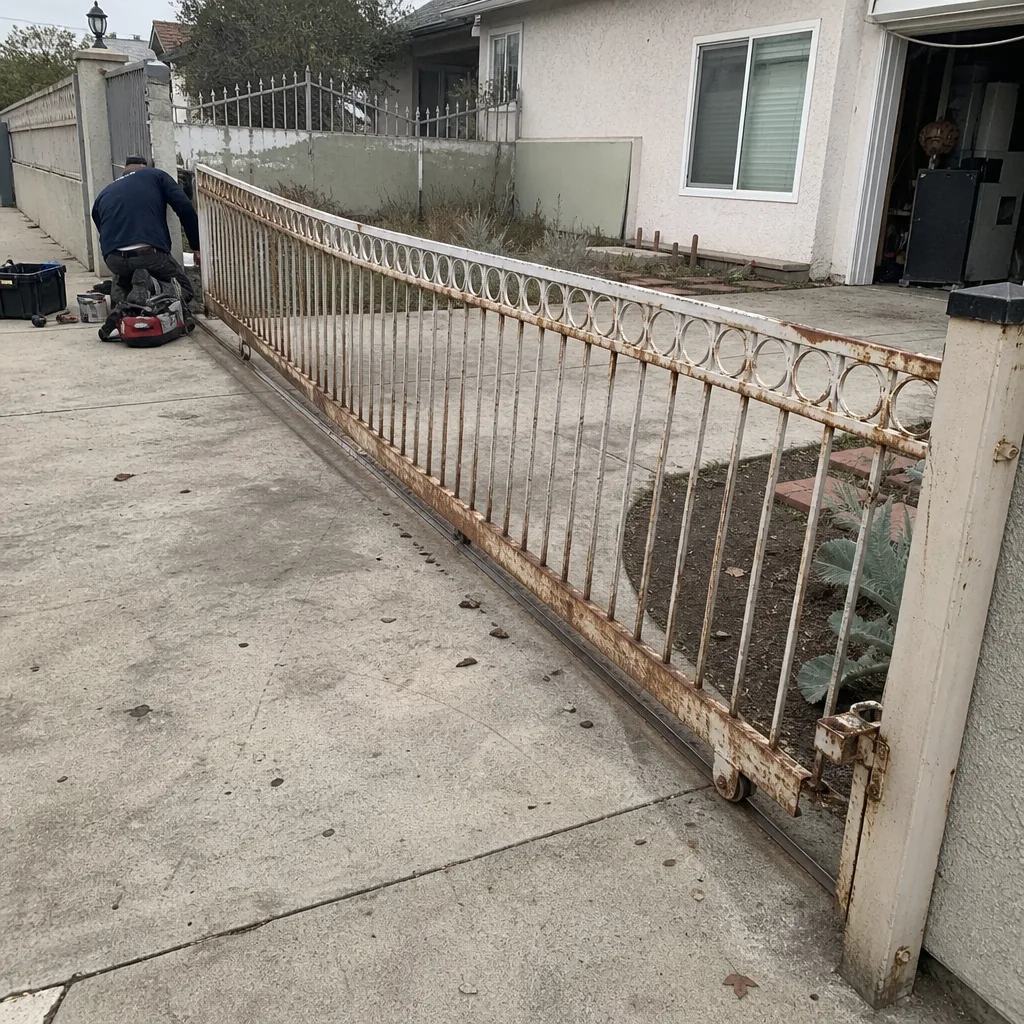 Before
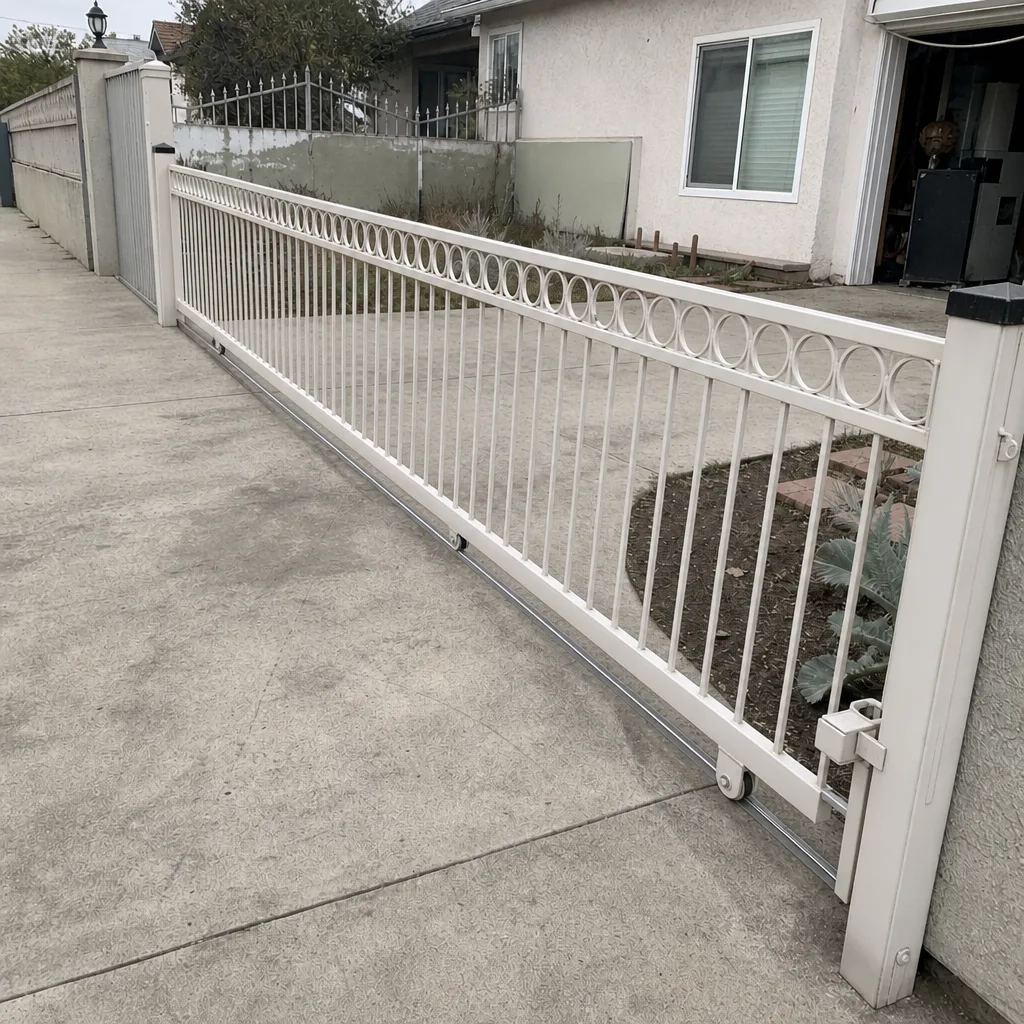 After
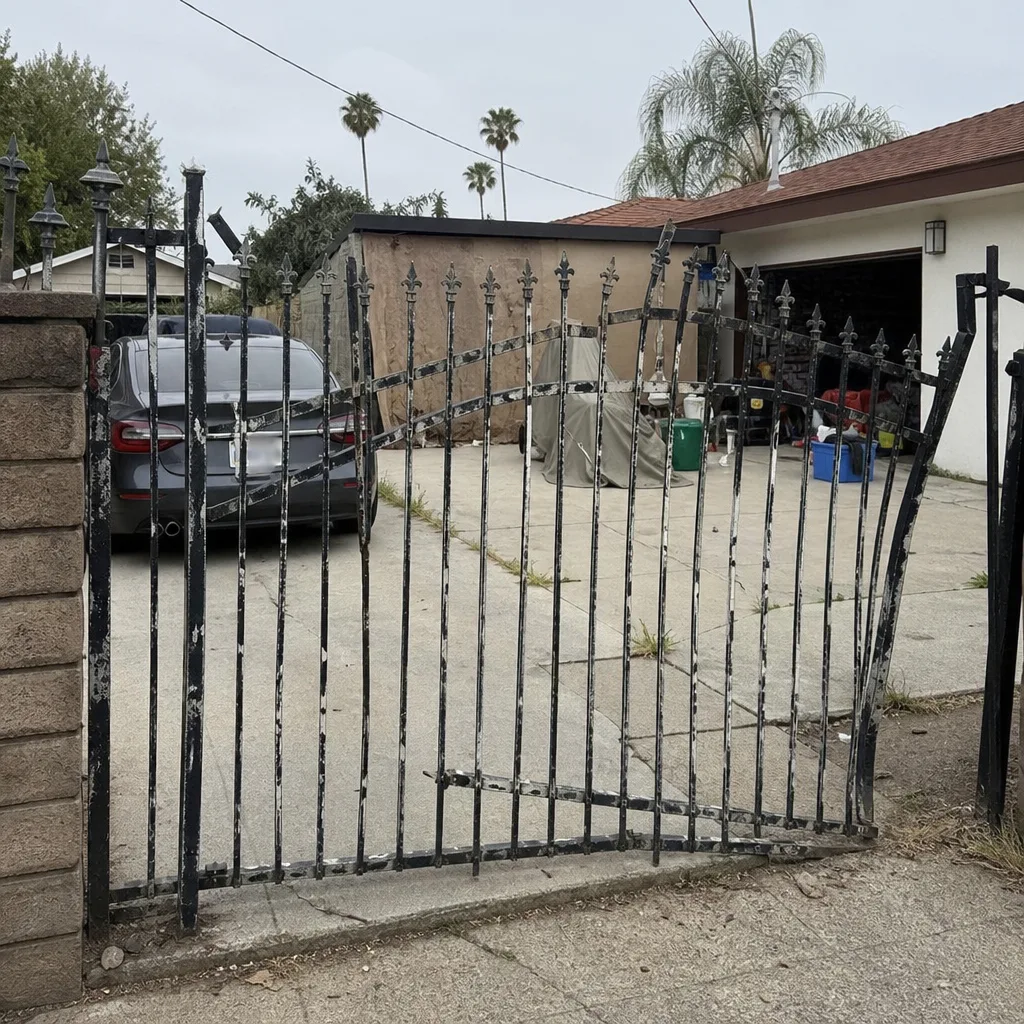 Before
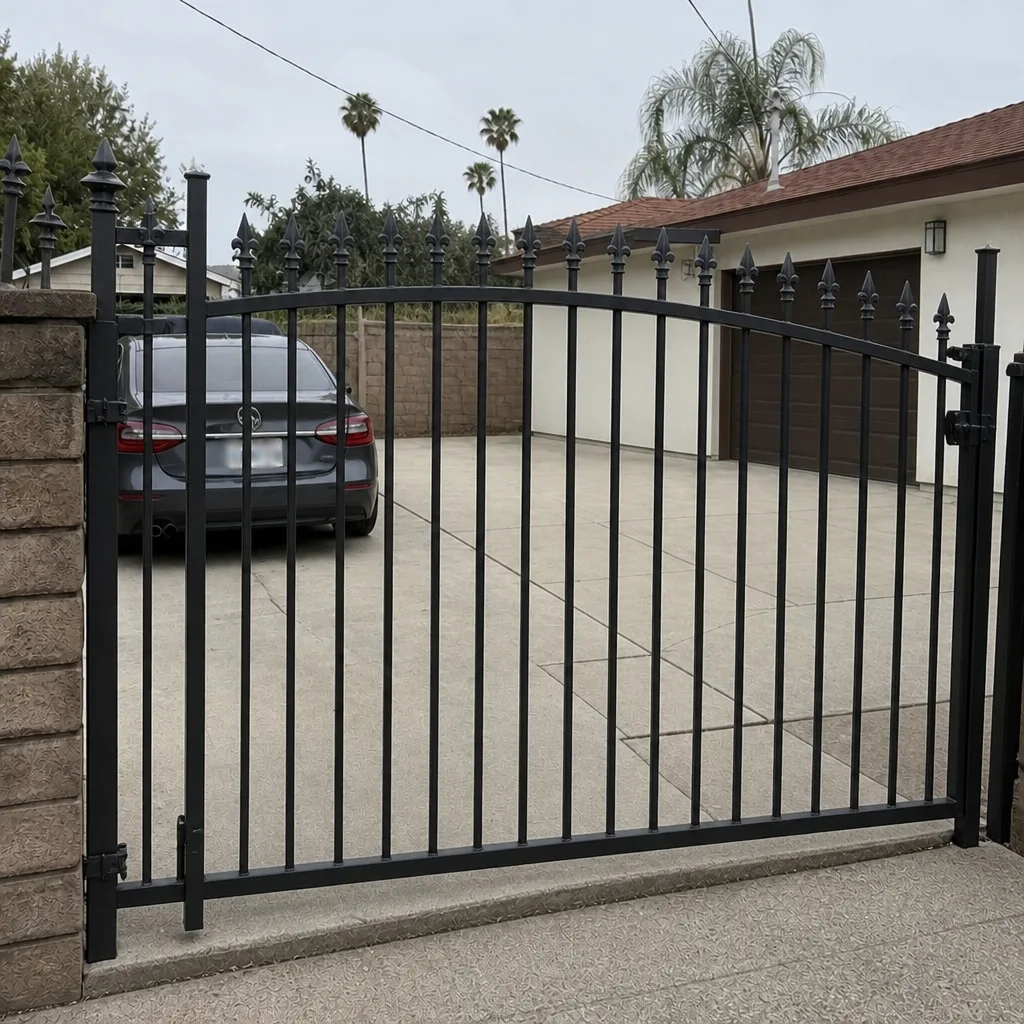 After
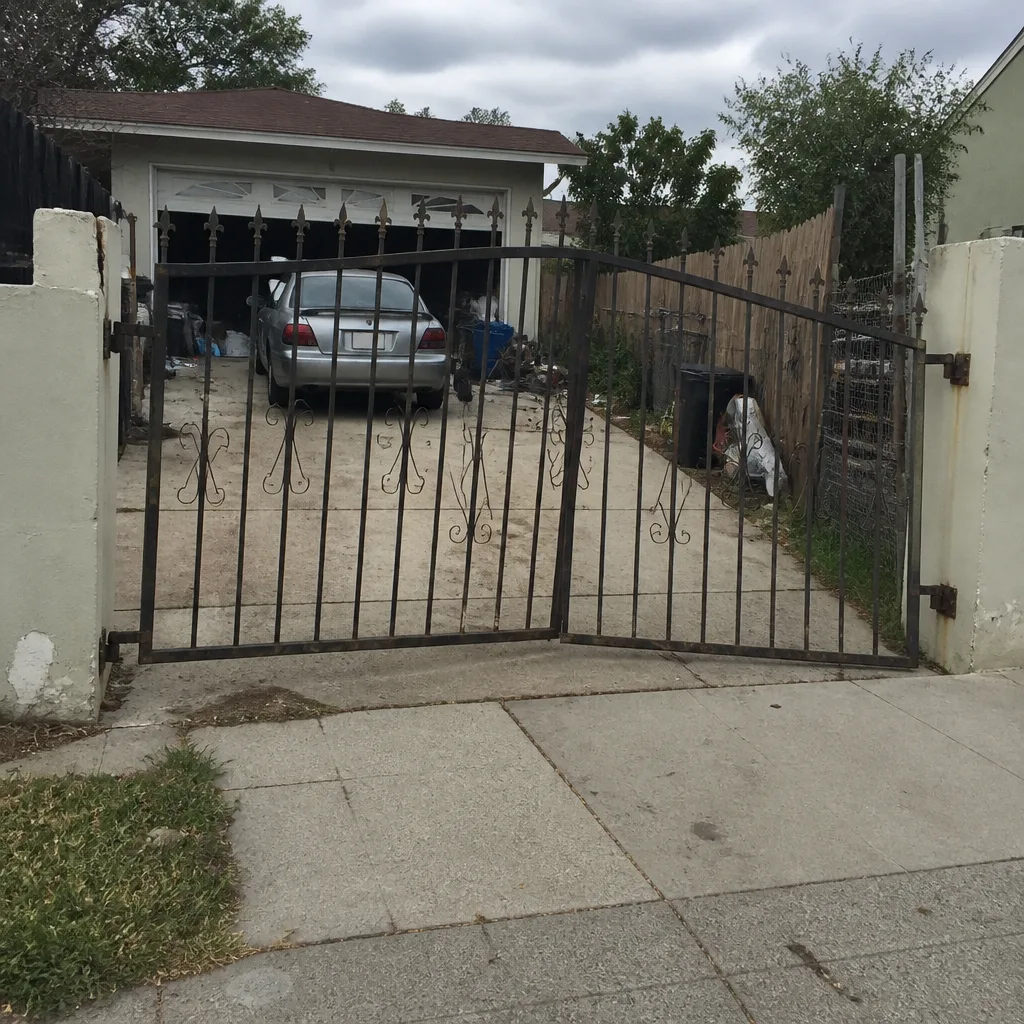 Before
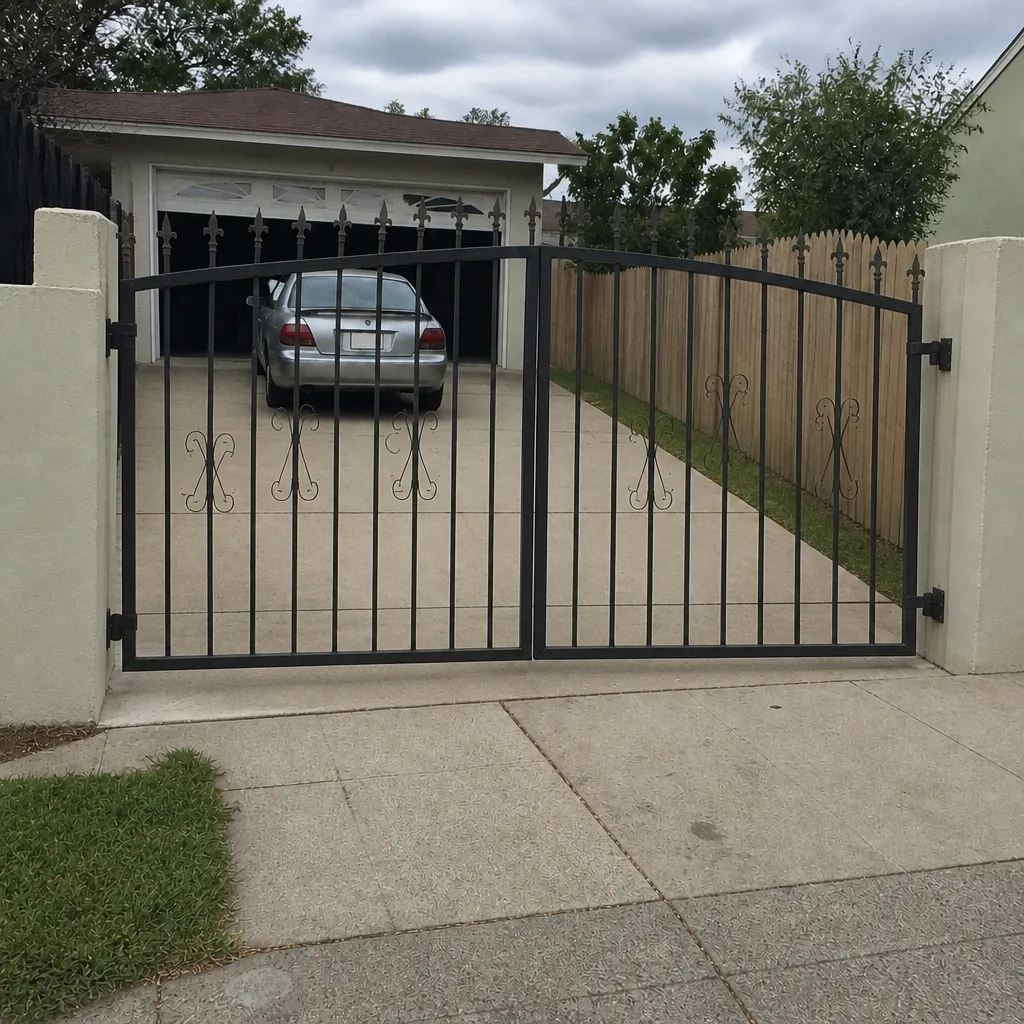 After